





They Quit Too Soon—Then Their Bands Became Famous
via stoneyripley / Youtube
In the unpredictable world of rock and roll, timing can be everything—and for some musicians, it can be the difference between obscurity and immortality. Long before platinum records and sold-out arenas, many of the most iconic bands in classic rock history were still fragile, evolving entities. Lineups shifted, ambitions clashed, and not every founding member shared the same vision or commitment.
For a handful of early contributors, the decision to walk away came just before their bands ascended to global recognition. These musicians weren’t lacking in skill or promise; rather, they found themselves out of sync with the direction, demands, or discipline required to push forward. What remains are stories that read like alternate timelines—glimpses of what might have been had they stayed the course.
A Matter of Endurance: John Rutsey and Rush
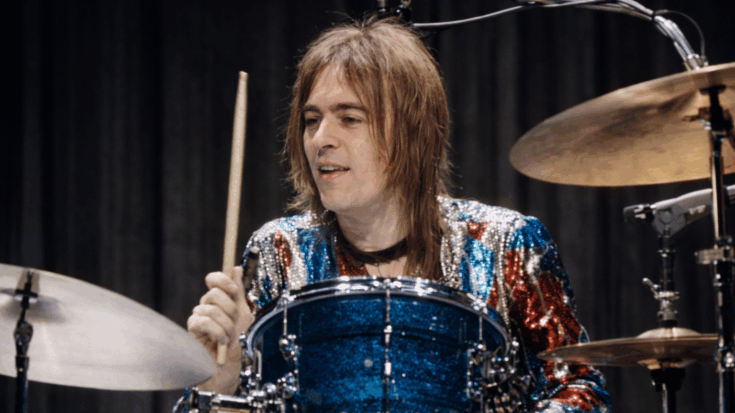
Before Rush became a defining force in progressive rock, it was simply a Toronto-based outfit finding its footing. Drummer John Rutsey was there at the beginning, helping shape the band’s early sound and performing on its 1974 self-titled debut.
Yet just as the machinery of success began to turn, Rutsey stepped away. The physical demands of touring—compounded by his struggle with type 1 diabetes—proved too great. There was also a widening stylistic gap: Rutsey’s straightforward approach to drumming contrasted with the band’s increasing embrace of technical complexity and progressive experimentation.
His departure cleared the way for the classic lineup that would define Rush’s legacy, but it also underscores a recurring truth in rock history: evolution often comes at the cost of those who helped start the journey.

Ideology and Identity: Keith Levene and the Clash
In 1976, The Clash emerged from the fertile chaos of London’s punk scene, fueled by urgency, attitude, and political conviction. Guitarist Keith Levene was instrumental in its formation, even persuading Joe Strummer to abandon his previous band and join the cause.
But as the Clash’s identity sharpened into something more overtly political, Levene found himself increasingly disconnected. He contributed to early gigs and co-wrote material, including “What’s My Name,” yet his enthusiasm for the band’s ideological direction waned.
By the time their debut album arrived in 1977, Levene was already gone. His subsequent work with Public Image Ltd. explored more experimental territory, but never achieved the same cultural reach. His exit illustrates how creative differences—particularly in a genre as charged as punk—can fracture even the most promising collaborations.

The Academic Detour: Bob Klose and Pink Floyd
The origins of Pink Floyd were anything but certain. In 1965, the group cycled through names and styles while searching for a musical identity. Among its early members was guitarist Bob Klose, a technically accomplished player whose abilities impressed his peers.
As Roger Waters later reflected:
“He was really a far better musician than any of the rest of us.”
Despite this, Klose chose a different path. Academic responsibilities and intellectual pursuits pulled him away from the band just as it began to coalesce around Syd Barrett’s psychedelic vision. “I think he had some exam problems and really felt that he had to apply himself to work, whereas the rest of us were not that conscientious,” Waters explained.
Klose’s decision highlights a less romantic but deeply human aspect of rock history: not everyone is willing—or able—to gamble everything on an uncertain future in music. In stepping away, he traded potential stardom for stability, leaving behind a band that would soon redefine the boundaries of rock.

Pressure and Perspective: Anthony Phillips and Genesis
In its earliest incarnation, Genesis was far removed from the polished pop success it would later achieve. It was an ambitious progressive outfit, with guitarist Anthony Phillips playing a central creative role. He contributed extensively to the band’s first two albums, helping establish its intricate, melodic foundation.
But the road proved unforgiving. Touring pressures, combined with the uncertainty of commercial success, began to take a toll. Reflecting on his departure, Phillips later wrote:
“When the band went on the road things began to go wrong and I think I realized at that point that this just wasn’t the life for me.”
He added:
“I just found that the pressure of the whole thing got to me after a while as we had all these gigs where agents were coming along and I thought ‘I’m not sure I can deal with this.’”
Phillips’ exit nearly derailed Genesis entirely, but the band regrouped and eventually flourished. His story serves as a reminder that the demands of a music career—especially in its uncertain early stages—can be as overwhelming as they are exhilarating.

Timing and Fit: Tony Chapman and the Rolling Stones
Few bands embody longevity and cultural impact like The Rolling Stones. Yet even they experienced early growing pains. Drummer Tony Chapman was part of the band’s formative period, playing on some of its first recordings and possibly its earliest live performances.
By 1963, however, Chapman had moved on. The reasons were practical as much as artistic: the band’s trajectory didn’t align with his personal and professional priorities, and maintaining a steady career outside music took precedence.
His departure made way for Charlie Watts, whose steady, jazz-influenced drumming became a cornerstone of the Stones’ sound for decades. In hindsight, Chapman’s exit feels like a pivotal turning point—one of many quiet decisions that helped shape the course of rock history.
The Road Not Taken
These stories share a common thread: proximity to greatness without participation in it. Each musician stood at the threshold of something monumental, only to step away for reasons that were, at the time, entirely reasonable.
Regret may linger in some cases, but these departures also underscore the complex realities behind the mythology of rock stardom. Success demands not just talent, but endurance, alignment, and often a willingness to embrace uncertainty.
For every band that becomes legendary, some figures helped lay the groundwork but chose—or were forced—to leave before the payoff. Their stories remain an essential part of rock’s history, reminding us that the path to greatness is rarely as straightforward as it appears in retrospect.