




Stevie Nicks Says One Tour Restored Her Confidence
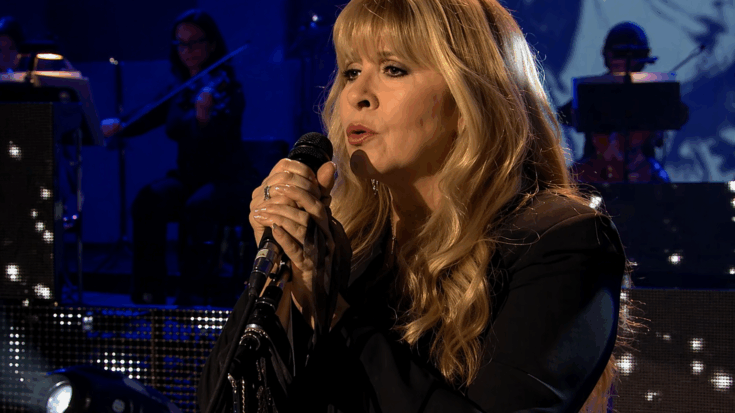
via "Stevie Nicks" / Youtube
For many artists, stepping away from performing and recording can stem from burnout, industry pressure, or shifting personal priorities. But in the case of Stevie Nicks, such a retreat has always carried a sense of intrigue. As one of rock’s most enduring figures, her absence from the spotlight was never likely to be permanent—only a matter of timing.
Nicks’ rise to prominence came through Fleetwood Mac, a group as famous for its internal drama as it was for its musical output. Yet despite the turbulence, her tenure proved transformative. Before joining the band, she and Lindsey Buckingham had struggled to break through commercially with Buckingham Nicks. This album garnered industry attention—most notably from Mick Fleetwood—but failed to resonate widely with audiences.
Her addition to Fleetwood Mac marked a turning point. The band shifted away from its blues-rock origins toward a more polished, radio-friendly sound that connected with a global audience. The result was a string of landmark releases in the mid-1970s that would define both the band’s legacy and Nicks’ role within it.
Leaving at the Height of Success
Despite the band’s commercial peak, Nicks chose to part ways with Fleetwood Mac in 1990 following Behind the Mask. Shortly thereafter, Christine McVie also exited, underscoring a period of instability fueled by years of interpersonal strain. For Nicks, however, the move aligned with a solo career that had already gained significant momentum.
Still, her output as a solo artist became increasingly sporadic over time. Although she rejoined Fleetwood Mac in 1997, the band itself was no longer as prolific in the studio. By the early 2000s, following the release of Trouble in Shangri-La, Nicks had largely stepped away from recording, leaving a noticeable gap in her discography.
The Comeback Spark
It wasn’t until the early 2010s that Nicks’ creative drive fully reignited—and, by her own account, it was the result of rediscovered confidence. In a 2011 interview with Clash, she reflected on the uncertainty that followed Fleetwood Mac’s Say You Will tour in 2005.
“When we came off the road from Fleetwood Mac’s Say You Will tour in 2005, I was going to make a record but I was told not to bother by the powers that be,” she explained. “Everybody was depressed by the downturn in the music industry and I was not the fighter I usually am. I just believed what they said, that no-one would want to hear a Stevie Nicks album and went with it.”
That mindset shifted dramatically after the band’s 2009 Unleashed tour. “I got my confidence back and decided I was going to hit the ground running the second I got home and start an album,” she continued. “I needed to do it for my soul as I’ve always made a record every couple of years.”
Her eventual return with “In Your Dreams” in 2011 was more than a comeback—it was a reaffirmation. At a time when many legacy artists struggled to remain relevant, Nicks demonstrated that renewed purpose and audience demand could still intersect. Rather than fading quietly, she reasserted her voice, proving that even after a prolonged silence, an artist of her stature could still command attention on her own terms.