




Richie Faulkner Responds To Rush Comeback Critics
via "YeOldeRock" / Youtube
In a recent appearance on the Metal Forever Music Defenders Of Metal podcast, Richie Faulkner addressed criticism from fans of Rush regarding the group’s potential return with drummer Anika Nilles. The discussion reflects a broader debate within rock circles: can legacy acts continue authentically without their original members?
Faulkner framed the issue in practical terms, pointing to both artistic freedom and audience choice. “I think as long as the guys wanna do it, they should do it,” he said. “If people don’t wanna go, then don’t go. And people kind of vote with their ticket, don’t they? If Rush got up there and you’ve got 20,000 people in an auditorium and the guys wanna do it, do it.”
The Audience Decides
Central to Faulkner’s argument is the idea that fan support ultimately determines the legitimacy of any comeback. Rather than gatekeeping from the outside, he suggested that ticket sales serve as the most honest barometer of public interest.
“But if Rush turned up and there was five people there, they’ve got an issue,” he continued. “Maybe people don’t wanna see it. I can name other bands as well. If the guys wanna do it and people are showing up in the thousands to see it, then why not do it? If people don’t wanna go, then don’t. Simple as that. That’s what I’d say.”
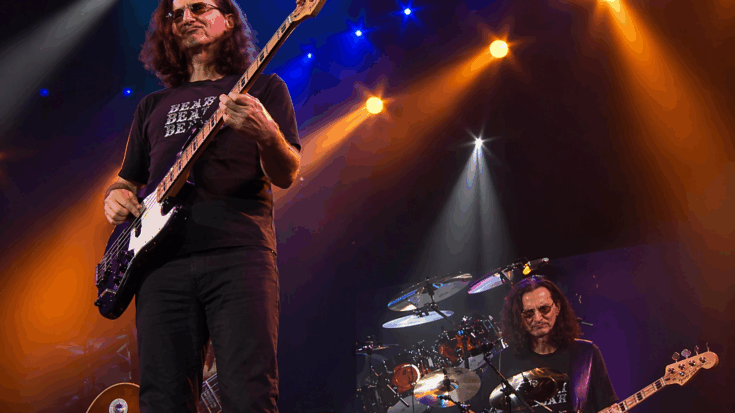
His comments arrive at a time when Rush are cautiously re-emerging following the death of longtime drummer Neil Peart in 2020. The band recently returned to the stage at Canada’s Juno Awards, marking their first live performance in nearly a decade.
A New Chapter for Rush
The reconfigured lineup—featuring Anika Nilles alongside founding members Alex Lifeson and Geddy Lee—did not come together without hesitation. Early doubts about chemistry reportedly surfaced during rehearsals, though these concerns eased as the trio developed a working dynamic.
Their planned tour adds further resonance to the comeback narrative, with the opening date set at the Kia Forum—the same venue that hosted the band’s final performance with Peart in 2015.
For Faulkner, whose own entry into Judas Priest in 2011 followed the departure of K.K. Downing, the situation is familiar. His perspective remains grounded: legacy may shape expectations, but it is the intersection of artist intent and audience demand that ultimately determines whether the music continues to live on.