The Guitar Behind Journey’s Biggest Hit Just Sold for a Fortune
via journey / Youtube
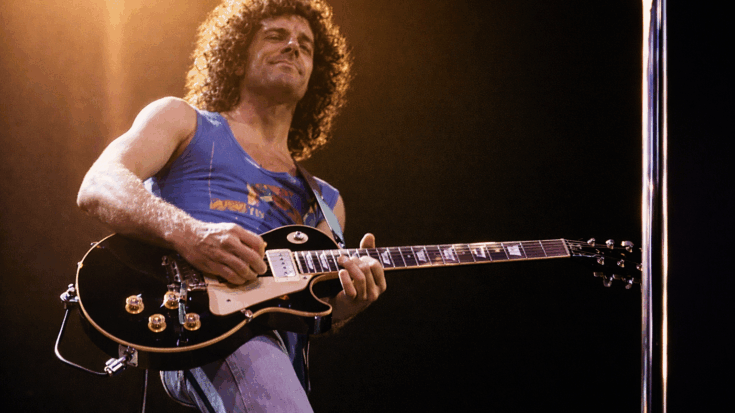
A defining artifact from one of rock’s most enduring songs has once again commanded a premium at auction. The 1977 Gibson Les Paul Pro Deluxe used by Neal Schon during the recording of Journey’s “Don’t Stop Believin’” sold for $254,000 on March 12 at the Jim Irsay Collection auction, narrowly surpassing its previous $250,000 sale in 2021.
The instrument’s value extends far beyond its price tag. It represents a tangible link to a song that has transcended generations—an anthem that continues to find new life across radio, film, and streaming platforms. For collectors, it is not merely a guitar; it is a symbol of a cultural moment that refuses to fade.
A Modified Classic with Unique Character
Schon has long suggested that this particular Les Paul may have been the first of its kind fitted with a double-locking Floyd Rose vibrato system—an innovation that would later become a staple in rock and metal guitar design. The guitar itself features a mahogany body with a maple top in a sleek black finish, complemented by a maple neck and a bound ebony fingerboard adorned with faux-pearl inlays.
Electronically, it houses two double-coil pickups, enhanced by Fernandes Sustainer circuitry, giving it a distinctive tonal edge. Beyond its technical specifications, the guitar bears unmistakable personal touches: a Ferrari sticker on the back, Schon’s autograph on the rear of the headstock, and a custom white flight case stenciled with “JOURNEY / NIGHTMARE INC. / SAN FRANCISCO U.S.A.”
The winning bidder also acquired a collection of accompanying memorabilia, including a tremolo bar, a strap, and a July 1982 issue of Guitar Player magazine featuring Schon alongside the very instrument—further cementing its provenance.
Breaking the Rules of a Hit Song
Reflecting on the creation of “Don’t Stop Believin’,” Schon emphasized just how unconventional the track was for its time. In a 2022 interview with Guitar World, he explained:
“For the first time, you’re hearing a chorus on the outro, which was completely against all rules of nature in that time period – and now – if you’re going to try to get a song on the radio. The saying was, ‘Don’t bore me. Get to the chorus.’”
He continued:
“In this case, the chorus didn’t happen until the end of the song. Actually, I had a short guitar solo before the chorus; so the obvious thing for me to do was to play the melody of ‘Don’t Stop Believin’’ – the melody people are going to hear right after I play it.”
Schon also recalled the moment vocalist Steve Perry questioned the decision: “What? You’re going to play the melody that I’m going to sing?” Schon replied, “Why not? It’s a good one.” As the final mix came together, Schon’s instincts proved prophetic:
“I think this song is going to be massive.”
More Than an Auction—A Testament to Enduring Legacy
While the Jim Irsay Collection auction drew headlines for its staggering figures—including multi-million-dollar sales of other iconic instruments—the true story lies in what these items represent. The sale of Schon’s Les Paul is less about market value and more about the lasting emotional and cultural weight of classic rock.
Decades after its release, “Don’t Stop Believin’” continues to resonate, its unconventional structure now part of what makes it timeless rather than risky. The guitar that helped shape its sound stands as a reminder that some of rock’s greatest moments come not from following the rules, but from quietly rewriting them.