




The Movies That Defined 1980s Culture

via Sky / Youtube
In the 1980s, movies were special. They didn’t just keep people entertained for two hours—they lingered in memory. VHS tapes and video rental stores made films a regular part of everyday life. People watched them repeatedly, rewatched them, and created lasting memories with them. These movies not only shaped the childhoods of the 1980s but also influenced how viewers saw the world.
In their own unique ways, these 13 movies left a lasting mark on pop culture during the 1980s.
1. Red Dawn (1984)
The threat of the Cold War in the early 1980s felt very real, and Red Dawn turned that fear into a gripping, dramatic story. It may seem strange now to imagine foreign troops invading small-town America, but at the time, it captured national anxiety. Watching teenagers take up arms to protect their community was thrilling, even if the premise was implausible.
The film wasn’t just about politics; it also reflected how people in the 1980s thought about loyalty, strength, and patriotism. It launched the careers of actors who would soon become major stars. Red Dawn captures the mood of its era, whether viewers liked it or not.

2. The Night of the Comet (1984)
Night of the Comet is a movie that could only have been made in the 1980s. Blending science fiction, horror, comedy, and retail culture, it’s a surprisingly fun experience. After a comet wipes out most of Earth’s population, two teenage sisters roam an empty Los Angeles, fighting zombies and enjoying the strange freedom of a deserted world.
What makes the film memorable is its attitude. The girls are smart, resourceful, and funny—they aren’t helpless stereotypes. The movie combines laser guns, shoulder pads, neon, and humor while quietly subverting traditional gender tropes.

3. Friday the 13th (1980)
The 1980s were a golden era for horror, and Friday the 13th helped define the slasher genre. Teenagers alone, making poor decisions, and facing dire consequences became a template audiences couldn’t resist.
The movie fascinated viewers because it scared them and kept them guessing. It launched a massive franchise and set a standard for future horror films. Even people who dislike horror understand the cultural significance of this film.

4. The Breakfast Club (1985)
The Breakfast Club is one of the rare films that truly understands teenagers. Instead of focusing on action or romance, it confines five very different high school students to a room and lets them talk.
As the layers peel away, stereotypes collapse. The athlete faces family pressures, the popular girl feels unseen, and the “weird” kid is smarter than anyone realizes. The film resonated because it treated teens with respect and reminded adults of the isolation and complexity of adolescence.

5. E.T. the Extra-Terrestrial (1982)
Few films had the cultural impact of E.T. Beyond the marketing frenzy—games, toys, lunchboxes—there was a deeply moving story. A lonely child befriends an alien, learning compassion, loyalty, and resilience. The film assumed that kids could handle big emotions and reminded adults of the same. That’s why it remains timeless.

6. Working Girl (1988)
The 1980s were obsessed with money, ambition, and success, and Working Girl captured all of it in one witty, smart film. The story follows a woman trying to advance in business after a superior steals her ideas.
The movie tackles real workplace challenges, particularly for women seeking respect. It also includes humor, romance, and hope, while brilliantly showcasing the fashion and style of the era—big hair, oversized blazers, and even bigger confidence.

7. They Live (1988)
At first glance, They Live seems like a straightforward sci-fi action movie, but it’s also a sharp critique of materialism and blind obedience. Its message—that advertisements mask hard truths—was bold in the 1980s and feels even more relevant today.
The film became a cult classic due to its gritty style, memorable lines, and clear social commentary. It proves that even low-budget movies can make meaningful statements while still entertaining audiences.

8. Wall Street (1987)
Wall Street epitomized the 1980s obsession with ambition and excess. The film made stock trading thrilling while turning greed into the central theme.
The main character symbolized moral compromise and the dangers of unbridled ambition. The film didn’t just capture the spirit of the decade—it served as a warning. Even today, discussions of money, power, and ethics reference its lessons.

9. Cruising (1980)
Some of the most controversial films of the decade made this list, and Cruising is one of them. It explored violence and nightlife in the underground scene, unsettling audiences unaccustomed to such content.
While parts of the film haven’t aged well, it remains a snapshot of a time when Hollywood experimented with darker, edgier narratives. It reflects the world on the brink of significant social change.

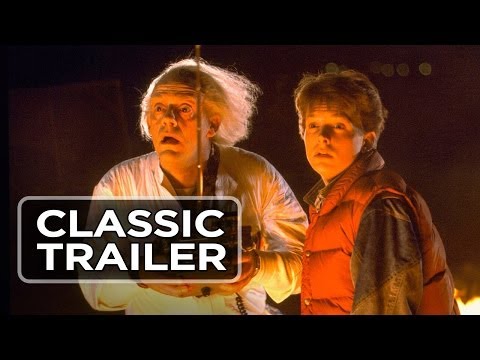
10. Back to the Future (1985)
Some movies are thought-provoking, and others are pure fun. Back to the Future falls into the latter category. It’s packed with time travel, fast cars, and a charming protagonist.
Beloved by children, teens, and adults alike, the film demonstrates that original ideas can capture audiences even outside established franchises.
11. Dirty Dancing (1987)
Dirty Dancing was a quintessential summer film, blending love, music, and rebellion. Though set in a nostalgic 1950s, it explored freedom, social inequality, and personal growth.
Its dance sequences became iconic, and the central romance gave the story depth and emotional resonance. The film was as much about empowerment as it was about love.

12. RoboCop (1987)
While RoboCop might seem like a standard sci-fi action film, it tackled issues of policing, corporate power, technology, and identity. The combination of dark humor and brutal action made it both entertaining and thought-provoking. Its relevance endures because the themes remain significant.

13. When Harry Met Sally (1989)
When Harry Met Sally redefined the romantic comedy genre, closing the decade on an optimistic note. It focused on companionship, timing, and honesty, rather than fairy-tale romance.
The film showed that relationships are complicated but worthwhile. Its influence on romantic comedies is lasting, with many of its techniques now standard in the genre.

Why These Movies Matter
These 13 films tell the story of the 1980s. They capture the decade’s hopes, fears, dreams, and excesses. They also demonstrate how movies became more than entertainment—they became an integral part of society. People continue to reference, remake, and celebrate these films. Their enduring power is no accident: the movies of the 1980s are still very much alive today.