





10 Classic Rock Songs That Haven’t Aged Well
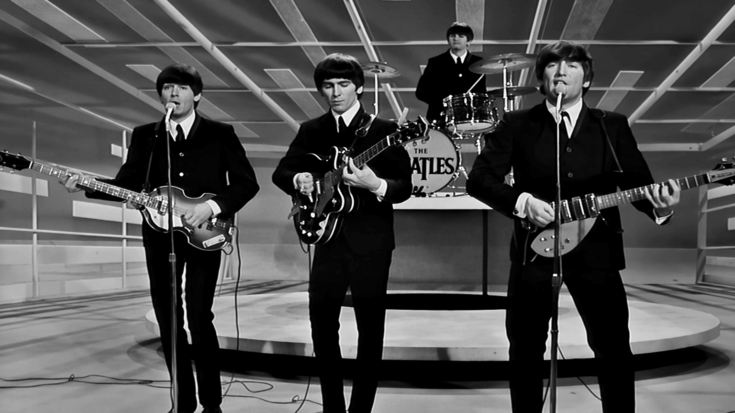
via "The Beatles" / Youtube
There has always been a rebellious side to rock music. It pushes boundaries, questions authority, and sometimes makes people uncomfortable. For years, detractors—especially anxious parents—have argued that rock & roll is hazardous or corrupting. Many of those anxieties were exaggerated, but there have been times when certain songs didn’t help rock’s case. Some tracks, particularly those by major acts like The Rolling Stones or Guns N’ Roses, feature themes and lyrics that feel troubling today.
It’s now evident that not all great rock songs have stood the test of time. Some are deeply misogynistic, portraying women as objects or reinforcing toxic power dynamics. These issues span decades, from the peace-and-love era of the 1960s to the flashy excess of 1980s hair metal.
And it’s not just about the portrayal of women. Some songs also mock people based on class or social status, making them just as uncomfortable today as the more overtly sexist ones. While censorship has sometimes gone too far, it’s hard to imagine many of these songs being released in the same way today. People want music to reflect real emotions, but when those emotions are expressed like this, modern listeners often raise an eyebrow.
Here are some legendary rock songs that haven’t quite stood the test of time:
10. “No One Else” by Weezer
Rock music began moving in a more progressive direction in the late 1990s. Thanks in part to movements like riot grrrl and artists speaking out against violence toward women, conversations about gender, respect, and equality became more prominent. Still, some songs from that era slipped through with problematic themes.
A clear example is Weezer’s “No One Else.” Positioned early on their debut album, the song features a narrator who wants complete control over his partner. He describes keeping her at home, limiting her freedom, and even dictating how she should dress. Rather than evoking sympathy, the tone feels possessive and domineering. In hindsight, the song reflects a mindset that feels uncomfortable, especially in light of later discussions surrounding frontman Rivers Cuomo.

9. “Black Licorice” by Grand Funk Railroad
Sometimes, the issue with older songs lies in their context. Language and attitudes that were once commonplace can sound offensive decades later. Even so, some tracks go beyond simply reflecting “different times.”
“Black Licorice” attempts to celebrate attraction but relies heavily on stereotypes. The band expresses admiration for Black women in ways that feel exaggerated and insensitive, stacking cliché upon cliché. Descriptions of appearance and personality don’t come across as flattering but instead feel objectifying. Given the state of civil rights in the United States at the time, the lyrics land even more awkwardly today.

8. “Wrong Way” by Sublime
“Wrong Way” ventures into darker territory. The song tells the story of a young girl forced into prostitution, but its handling of the subject is deeply uncomfortable. The narrator admits involvement and attempts to justify it, while also implying the girl’s trauma began at an early age.
As the song progresses, the narrator adopts a lecturing tone, telling her how to live her life, which only adds to the discomfort. While Sublime is often praised for its laid-back sound, this track feels particularly out of place by modern standards.

7. “Misery Business” by Paramore
Sexism in rock isn’t limited to male perspectives; it can also appear in songs performed by women.
“Misery Business” is a sharp-edged breakup anthem. Hayley Williams sings about losing a romantic interest to another woman, but the lyrics quickly shift from heartbreak to hostility. The other woman is insulted, while the narrator positions herself as the “winner.” Although the chorus celebrates reclaiming the relationship, it also highlights its unhealthy dynamics. Williams later acknowledged the song’s issues and temporarily removed it from live performances.

6. “You Can’t Do That” by The Beatles
The Beatles are often regarded as one of the greatest rock bands of all time, yet not all of their songs have aged gracefully. Written by John Lennon, “You Can’t Do That” reveals a jealous and controlling perspective.
The narrator becomes upset simply because his partner speaks to another man. His jealousy escalates into threats and demands, pressuring her to behave a certain way. In retrospect, the song portrays a relationship built on control rather than trust.

5. “A Man Needs a Maid” by Neil Young
“A Man Needs a Maid” takes a more subdued approach but remains problematic. The song’s soft piano and orchestration create a reflective mood, yet its message suggests a man needs a woman to manage his daily life.
While seeking help isn’t inherently wrong, the framing implies that a woman’s role is to fix a man’s problems. The contrast between the grand arrangement and the outdated sentiment makes the message stand out even more.

4. “Hey Joe” by Jimi Hendrix
Violence has long been a theme in rock, often inherited from blues traditions. One of the most famous examples is Jimi Hendrix’s “Hey Joe.”
The song follows a man who believes his partner has cheated on him and decides to kill her. As the narrative unfolds, Joe commits the act and flees, with little reflection or consequence. While some interpret it as a broader metaphor tied to the Vietnam War era, the storyline itself remains unsettling.

3. “It’s So Easy” by Guns N’ Roses
“It’s So Easy” captures the chaotic lifestyle of Guns N’ Roses in their early years—defined by excess, partying, and recklessness.
Within that environment, women are treated as disposable. One of the most uncomfortable moments comes when Axl Rose demands that a woman pay for his drinks, followed by a blunt and dismissive request for sex. The song’s tone—abrasive, self-centered, and unapologetic—fit the band’s image at the time but feels jarring today.

2. “Every Breath You Take” by The Police
“Every Breath You Take” is often misunderstood. Its smooth sound leads many to interpret it as a love song, but its lyrics tell a different story.
The song describes constant surveillance—every move, every step, every breath. What initially seems romantic quickly reveals itself as obsessive and controlling. The narrator cannot let go, even after the relationship ends. Despite its popularity at weddings and celebrations, its meaning is far from tender.

1. “Under My Thumb” by The Rolling Stones
“Under My Thumb” stands out for its overt celebration of dominance in a relationship. Mick Jagger sings about having complete control over a woman, portraying her as submissive and obedient.
Unlike some other songs on this list, there’s little sense of irony or self-awareness. The tone is confident, even smug, as though the dynamic is something to admire. While The Rolling Stones were known for pushing boundaries, this track reflects attitudes that now feel outdated.

Rock music has evolved significantly over time. What once seemed edgy or provocative can now come across as offensive or tone-deaf. That doesn’t mean these songs should be erased, but they do benefit from more critical listening.
As society changes, so do interpretations of music. These songs serve as reminders of where things once stood—and how far they still have to go.