




Why Prince’s Legendary Super Bowl Performance Still Reigns in 2026
A strange thing keeps happening in 2026: an artist who is no longer here suddenly feels present again. Streams surge, clips spread fast, and debates ignite across every platform. Prince is once more at the center of attention, not because of a new tour or interview, but because of decisions being made in his absence—and the music still waiting to be heard.
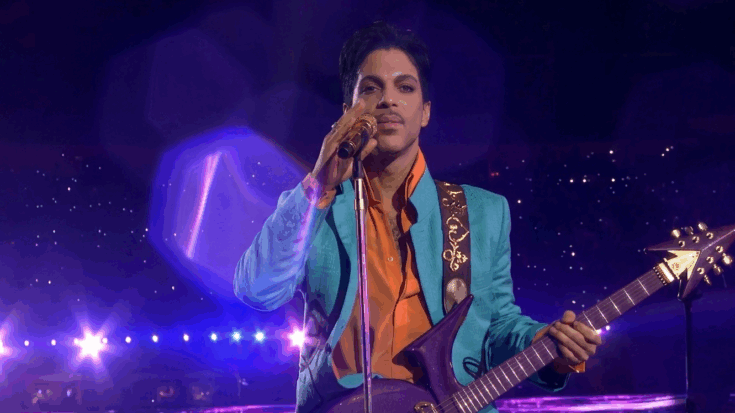
His name now circles through timelines in waves. One week it’s a leaked studio fragment. The next, a business update tied to his catalog. Then younger artists bring him up in interviews, pulling him into current conversations. That cycle feels familiar, especially to those who remember his legendary rain-soaked halftime performance at Super Bowl XLI—a moment that still goes viral today and keeps introducing him to new audiences.
The Vault That Won’t Stay Quiet
Behind the scenes, the most talked-about subject is the massive archive he left behind. For years, stories described a hidden collection packed with recordings, rehearsals, and unfinished ideas. Since his passing in 2016, bits and pieces have surfaced, including expanded albums and rare sessions. Each release triggers the same question: how much should be shared, and how would he have handled it himself?
Recent industry talk suggests a shift in strategy. Instead of scattered drops, there may be carefully grouped releases built around specific periods of his career. Plans reportedly include live recordings from Paisley Park and polished versions of material fans have only heard through bootlegs. These choices matter deeply because they shape how future listeners understand him.
Control, Ownership, and Ongoing Debate
The business side, while less glamorous, drives everything. Ownership changes, licensing agreements, and restructuring within the estate all influence what becomes public. Fans follow these moves closely, knowing that whoever controls the catalog decides its presentation, from sound quality to visual packaging.
At the same time, cultural influence keeps growing. Modern performers cite him when discussing independence, identity, and genre freedom. His approach—writing, producing, and playing across styles—feels aligned with today’s creative mindset. That connection keeps him relevant beyond classic playlists.
Live Energy Without the Artist
Even without new concerts, his stage presence remains part of the conversation. Tribute shows and official events attempt to recreate not just the songs, but the unpredictability he brought to every performance. Setlists often include staples like Purple Rain and 1999, yet the real challenge is capturing the constant reinvention he was known for.
Fans often recall how physical his performances were—constant motion, sharp musical shifts, and spontaneous decisions. That same energy defined moments like his Super Bowl appearance, where he turned harsh weather into part of the show itself, refusing to hold back.
A Legacy Still Being Defined
Online communities add another layer. Discussions range from rumored track lists to debates over technology, including strong resistance to holograms or artificial recreations. Many believe preservation should focus on authenticity rather than simulation.
For new listeners, all of this shapes the first impression. Will they discover the full, fearless artist, or a simplified version built for convenience? The answer depends on choices happening right now, making 2026 feel less like a look back—and more like an unfinished story still being written.