



Hawkwind’s Dave Brock Denies BBC Documentary Claim That Band Stole Paul McCartney’s Bass Guitar
When a TV Mystery Pulled an Unlikely Band Into the Spotlight
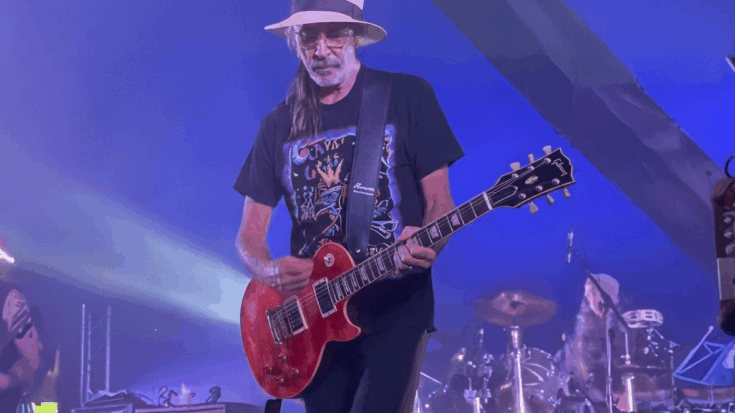
A BBC documentary meant to trace the disappearance of Paul McCartney’s missing bass guitar has sparked backlash from an unexpected corner of the music world. Dave Brock, founder of Hawkwind, says the program unfairly dragged his band into a story they had nothing to do with, reacting strongly after seeing the broadcast. “I was pissed off,” he said, arguing the production misrepresented the group’s history.
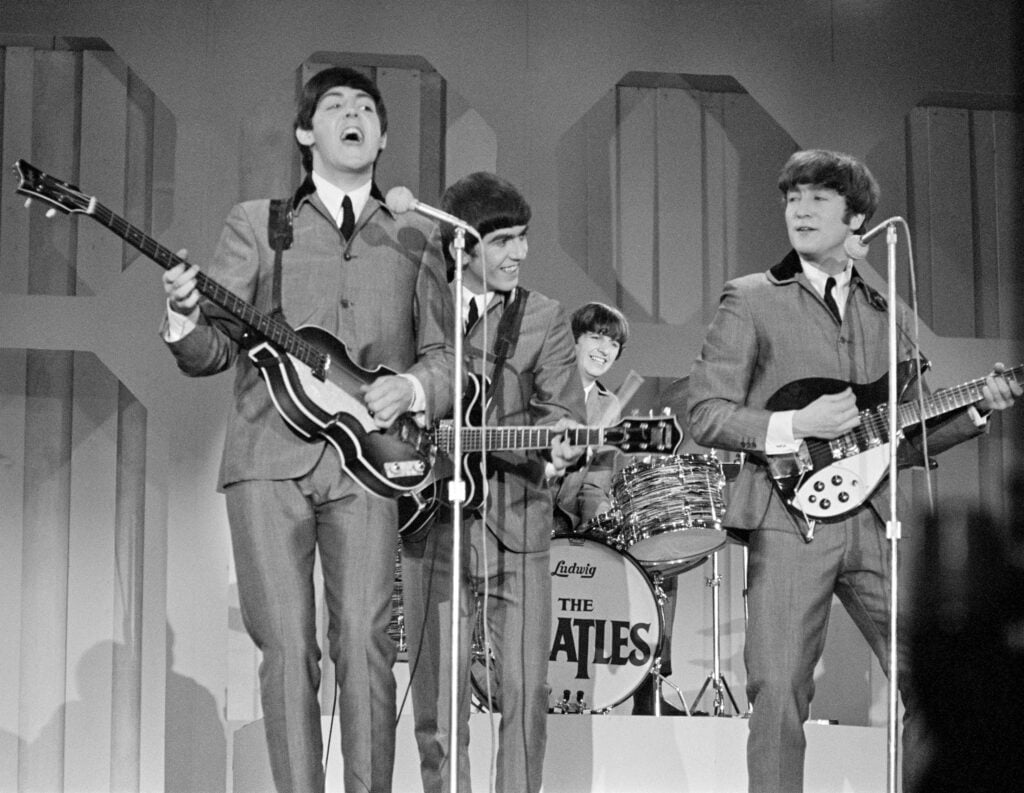
The film, Paul McCartney: The Hunt For The Lost Bass, aired on BBC Two on April 11 and focused on McCartney’s Höfner 500/1 violin bass. The instrument was purchased in Hamburg in 1961 during the Beatles’ early residency and used on landmark recordings like Please Please Me and With The Beatles. It was later replaced in 1963, though McCartney kept the original for years.
A stolen instrument and a long trail through London
The bass resurfaced in the story’s most dramatic chapter in 1972, when it disappeared during Wings’ early recording sessions for Red Rose Speedway. The instrument, along with other equipment, was taken from a van parked overnight in the Ladbroke Grove area of west London while the band worked at Basing Street Studios.
That neighborhood, described in the film as a mix of squatters, working-class families, and musicians, becomes central to the documentary’s theory-building. Among the residents was Michael “DikMik” Davies, Hawkwind’s electronics experimenter and former road crew member, whose flat was near the parked van. The film suggests suspicion from Wings roadie Ian Horne, who recalled local chatter and later claimed he believed people in that circle may have been involved, though he offered no solid proof.
Brock rejects what he calls invented connections
Dave Brock says the program blindsided him. He had expected a general focus on counterculture London but not direct references to Hawkwind. “I didn’t realise we were going to be in it,” he explained, adding that the implication felt careless and unsupported.
He also challenged the idea that Hawkwind had any motive or opportunity. The band was touring heavily in 1972 and may not even have been in London at the time. Brock also disputed a dramatic scene in which individuals allegedly forced entry into DikMik’s flat. “That sounds to me like a tall story,” he said, noting no one in their circle ever reported such an incident to the band or management.
Documentary claims and disputed characterizations
The film’s investigators, journalists Scott and Naomi Jones, suggested Hawkwind members were “famously anti-Beatles” and even hinted at anti-Beatles songs influencing motives. Brock dismissed this completely, pointing out that members were Beatles fans and even Lemmy admired them. He also rejected claims that previous gear thefts might have inspired retaliation.
View this post on Instagram
Friction over storytelling choices
Further frustration came from the filmmakers’ decision to interview guitarist Paul Rudolph in Canada, who joined Hawkwind later in 1975 and had no knowledge of the events in question. Brock questioned why production avoided speaking directly with the band if they were easily reachable.
By the end of the documentary, McCartney’s bass is ultimately recovered and Hawkwind is no longer implicated. Still, Brock argues the damage was unnecessary. “It could have been a short story,” he said, adding that the final version felt inflated for drama rather than accuracy.
He ended with a sharp warning about how the portrayal affected both reputation and memory of those involved, especially DikMik, stating his anger remained after watching what he believed was an unfair and careless retelling centered on McCartney’s lost bass guitar.