



The Artist Who Admitted Eagles Was Too Much
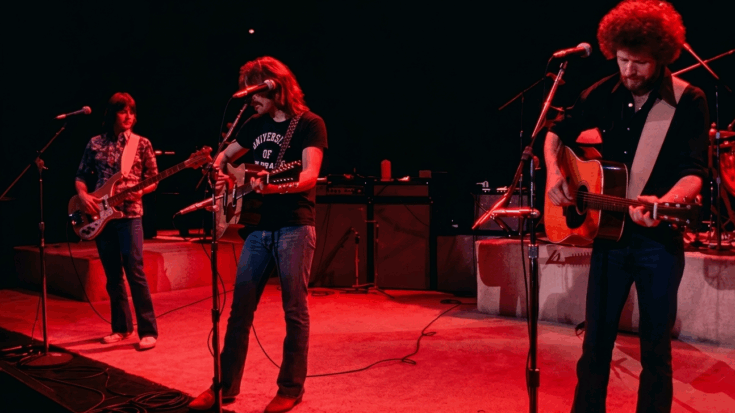
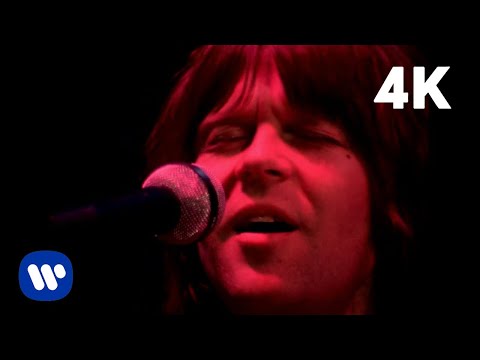
via "Eagles" / Youtube
Membership in the Eagles has never been taken lightly. From the outset, Glenn Frey and Don Henley steered the band with a firm hand, guiding every creative and professional decision. By the time the group moved beyond Hotel California, the internal culture had shifted—touring and recording were no longer just artistic pursuits but structured operations that required discipline and an understanding of hierarchy.
New members entering the fold were expected to adapt quickly, recognizing that the Eagles functioned as a tightly controlled unit. The role demanded more than talent; it required restraint, awareness, and a willingness to prioritize the collective over individual identity.
Filling Big Shoes Without Overplaying Them
That expectation became evident with later additions to the lineup. Even a musician of Vince Gill’s stature approached the role with humility. Widely regarded as one of country music’s finest guitarists, Gill resisted the urge to showcase his full virtuosity, instead focusing on serving the songs and preserving the band’s signature sound.
Earlier, Timothy B. Schmit faced a similarly daunting transition when he replaced Randy Meisner. Meisner had been a cornerstone of the band, and Schmit’s arrival was met with skepticism from some fans. He endured criticism during his early tenure, but his performance on “I Can’t Tell You Why” ultimately silenced doubts, proving his place within the group.
The post-reunion period added another layer of complexity, particularly regarding Don Felder. Despite his significant contributions, legal disputes led to his departure, leaving a critical gap—especially in replicating the intricate dual-guitar work that defined “Hotel California” in a live setting.
The Quiet Architect Behind the Modern Eagles
Into that space stepped Steuart Smith, a player whose reputation was built more on reliability than celebrity. Though not a marquee name, Smith became an essential figure in the band’s later years. As Henley and Frey continued writing, he helped refine and complete new material, lending subtle but crucial touches to songs like “Waiting in the Weeds” and shaping “Business as Usual” into something that aligned with the Eagles’ collective identity.
Despite his contributions, Smith remained candid about his place in the band. Reflecting on performing their most iconic track, he said, “Playing [‘Hotel California’] is like jumping into a spacesuit. I’m one part hired gun [and] one part collaborator. I’m one of the guitar players, you know, but I’m not an Eagle. I don’t know what it’s like to be one of those guys.”
That perspective has defined his role. While he has spent years onstage with the group—longer than some official members—Smith has never attempted to claim the spotlight once occupied by Felder. Instead, he has focused on precision and respect for the band’s legacy, ensuring that every note meets the exacting standards associated with the Eagles’ catalog.
In a band where legacy carries immense weight, the title of “one of the guitar players” may seem understated. Yet within the Eagles’ inner circle, Smith’s contributions have been vital—helping sustain the group through its later chapters and preserving the sound of a band whose influence remains firmly intact.