




Outlaw Country Icon David Allan Coe Dies at 86 After Decades of Defying Nashville Norms
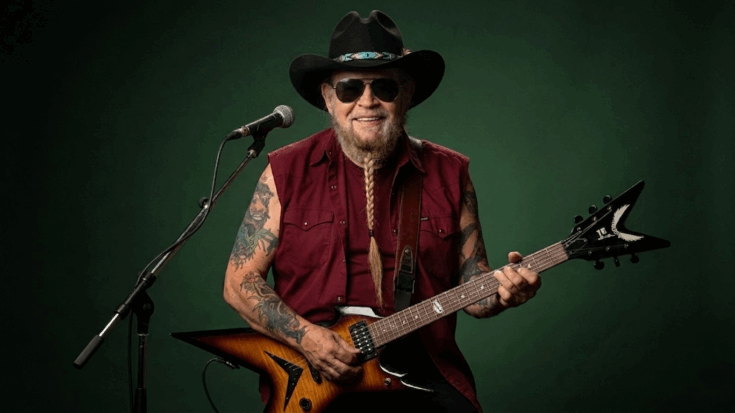
David Allan Coe built a career that rarely fit inside country music’s usual boundaries. Known for writing songs that spoke directly to working-class struggles, he moved between mainstream success and outsider status for decades. His death at 86 was confirmed by his wife, Kimberly Hastings Coe, who shared the news publicly and described the depth of their relationship in personal terms, calling him her “husband, my friend, my confidant.” A representative later confirmed he died around 5 p.m., though no cause was given.
In recent years, Coe had stepped away from frequent public appearances. After a COVID-19 hospitalization in 2021, he rarely performed, marking a quieter final chapter for an artist once known for relentless touring.
A Writer Behind Some of Country’s Biggest Songs
While many recognized his voice, Coe’s songwriting reached even further through other artists. He wrote “Take This Job and Shove It,” which became a major hit for Johnny Paycheck in 1977, as well as “Would You Lay With Me (in a Field of Stone),” recorded by Tanya Tucker. He was also the first country performer to record “Tennessee Whiskey,” a song that later became widely associated with George Jones and Chris Stapleton.
His own recordings gained strong followings as well. Tracks like “You Never Even Call Me by My Name,” “The Ride,” and “Mona Lisa Lost Her Smile” helped define his catalog. Beyond music, he appeared in films including Stagecoach and Take This Job and Shove It, extending his presence beyond the stage.
Life Experiences That Shaped His Sound
Coe’s early life in Akron, Ohio, included time in reform schools and a prison sentence between 1963 and 1967. Music became a personal outlet during those years. He explained, “No one could take it…” highlighting how songwriting stayed with him even in isolation.
His first album, Penitentiary Blues, drew directly from those experiences. Later, he signed with Columbia Records and released The Mysterious Rhinestone Cowboy, a project that helped define his image, including performing in a rhinestone outfit and mask.
View this post on Instagram
Outlaw Image and Controversial Chapters
During the rise of outlaw country, Coe placed himself firmly within that movement. Songs like “Longhaired Redneck” reflected the rough environments he often performed in, capturing the mix of audiences he encountered. His appearance in the documentary Heartworn Highways further cemented his role in that scene.
His fan base stretched across different groups, from bikers to professionals, reflecting his broad appeal. However, his career also included controversial releases such as Nothing Sacred and Underground Album, which drew criticism for explicit and offensive content. He later acknowledged regret, noting those songs were never meant for wide performance.
Later Years and Legal Troubles
Even as his recording output slowed, Coe remained active on the road for years. Between 2008 and 2013, he reportedly performed at least 100 shows annually. In 2016, legal issues surfaced when he was ordered to pay more than $980,000 to the IRS and placed on probation for tax-related offenses.
His final studio effort arrived in 2006, a collaboration involving members connected to the heavy metal band Pantera, showing his continued willingness to cross genre lines late in his career