The Song That Got Banned From Radio (And Sold Millions Anyway)
via Trog601/ Youtube
When Banning a Song Was the Best Thing That Ever Happened to It
There is a particular kind of irony that runs like a thread through rock and roll history. Time and again, the people with the power to silence a song would reach for the off switch, absolutely certain they were protecting the public from something dangerous, and in doing so would hand that song a kind of immortality that no amount of airplay could have manufactured on its own. A ban was free advertising. A ban was proof that the music mattered. And the fans, sensing that something was being kept from them, bought the record in droves.
It happened with the Beach Boys. It happened with The Who. It happened with The Kinks, and with The Beatles, and with Chuck Berry before any of them. But no story captures the beautiful absurdity of the rock and roll ban quite like what happened to the Rolling Stones in the summer of 1968, when “Street Fighting Man” arrived at the worst possible moment, for the best possible reasons, and got punished for it by almost every radio station in America.
Street Fighting Man: The Song They Were Afraid Of
The context matters. By August 1968, the United States had endured the assassination of Martin Luther King Jr., the assassination of Robert Kennedy, and the violent clashes between police and anti-war protesters at the Democratic National Convention in Chicago. The country was a tinderbox. And then the Rolling Stones dropped a song called “Street Fighting Man,” with Mick Jagger singing about marching feet, a time that was right for fighting in the streets, and palace revolutions.
Mick Jagger had written the song after attending a massive anti-war demonstration at London’s Grosvenor Square in March 1968, joining 25,000 protesters who had gathered to oppose the Vietnam War. The lyrics were incendiary by design, and the timing of the American release, just days after the chaos in Chicago, guaranteed a reaction.
Chicago radio stations refused to play it in the immediate aftermath of the Democratic National Convention riots. Most other American stations followed. The song, which had every expectation of being a top-ten hit given the Stones’ commercial dominance at the time, peaked at number 48 on the Billboard Hot 100. The Beggars Banquet album it came from, however, hit number five and moved over a million copies.
What made the ban particularly remarkable was Jagger’s reaction to it. Rather than scrambling to reassure nervous broadcasters, he greeted the news with a shrug and a grin. He had already seen this movie before. When told his song had been deemed subversive, Jagger shot back with one of the most perfectly calibrated responses in rock history.
“The last time they banned one of our records in America, it sold a million.”
Mick Jagger, 1968
He was not wrong. The ban made the song a symbol of exactly what it was singing about, the establishment using its power to suppress a voice it found inconvenient, and in doing so confirming every suspicion the counterculture had about who was really afraid of whom. Keith Richards, for his part, was even more direct about the futility of it all. “If you really want us to cause trouble,” he told reporters, “we could do a few stage appearances. We are more subversive when we go on stage.”
They Were Never the Only Ones: A Brief Hall of Shame
The Stones were in good company. Classic rock is littered with songs that somebody, somewhere, decided the public could not be trusted to hear. The reasons range from genuinely controversial to almost impossibly petty, and in nearly every case, the ban accomplished the precise opposite of what was intended.
The BBC initially refused to air the song, not because of Roger Daltrey’s feigned near-profanity, but because officials feared his stuttered vocals would offend people who stutter. When competing stations began playing the record heavily and it flew off the shelves, the BBC ultimately backed down. The song became one of rock’s defining anthems.

Brian Wilson’s masterpiece was pulled by radio stations across the American South for what broadcasters deemed blasphemous content. The offending element was the word “God” in the title. Paul McCartney has since called it one of the greatest love songs ever written. The Pet Sounds album it anchored is now considered one of the greatest records in pop history.

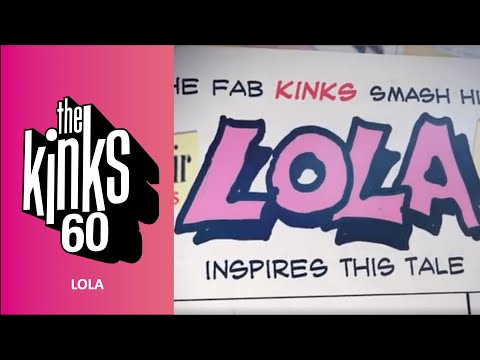
The BBC banned it, but not for the song’s subject matter about a romance with a cross-dressing woman. The issue was that Ray Davies had rhymed “Lola” with “Coca-Cola,” which violated the BBC’s strict prohibition on advertising. Davies had to fly back to London from the Kinks’ American tour to re-record the line with “cherry cola.” The song became a number-two hit in the UK anyway.