



This 1985 No. 1 Hit Powered a Cult Trilogy That Earned an Oscar
How “The Power of Love” Became a Standalone Hit Beyond Its Film Origins
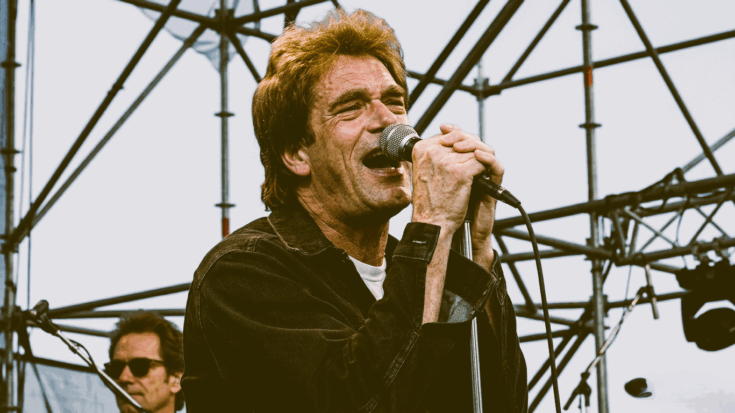
Before it was tied to any movie scene, “The Power of Love” had already started building its own identity as a major rock single. Released by Huey Lewis and the News, the track quickly broke into mainstream radio and climbed to No. 1 on the Billboard Hot 100, later also reaching the top of the U.S. Mainstream Rock chart.
Its success showed that it was more than a soundtrack placement. The song worked on its own terms, driven by a sharp hook, steady rhythm, and a sound that fit easily into 1980s radio rotation.
From Film Request to Full Radio Breakthrough
The track was originally commissioned after filmmakers Steven Spielberg, Robert Zemeckis, and Bob Gale approached the band. Their direction was simple: create something in the band’s natural style, since the fictional lead character would likely be a fan.
Even with that prompt, Huey Lewis was cautious at first. He had never written a song specifically intended for a film project and was not interested in forcing lyrics around a title or concept. What followed, however, was a surprisingly fast creative process.
A Quick Spark That Defined the Track
Lewis later described how the idea came together during a casual moment. “I strapped on that Sony Walkman and went for a little jog,” he said, explaining that the melody and structure formed during that run.
Once recorded, the reaction inside the studio confirmed its strength. Band member Sean Hopper reportedly summed it up simply: “Best thing we’ve ever done.” That response reflected how quickly the track felt complete, even without major revisions or overthinking.

Why the Song Stood on Its Own
Unlike many soundtrack singles, “The Power of Love” did not rely on context to connect with listeners. Its appeal came from its energy and directness, making it an easy fit for radio playlists at the time of release.
Over time, the song became one of the band’s defining tracks. While it remained connected to its original film association, its chart performance and radio longevity proved it could function independently as a pop-rock hit.
Recognition and Ongoing Presence in Pop Culture
The song’s impact extended far beyond its initial release window. It earned an Academy Award nomination for Best Original Song and continued to appear in multiple forms of entertainment, including video games, stage productions, and later film soundtracks such as Deadpool & Wolverine.
Its continued use in different media helped reinforce its identity as a standalone hit rather than a one-time promotional piece. Even decades later, it remains one of the most recognizable songs from Huey Lewis and the News’ catalog, still played regularly on classic rock and pop radio.