




The Album That Ended a Simon & Garfunkel Reunion
via "Heroes Of The 80s" / Youtube
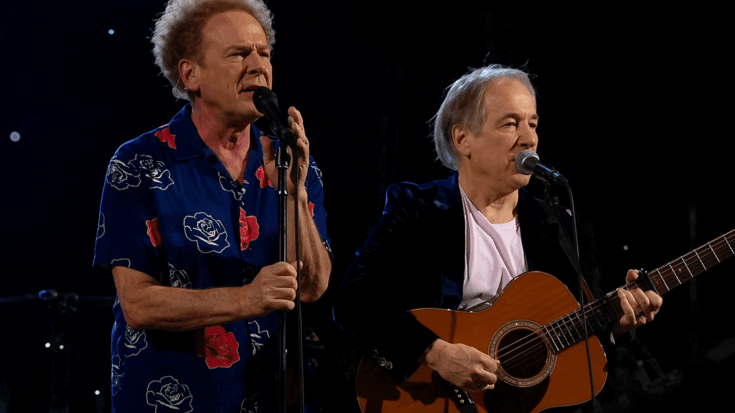
For Paul Simon, working within a duo was never as effortless as the music might have suggested. While his voice blended beautifully with Art Garfunkel, the creative dynamic beneath the surface was far more complex. Simon, as the principal songwriter, increasingly sought greater control over his material—something that extended beyond Garfunkel’s role as a harmony singer.
Though there were moments when Simon seriously considered ending their partnership, he also understood that their collaboration could occasionally return to a more cordial, productive place. Still, the tension between artistic ownership and shared performance remained a defining undercurrent of their relationship.
Creative Differences—or Something Deeper?
Few acts embodied the phrase “creative differences” as genuinely as Simon and Garfunkel. While the term is often used as industry shorthand for personal conflict, their situation was rooted in tangible artistic disagreements. Garfunkel’s growing interest in film, coupled with his inclination to revise material Simon had already crafted, created friction that ultimately pushed Simon toward a solo career.
Even after their split, both artists continued to thrive. Simon found success with solo work like “Me and Julio Down by the Schoolyard,” while their reunion performance at Central Park reminded audiences of their unmatched chemistry. Garfunkel, for his part, sustained his reputation with renditions of “Bridge Over Troubled Water” and solo hits like “A Heart in New York.” Yet for fans, these moments only intensified the desire for a lasting reunion.
Hearts and Bones and the Limits of Collaboration
That possibility resurfaced during the early development of Hearts and Bones, but old tensions quickly re-emerged. This time, Simon’s concerns were deeply personal. Reflecting on the process, he admitted:
“At first I thought, ‘I really can’t do it: These new songs are too much about my life to have anybody else sing them.’ I wanted to be there when it happened, because I knew that if what he did wasn’t all right with me, I wasn’t going to let it go. And that was the difference from the ’60s. What we didn’t realize at first was how big a difference it was. It was huge.”
To some, this stance painted Simon as controlling. However, the context told a different story. Following a difficult separation from Carrie Fisher, the material carried an emotional weight that Simon felt only he could convey authentically. Dividing vocal duties, as they had in the past, no longer felt appropriate for songs so closely tied to his personal life.
There was also a sense of quiet reckoning. During the making of Bridge Over Troubled Water, Garfunkel had challenged aspects of Simon’s work. Now, with a firmly established solo career, Simon held the final say—and he was unwilling to compromise.
In the end, Garfunkel’s contributions were removed from the project, a decision that disappointed longtime fans. But for Simon, Hearts and Bones was never meant to serve as a nostalgic reunion. Instead, it stood as a deeply introspective work—his own counterpart, in spirit, to Blood on the Tracks—and one he was determined to present on his own terms.