




Earl Slick on Replacing Mick Ronson in David Bowie’s Band
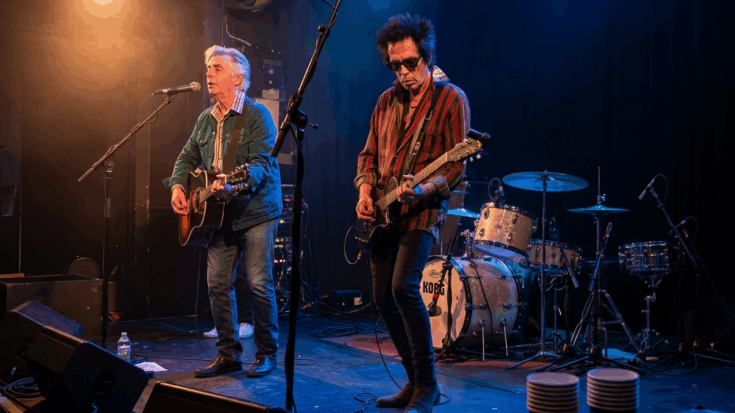
via "nickelliottinfo" / Youtube
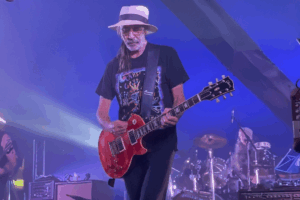
When Earl Slick stepped into David Bowie’s band in the mid-1970s, he wasn’t just landing a high-profile gig—he was replacing Mick Ronson, one of rock’s most revered yet often understated guitarists. The appointment came after Ronson’s departure and placed Slick in one of the most coveted roles in popular music at the time.
The challenge was immediate and intense. Beyond performing alongside Bowie, a singular artistic force, Slick had to contend with the expectations attached to Ronson’s legacy—a musician admired by both fans and critics. The weight of that transition was not lost on him.
Nerves, Expectations, and First Impressions
In an interview with NME, Slick admitted his anxiety stemmed less from the performance itself and more from the enormity of the shoes he was filling. “I wasn’t nervous about anything other than the fact I was replacing one hell of a guitar player, who I was a big fan of,” Slick admits. “Mick was a star, man. It felt like replacing Keith Richards or something. I shat my pants. I thought everyone was going to hate me, the crowd was going to try to kill me and the press would murder me.”
Those fears, however, quickly subsided after his first show.
“The next day we got the reviews and the reaction from the fans. I was like, ‘Phew! I did it!’ After the first gig I was fine, but that’s where the stress came from.”
Carving Out His Own Identity
A central question during Slick’s early days in the band was how closely he should mirror Ronson’s playing style. Rather than attempt imitation, Slick chose authenticity—a decision fully supported by Bowie.
“One thing I’m really lousy at is that I cannot copy other people note-for-note, so I don’t really do a lot of sessions,” he continues.
“I didn’t want him to want me to be Mick.
“I said, ‘How do you want me to approach this?’ He said, ‘I hired you because I like what you do. Do what you do’. Obviously, there are key things that Mick did that I couldn’t do any better so I did those, but the rest of it I just did like me.”
The approach paid off. Slick quickly found his footing, becoming a key contributor to Bowie’s live performances and recording output, including Young Americans and Station to Station.
More recently, Slick revisited his Bowie-era connections in a conversation with Guitar World, discussing the formation of KillerStar—a project Bowie had endorsed before his death. Meanwhile, Gibson has honored Ronson’s enduring influence with a limited-edition recreation of his Bowie-era Les Paul, a reminder of the legacy Slick was once tasked with carrying forward.