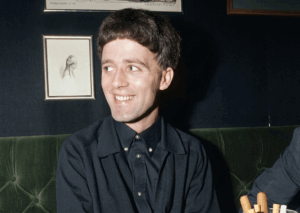





Santana Singer Alex Ligertwood Has Passed Away
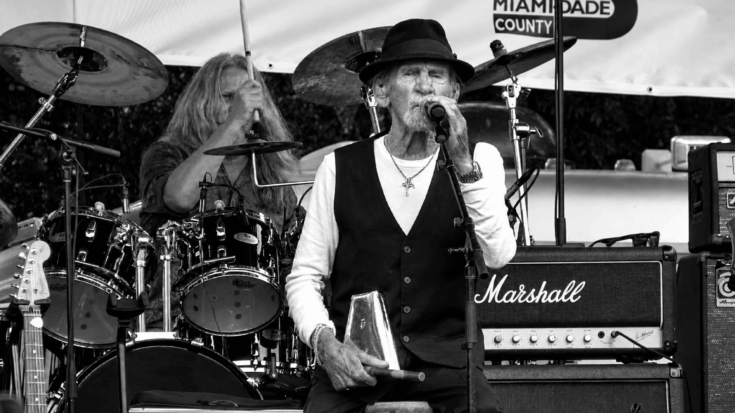
via "jukeboxhero26" / Youtube
Alex Ligertwood, the powerhouse vocalist best known for his work with Santana, has died at the age of 79. His daughter, Merci, confirmed the news, later supported by the Brogan Agency, which stated that the singer “passed peacefully in his sleep with his doggy Bobo by his side” at his longtime home in Santa Monica. His death came just two weeks after his final live performance—an ending that, according to his family, reflected exactly how he wanted to go: still making music.
Ligertwood’s legacy is inseparable from Santana’s evolution across the late ’70s through the early ’90s. Serving as the band’s lead vocalist in five separate stints between 1979 and 1994, he lent his unmistakable tone to albums such as Marathon, Zebop!, Shango, and Sacred Fire: Live in South America. Onstage, his voice helped define enduring tracks like “Winning,” “Hold On,” and “All I Ever Wanted,” elevating them into live staples that resonated across generations of fans.
Family Remembers a Life of Passion
In a statement to TMZ, his daughter, Merci, reflected on the personal side of the singer’s life and legacy:
“My dad loved many things. At the forefront were his family & friends, music, and Scotland. He continued doing shows up until the very end, just the way he wanted.”
She added:
“Though he is no longer with us, it’s a comfort to know his music and talent will live on. The outpouring of love is overwhelming and greatly appreciated by myself, my sister Kali, and brother Brandon. We miss you, Pops.”
Her words paint a portrait not only of a seasoned performer, but of a man deeply rooted in his personal connections and heritage—someone whose life offstage was as meaningful as his time in the spotlight.
Tributes From the Stage and Beyond
Musicians who worked alongside Ligertwood were quick to honor both his artistry and his character. Guitarist Brandon Paul, who toured with him as part of the “Icons of Classic Rock” lineup, described him as “a world-class professional,” adding:
“His voice was a force of nature — soulful, from the heart, and legendary every single night. Beyond the music, he was an amazing human being and a dear friend.”
Paul also reflected on the significance of sharing the stage with a singer who had collaborated with icons like Carlos Santana and Jeff Beck, noting:
“Having a vocalist who worked with icons like Carlos Santana and Jeff Beck compliment my guitar playing is something I will carry with me forever.”
While official word from Santana has yet to arrive, the absence of a statement has done little to quiet the wave of tributes emerging from fans and peers alike. Ligertwood’s passing marks more than the loss of a singular voice—it signals the fading of a generation of performers who bridged technical mastery with emotional immediacy.
In an era increasingly shaped by digital precision, Ligertwood represented something more organic: a voice that breathed, strained, soared, and connected. His performances were not merely delivered; they were lived in real time, night after night. As the music world reflects on his contributions, it becomes clear that his influence extends beyond recordings and setlists—it resides in the intangible space where voice meets feeling.
He may be gone, but the echoes of his work—raw, resonant, and unmistakably human—will continue to ripple through the genre he helped define.