The ’70s Rock Songs That Tried to Answer the Meaning of Life

via @MattDentler / X (Twitter)
The 1970s were a time of loudness, emotion, and longing. The world was still grappling with the aftermath of the Vietnam War, the Civil Rights Movement, political scandals, and rapidly shifting social norms. People questioned authority, tradition, and even the meaning of life. Unsurprisingly, the music of this decade reflected that soul-searching. Artists weren’t just trying to create hits—they were trying to make sense of the world.
Remarkable music was abundant during this period, but some songs stand out because they explore themes deeper than love, partying, or celebrity. These tracks touch on universal experiences, including ambition, heartbreak, injustice, and mortality. Together, they paint a raw yet honest picture of what it means to be alive.
To truly appreciate this, it helps to look beyond the obvious hits and overly polished “big idea” songs. Life’s meaning rarely comes through in slogans or clichés—it emerges in quiet moments, personal struggles, and hard-won insights. The five songs below capture these truths in ways that still resonate today.
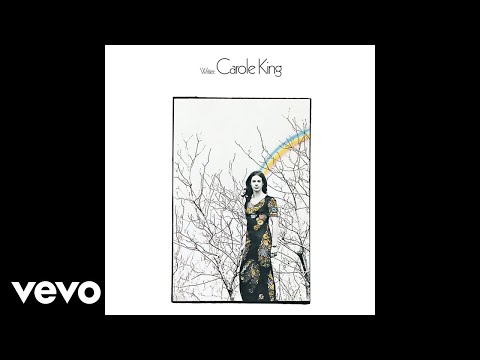
Carole King – Child of Mine (1970)
Care, patience, and love are what make life worth living. Everyone needs someone to guide and protect them in the beginning, no matter how independent they become. That fundamental relationship, especially between a parent and child, is universal. Carole King captures this beautifully in “Child of Mine.” The song feels more like a conversation than a performance—soft, tender, and full of love and optimism. While King wrote it for her children, its sentiment extends far beyond her own family.
The song isn’t about power or ambition; it’s about letting go. It acknowledges that children will grow into their own people, even when the world is harsh. It blends pride, worry, and trust, ultimately conveying that love often means allowing someone else to navigate life on their own. “Child of Mine” reflects the meaning of life through care for others, especially during moments of vulnerability.
Bruce Springsteen – Born to Run (1975)
If Child of Mine is about the start of life, “Born to Run” captures the desire to escape and explore. It embodies the restless energy of youth—the feeling that life is happening somewhere else, just out of reach. Bruce Springsteen wrote this song as a young, struggling musician with big dreams, and every second of the track carries that sense of urgency. It isn’t about one specific goal; it’s about chasing any dream before time runs out.
Rather than narrating events linearly, Springsteen paints vivid snapshots: streets at night, roaring vehicles, people pushing their limits. Anyone who has felt trapped in their surroundings and dreamed of freedom will relate. These experiences are fleeting, yet they shape who we become. The desire to take risks and move forward is a crucial part of life.

Joan Baez – Diamonds and Rust (1975)
Eventually, dreams collide with reality, and not every relationship survives. “Diamonds and Rust” reflects on what happens when love fades but memories remain strong. Joan Baez wrote the song after hearing from someone who once meant everything to her. The message is honest, neither angry nor overly sentimental, balancing beauty with pain.
The title says it all: some memories improve over time, while others grow more bitter. The song illustrates that people can hurt each other deeply without being inherently bad. Love can be both joyous and painful. “Diamonds and Rust” teaches an important lesson: not everything ends perfectly, and that’s okay. Growth often comes from facing difficult emotions rather than avoiding them.

Bob Marley – War (1976)
Some songs turn inward, while others confront the world. Bob Marley’s “War” does the latter. Adapting a powerful political speech, Marley addresses racism, brutality, and injustice without holding back. Written during a period of political tension in Jamaica and following an assassination attempt on Marley, the song carries real-world urgency. It isn’t theoretical—it comes from lived experience.
The lyrics make it clear that as long as people are judged by race or nationality, conflict will persist. Yet beneath the anger lies a call for peace and equality. Marley wasn’t content with fighting; he wanted change. “War” reminds listeners that personal happiness is linked to the freedom and well-being of others. Recognizing this is part of understanding life’s broader meaning.

Kansas – Dust in the Wind (1977)
Near the decade’s close, a quiet, reflective song emerged: “Dust in the Wind.” It meditates on the impermanence of everything—success, wealth, and even intense emotions. The music delivers its message softly, reminding listeners that nothing lasts forever, no matter how hard we try to hold onto achievements or moments. Even life’s most significant experiences eventually pass.
The song may feel sad at first, but many find comfort in its honesty. If everything is transient, the pressures and stresses of life diminish. Mistakes lose their weight, and what truly matters comes into focus. “Dust in the Wind” doesn’t inspire hopelessness—it encourages living fully in the present.

The Big Picture
These five songs tell a journey through life, starting with love and ending with acceptance. They traverse ambition, heartbreak, social responsibility, and ultimately, coming to terms with impermanence. They don’t provide easy answers—and that’s the point. According to these songs, there is no single explanation for life’s meaning. Instead, it’s a cycle: care for others, pursue your dreams, learn from mistakes, fight for justice, and recognize that time is short.
Set to the music of the 1970s, this message still resonates today.