The Moment News Broke Of Kurt Cobain’s Death
A Sudden End to a Generation’s Voice
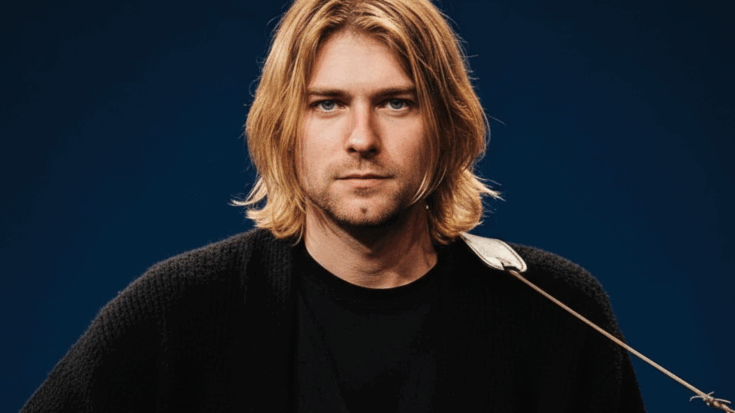
In 1994, the music world was stunned by the news that Kurt Cobain, the lead singer and guitarist of Nirvana, had died at the age of 27. His body was found at his home in Seattle, Washington, after he had been missing for several days. Officials later confirmed that Cobain died from a self‑inflicted gunshot wound. The news spread quickly, shocking fans, fellow musicians, and the broader public who had followed his rise from local band frontman to global rock icon.
Cobain had been struggling with depression, chronic health problems, and addiction in the years before his death. In the weeks leading up to April 1994, he had left Seattle for a rehabilitation facility in Los Angeles, but he left the program early and returned home. His wife, musician Courtney Love, became concerned when Cobain had not returned her calls, and eventually contacted friends and police to report him missing. Search efforts began immediately once authorities were notified.
The News Breaks and Public Reaction
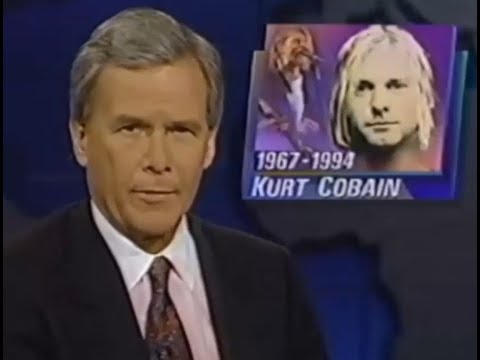
The first reports of Cobain’s death appeared on April 8, when police confirmed they had found his body at his home. Fans gathered at his house and outside the Sub Pop Records office in Seattle as news outlets began to broadcast the information. Radio stations interrupted regular programming to share the police statement and tributes from musicians, journalists, and friends. Cobain’s band, Nirvana, had become one of the biggest acts in rock music after the release of the 1991 album Nevermind, which brought alternative rock into the mainstream.
Media outlets detailed the timeline: Cobain was last seen leaving the rehabilitation center in March, and a note found near his body suggested that he had planned his death. Although the exact date of his passing was later determined to be April 5, the official announcement on April 8 marked the moment the world learned he was gone. Many fans did not immediately grasp the scale of the loss, and several went to meet at places tied to Cobain’s life and career.
Legacy and Ongoing Impact
Cobain’s death became a major cultural event, covered on front pages and news broadcasts worldwide. Bands and musicians spoke about his influence on a generation of artists, while others reflected on the pressures that come with fame. Nirvana’s music, marked by raw emotion and powerful lyrics, continued to reach new listeners long after his passing. Cobain was not only a musician but a figure who represented younger generations unhappy with mainstream culture and searching for authenticity in art.
His family and friends held a private funeral, and memorials were later organized in various cities. Over time, Cobain’s name became associated with the “27 Club,” a group of influential musicians who died at the age of 27. Decades after his death, discussions about mental health and addiction within the music world often referenced Cobain’s struggles, highlighting how his life and work continued to shape conversations far beyond the stage.