




7 Hit Songs From the ’80s That Wouldn’t Become Hits Today

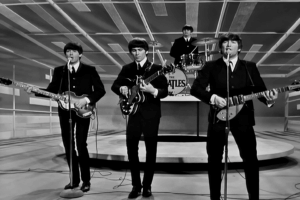
via Live Aid / YouTube (Screen capture enhanced)
The 1980s produced some of the most memorable rock hits in music history. Many of these songs defined a generation with their guitar riffs, synthesizers, and catchy choruses. However, some of these classics contain lyrics, themes, or production choices that would make them unlikely to succeed in today’s music scene. Modern audiences and streaming platforms often prioritize inclusivity, brevity, and polished production, which changes how older hits are received. Here are seven ’80s rock songs that, while iconic, would probably struggle to find the same success today.
Dire Straits — “Money for Nothing” (1985)
Dire Straits’ “Money for Nothing” remains one of the most technically accomplished songs of the 1980s, featuring Mark Knopfler’s distinctive guitar work and a sharp commentary on the music industry. The track became a massive hit internationally, partly due to its innovative music video that received heavy rotation on MTV.
Despite its musical achievements, the song includes a homophobic slur in the opening verse. In today’s cultural climate, this language would generate immediate backlash, making radio play and streaming success unlikely. Modern listeners are far more critical of offensive terms, and songs with such content are often removed from playlists.

The Police — “Every Breath You Take” (1983)
Often played at weddings and romantic events, “Every Breath You Take” is widely misunderstood as a love song. In reality, it is about obsession, surveillance, and control, reflecting the darker side of relationships.
In the current era, themes of stalking and possessiveness are more widely recognized as harmful. Lyrics like “I’ll be watching you” could be viewed as unsettling, and many listeners might interpret the song as promoting toxic behavior. Despite its memorable melody and chart-topping success, the subject matter would make it controversial today.

AC/DC — “You Shook Me All Night Long” (1980)
AC/DC’s classic is known for its high-energy riffs and straightforward rock appeal. The song is entirely centered on a sexual encounter, described in direct and explicit language, which was common in arena rock at the time.
Today, mainstream music tends to favor more nuanced or respectful depictions of relationships. Lyrics that focus solely on casual sexual activity without context or consent awareness could limit the song’s appeal, especially on pop-oriented platforms and streaming playlists, despite its historical popularity.

Aerosmith — “Dude (Looks Like a Lady)” (1987)
Aerosmith’s hit tells the story of a man being mistaken for a woman, framed as humorous. The catchy chorus and riff helped it climb charts in 1987, becoming one of the band’s signature songs.
Contemporary audiences are more conscious of gender identity and inclusivity. The song’s approach could be criticized as insensitive or transphobic. Lyrics intended as playful humor are often reassessed today, and this could prevent the track from gaining the same level of mainstream success in modern times.
Joan Jett & The Blackhearts — “I Love Rock ‘n’ Roll” (1981)
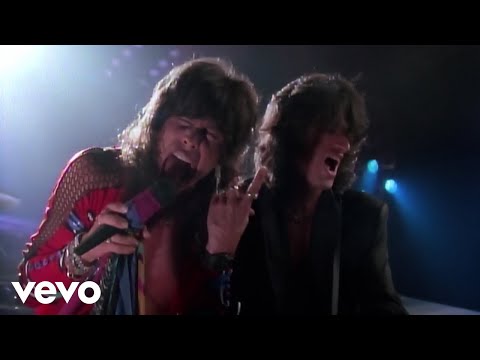
Joan Jett’s anthem became a karaoke and radio staple due to its simple structure, bold vocals, and raw glam-punk sound. It captures the rebellious energy of early ’80s rock while remaining instantly recognizable.
However, the stripped-down style and repetitive lyrics might struggle to compete with today’s heavily produced, genre-blending tracks. Modern listeners often prefer layered arrangements, polished vocals, and cross-genre experimentation, which could limit the song’s reach in the current musical landscape.

Simple Minds — “Don’t You (Forget About Me)” (1985)
Simple Minds’ hit gained fame through the movie The Breakfast Club, becoming emblematic of ’80s teen culture. Its synthesizer-driven melody and memorable chorus made it an enduring classic.
Even lead singer Jim Kerr has suggested that the song’s 1980s-specific sound would not perform as well today. Its production style, nostalgic vibe, and slow pacing are closely tied to its era, and modern streaming audiences often prefer tracks with more immediacy and current production techniques.

Guns N’ Roses — “Sweet Child o’ Mine” (1988)
“Sweet Child o’ Mine” features one of the most iconic guitar intros in rock history. Its emotional lyrics and extended solos exemplify late-80s arena rock and contributed to Guns N’ Roses’ mainstream success.
Today, the song’s length and lengthy instrumental sections could be a disadvantage. Streaming culture favors shorter tracks with instant hooks, and songs over five minutes often struggle to maintain listener retention. While still influential, it may not achieve the same chart dominance in modern music.