




8 Famous ’70s Rock Songs That Sound Worse the Older You Get
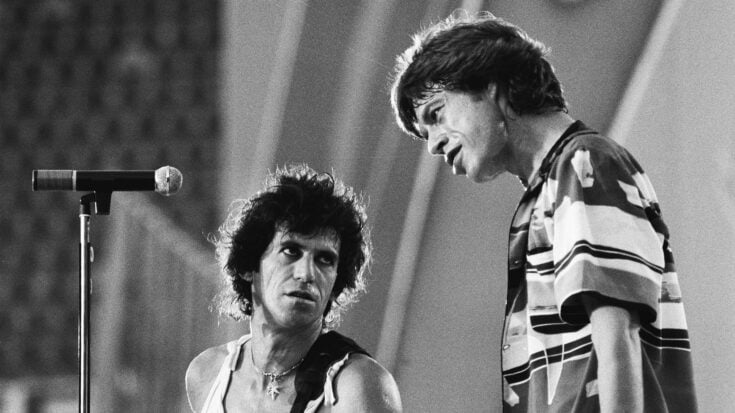
Photo by Marcel Antonisse / Anefo, CC0, via Wikimedia Commons
Popular music often reflects the time in which it was made. Ideas that once seemed normal or humorous can feel uncomfortable years later as social attitudes change. The 1970s produced many classic rock hits that remain musically important, yet some lyrics have aged poorly because of themes involving sexism, risky behavior, or cultural stereotypes.
This does not erase their success or influence. Many of these songs were major chart hits and helped define rock radio for decades. However, listeners today often hear them differently, focusing more on the words and context than audiences did at the time. Here are eight well-known ’70s rock songs whose lyrics now receive more criticism than praise.
1. Mungo Jerry — “In the Summertime” (1970)
“In the Summertime” became one of the biggest global hits of 1970, topping charts in several countries and selling millions of copies. Its relaxed sound and sing-along chorus made it a radio favorite. At the time, the song captured a carefree mood that fit perfectly with summer audiences and helped launch Mungo Jerry into international fame.
However, one lyric encourages listeners to “have a drink, have a drive,” which clashes sharply with modern attitudes toward road safety. Even when released, drink-driving laws already existed in the UK. Years later, the British government used the song in a public safety campaign warning against drunk driving, showing how cultural meaning can change over time.

2. Rainbow — “All Night Long” (1979)
Rainbow shifted toward a more commercial sound with their 1979 album Down to Earth, featuring singer Graham Bonnet. “All Night Long” became one of the band’s best-known tracks from this era, combining hard rock energy with a radio-friendly style that broadened their audience beyond earlier fans.
The lyrics, however, describe a boastful encounter with a groupie and include lines many critics viewed as dismissive toward women. Music newspaper Sounds publicly criticized the song upon release, arguing that humor did not excuse its tone. While musically popular, the track is often discussed today as an example of how gender attitudes in rock lyrics have changed.

3. Roy Harper — “Forbidden Fruit” (1974)
Roy Harper built a reputation as a respected folk-rock songwriter admired by fellow musicians during the 1970s. “Forbidden Fruit,” from his 1974 album Valentine, attracted attention for lyrics referencing a relationship involving a very young girl, which some listeners found troubling even before later controversies.
Decades after the song’s release, Harper faced criminal charges related to alleged historical abuse in 2013. The case went to court, where he was found not guilty on two counts, and the remaining charges were dropped. Despite the legal outcome, the song’s lyrics have since been reexamined through a modern lens, leading to ongoing debate about interpretation and context.

4. The Rolling Stones — “Brown Sugar” (1971)
“Brown Sugar,” the opening track of Sticky Fingers, became a worldwide hit and one of the Rolling Stones’ most recognizable songs. Written primarily by Mick Jagger, its driving rhythm and strong guitar work helped make it a staple of the band’s live shows for decades.
Over time, listeners focused more closely on lyrics referencing slavery and exploitation. Members of the band later acknowledged discomfort with the subject matter, and the song was removed from their live performances in 2022. Its musical influence remains strong, but discussions today often center on whether the lyrical themes overshadow its artistic impact.
5. Chuck Berry — “My Ding-a-Ling” (1972)
Chuck Berry is widely known as one of rock and roll’s founding figures, yet his only U.S. number-one single was “My Ding-a-Ling,” a novelty song filled with double meanings. Originally written by Dave Bartholomew, Berry’s live recording became a surprise hit in 1972 due to audience participation and humor.
Many critics felt the song’s suggestive jokes reduced Berry’s public image to comedy rather than highlighting his earlier groundbreaking work. Campaigners even attempted to have it banned because of its implied sexual references. For some listeners, the song’s popularity has long been viewed as an odd contrast to Berry’s deeper musical legacy.

6. Rod Stewart — “Maggie May” (1971)
“Maggie May” helped turn Rod Stewart into an international star, reaching number one in both the UK and the United States. The song tells a personal story inspired by Stewart’s youth and stood out for its acoustic sound and emotional delivery, making it one of the defining hits of 1971.
The lyrics describe a young man involved with an older woman who leads him away from school and home responsibilities. While the story was often treated humorously at the time, modern listeners sometimes interpret it through discussions about power imbalance and age differences. Stewart has said the song reflects real experiences, which adds complexity to how audiences view it today.

7. Aerosmith — “Walk This Way” (1975)
Released on the album Toys in the Attic, “Walk This Way” became one of Aerosmith’s signature songs and later gained renewed success through its 1986 collaboration with Run-D.M.C. The track played an important role in connecting rock and hip-hop audiences and remains widely recognized.
Closer attention to the lyrics reveals descriptions of sexual encounters involving teenage girls, which many listeners now find uncomfortable. While censorship was minimal at the time, changing social standards have led to greater scrutiny of such themes. The song’s musical innovation remains influential, but its lyrical content is more frequently debated today.

8. The Rolling Stones — “Some Girls” (1978)
The title track of the Rolling Stones’ 1978 album Some Girls marked a commercial comeback for the band during the late 1970s. Its energetic style reflected New York’s music scene and helped the album become one of their best-selling releases.
The lyrics attempt satire but rely heavily on racial and ethnic stereotypes, which sparked protests and boycotts shortly after release. Civil rights groups objected to specific lines they considered offensive. Mick Jagger later expressed regret for causing offense, and the song is now often discussed as an example of how humor and satire in past music can age differently as social awareness evolves.