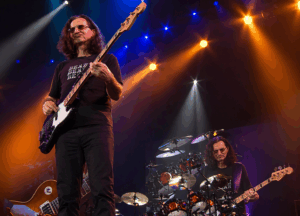





Ranking the Best and Worst Solo Albums by Rolling Stones Members

Photo by SolarScott, cropped CC BY 2.0, via Wikimedia Commons
It sounds like the best thing in the world to be in a famous band, but there are also many problems that come with it. Fame came early and never truly went away for the Rolling Stones. The band became more than just a group; it became an institution, with decades of popularity, massive tours, and a catalog that changed rock history. Even famous people occasionally want to step away and see who they are on their own.
Some members of the Stones viewed solo records as a form of freedom. They could explore different genres, work with new collaborators, and pursue ideas that didn’t always fit the band’s sound. To some, working alone seemed unnecessary or even risky—like straying from a road that was already working. The results were a mix of interesting, unexpected, and sometimes startling efforts.
The best and worst solo albums by the Stones’ core members make one thing clear: success in a band doesn’t guarantee success on your own. Independence can sometimes spark creativity. At other times, it exposes what’s missing without the group’s chemistry. Here’s a closer look at how each member fared on their own.
Getting Out of the Band’s Safety Zone
Going solo can be intimidating, especially when the band behind you is one of the most famous in the world. The Rolling Stones were more than a band—they were a brand, a movement, and a sound recognized everywhere. Stepping away from that, even briefly, meant facing an audience without the familiar emblem.
Some members charged confidently into solo work, while others approached it cautiously. Those differing attitudes shaped the albums they made and the way fans received them.
Mick Jagger — Pop Star Confidence Front and Center
Best: She’s the Boss (1985)
It was immediately clear that Mick Jagger wasn’t trying to recreate the Rolling Stones on She’s the Boss. Instead, he embraced the glossy, dance-oriented sound of the mid-1980s. The album leaned heavily on synthesizers, sharp production, and rhythmic beats. Jagger sounded like he was genuinely enjoying a more polished pop persona.
The record featured several high-profile collaborators, but what stood out most was Jagger’s confidence. He sounded fully in control of his own project. While it lacked grit, it achieved its goal: stylish, accessible pop built for radio. In hindsight, it has aged better than many expected because it so clearly reflects its era.
Worst: Primitive Cool (1987)
Released soon after, Primitive Cool wasn’t a failure, but it failed to leave a lasting impression. The musicianship was solid, and Jagger’s vocals were strong, yet the songs themselves felt forgettable.
Despite a capable supporting cast, the album lacked urgency and emotional pull. It felt oddly restrained for an artist known for boldness, making it seem like a step backward from his previous solo effort.
Keith Richards — Grit, Groove, and No Apologies
Best: Talk Is Cheap (1988)
Talk Is Cheap felt completely natural, as Keith Richards never appeared interested in being a conventional solo star. Surrounded by close friends, he created an album that sounded raw, loose, and deeply human.
His unmistakable guitar style drove bluesy, classic rock songs throughout the record. Richards’ voice was rough, but that imperfection gave it character. The album had humor, heart, and personality—it sounded like music made for love, not obligation.
Worst: Crosseyed Heart (2015)
With a relatively small solo catalog, choosing Richards’ weakest album wasn’t easy. Crosseyed Heart landed here largely because it didn’t match the strength of his earlier work.
Blending blues, country, and reggae, the album leaned into a relaxed, almost overly comfortable vibe. It wasn’t bad—just a little too mellow. Fans of Richards’ rebellious edge may find it pleasant but forgettable.
Ronnie Wood — Fun, Free-Spirited, and Unpredictable
Best: Gimme Some Neck (1979)
Ronnie Wood’s strongest solo album felt like a joyous, messy love letter to rock and roll. Drawing from his previous bands and influences, Gimme Some Neck delivered a sound that was rough but bursting with energy.
Perfection wasn’t the goal. Instead, the album thrived on personality and momentum. Wood’s vocals were imperfect but sincere, and the songs felt spontaneous. That looseness mirrored exactly why he fit so naturally into the Rolling Stones.
Worst: I Feel Like Playing (2010)
This album suffered from too many ideas and an overload of guest musicians. While the lineup was impressive, the record lacked a clear identity.
Styles shifted rapidly, and the album felt scattered. Rather than a cohesive statement, it came across as a collection of jam sessions that never fully came together.
Charlie Watts — A Jazz Soul at Heart
Best: Live at Fulham Town Hall (1986)
Charlie Watts was never just a rock drummer. Jazz was his true passion, and Live at Fulham Town Hall showcased that side beautifully. Leading a large ensemble, Watts emphasized collaboration over individual spotlight.
The album was lively, disciplined, and full of warmth. Even listeners unfamiliar with jazz could appreciate its precision and energy. Watts didn’t dominate the music; he guided it calmly, letting the ensemble shine.

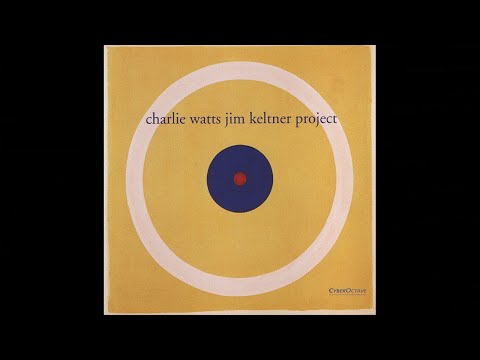
Worst: The Jim Keltner Project with Charlie Watts (2000)
This album ranked lowest largely because it didn’t feel like a traditional solo effort. Its focus on experimental percussion and shared leadership made it less accessible.
While inventive and engaging, it wasn’t an easy listen for casual fans. Those drawn to unconventional rhythms appreciated it more than listeners expecting familiar structures.
Brian Jones — A Visionary Gone Too Soon
Best and Worst: Brian Jones Presents the Pipes of Pan at Joujouka (1971)
Brian Jones’ solo output was tragically brief. Released after his death, this album stands as his only true solo work.
Recorded in Morocco, the project featured local musicians performing traditional music in their own homes. Jones was exploring global sounds long before “world music” became a common term. The album wasn’t designed for mass appeal, but it was groundbreaking in concept.
Its importance outweighed its accessibility. Challenging yet respectful, it opened doors and highlighted musical traditions far outside Western rock norms.

Bill Wyman — Calm, Confident, and Catchy
Best: Bill Wyman (1982)
Many listeners were surprised by Bill Wyman’s self-titled solo album. It was smooth, upbeat, and filled with strong melodies. Wyman played many of the instruments himself, showcasing talents that rarely stood out in the Stones.
The album balanced pop sensibility with rock attitude. It wasn’t revolutionary, nor did it aim to be. Instead, it was relaxed, confident, and enjoyable.

Worst: Stone Alone (1976)
Despite its clever title, Stone Alone suffered from an excess of guest musicians. With so many voices and styles, the album struggled to stay focused.
Wyman’s ambition was clear, but the final result felt scattered. Rather than highlighting his strengths, the record came across as an unfocused collection of ideas.
Mick Taylor — Skill Over Showmanship
Best: Mick Taylor (1979)
Released during a period of loud, rapidly changing music, Mick Taylor’s debut solo album took a quieter route. His self-titled record leaned toward blues-based rock, emphasizing precision and restraint.
Taylor’s slide guitar work was exceptional, and the album benefited from its subtlety. Instead of chasing trends, he trusted his instincts and technique, resulting in a confident, understated statement.
Worst: A Stone’s Throw (1998)
With only two solo albums, this inevitably ranked lower. A Stone’s Throw wasn’t bad, but it lacked the impact of his debut.
The guitar work remained strong, yet the album felt rushed and less memorable. Solid, but not standout.

When Freedom Helps—and When It Hurts
The Rolling Stones’ solo albums reveal more than musical experiments. They reflect confidence, comfort levels, and creative priorities. Some members flourished independently, while others clearly benefited from the group’s shared energy.
Together, these records tell an uneven but fascinating story. They remind us that even rock legends are human—and that stepping out alone can be the hardest move of all.