




5 Rolling Stones Songs Keith Richards Played Bass On
via Famulus /. Youtube
The Rolling Stones didn’t just stumble into greatness. They were stacked with talent from top to bottom. Charlie Watts laid down steady, unshakable drum parts that held everything together. Mick Taylor brought sharp, emotional guitar leads. Ronnie Wood added color, looseness, and feel. And out front, Mick Jagger and Keith Richards drove the band with attitude and songwriting instincts that changed rock music forever.
But behind all that flash and swagger sat the bass guitar, an instrument that rarely took the spotlight in the Stones. For years, Bill Wyman was seen as the band’s quiet backbone—the guy who held things down while chaos unfolded above him. That reputation isn’t wrong, but it doesn’t tell the full story.
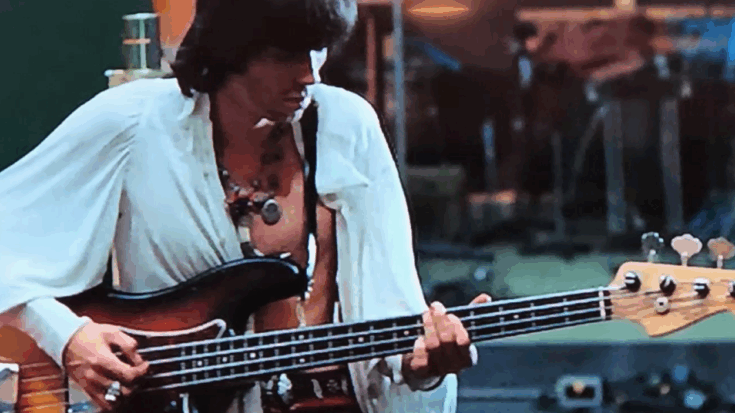
As the band moved deeper into the late 1960s and early 1970s, the Stones’ recording process became loose and unpredictable. Studio sessions stretched late into the night, musicians drifted in and out, and not every member played on every track. Sometimes that was a creative choice. Other times, it simply happened. That environment opened the door for Keith Richards to quietly become one of the most important bass players in the band’s catalog.
When the Bass Chair Wasn’t Always Filled
Bill Wyman was different from the rest of the Stones. He was older, calmer, and far less interested in living fast. While others thrived in chaos, Wyman preferred order. He often arrived at sessions early, waited patiently, and left if nothing happened. Sometimes he didn’t show up at all.
Yet the Stones never sounded weaker when he was gone. That’s because Richards—and occasionally Mick Taylor or Ronnie Wood—could step in and handle bass duties without missing a beat. Richards, in particular, seemed to enjoy it.
The contrast in styles mattered, too. Wyman played bass in a stripped-down, supportive way. His lines locked tightly with Watts’ drumming and rarely drew attention to themselves. Richards, on the other hand, treated the bass like a second lead instrument. He pushed grooves forward, climbed the neck, and turned bass parts into hooks. Both approaches worked. But when Richards picked up the bass, something electric happened.
The following five songs prove that Richards wasn’t just filling in—he was redefining what the bass could do in the Rolling Stones.
1. “Jumpin’ Jack Flash” — Bass That Refused to Sit Still
“Jumpin’ Jack Flash” is often remembered for its gritty guitar riff and explosive energy. What many people forget is that Bill Wyman didn’t actually play bass on the track.
The song began simply, built from a basic idea that evolved quickly once the band hit the studio. Richards ended up handling bass duties, and his part immediately stood out. Instead of staying safely in the background, the bass bounced and pulsed, pushing the song forward with confidence. The line had movement—it climbed and dropped, creating tension and excitement that matched the song’s rebellious spirit. This wasn’t background support; it was a driving force.
It marked one of the first times in a Stones recording where the bass felt bold and restless, almost demanding attention. That approach would become Richards’ trademark.

2. “Sympathy for the Devil” — Groove as Storytelling
If there’s one song that showcases Richards’ instincts as a bass player, it’s “Sympathy for the Devil.”
The track started in a completely different place before transforming into the hypnotic rhythm listeners know today. Percussion plays a major role, but the bass is the glue that holds everything together. Richards’ bass line dances around the rhythm, weaving through the drums and percussion while never losing control. It’s playful, tense, and slightly dangerous—perfect for the song’s dark storytelling.
The line doesn’t just keep time; it shapes the entire mood. It makes the song feel seductive and unsettling at once. When later bass players tried to recreate it live, they came close, but the original had a looseness that couldn’t be copied. That groove came from instinct, not calculation.
3. “Happy” — Bass Born From a Moment
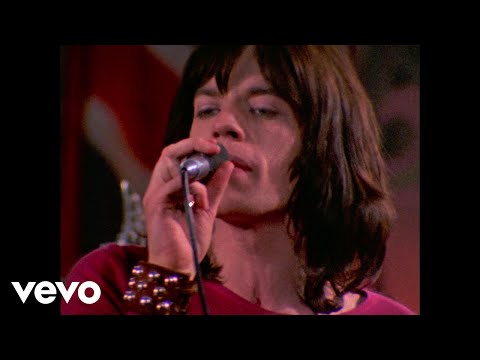
“Happy” exists because Richards showed up early.
During the chaotic sessions for Exile on Main St., the band recorded whenever and wherever they could. One day, Richards found himself waiting around with a few musicians and decided to make use of the time.
The result was a song that felt spontaneous and alive. The bass on “Happy” is raw and gritty, with a slightly dirty tone that fits the basement atmosphere where it was recorded. It doesn’t sound polished, and that’s exactly why it works. Wyman struggled with the disorder of the Exile sessions and didn’t appear on many tracks. Richards stepped in naturally, and the bass line he created feels loose but confident, like it was pulled straight from the room itself. It’s one of the most human bass performances in the Stones’ catalog.

4. “Live With Me” — Letting the Bass Take the Lead
Rolling Stones songs rarely started with bass alone. That just wasn’t how the band usually worked. But “Live With Me” breaks that rule.
The song kicks off with a bouncing bass line played by Richards, immediately setting a bold tone. It’s playful, aggressive, and impossible to ignore. The bass doesn’t wait for permission—it announces itself. This moment highlights a key difference between Richards and Wyman. Wyman was content to serve the song quietly. Richards had no problem stepping forward if he felt it helped the track.
Importantly, this wasn’t about ego. Wyman often encouraged Richards to take over bass duties if the idea was already formed. He understood that sometimes simplicity meant letting the right person play the part. The result is one of the most recognizable bass intros in Stones history.

5. “Street Fighting Man” — One Instrument, Maximum Impact
“Street Fighting Man” is built on clever limitations.
The song was recorded mostly with acoustic instruments, heavily distorted to sound massive. Richards played the bass himself, and it ended up being the only electric instrument on the track.
The bass part mirrors what he did on “Jumpin’ Jack Flash”—active, aggressive, and full of movement. It punches through the mix, grounding the song while matching its rebellious message. Because Wyman wasn’t present during the session, Richards had full control. That freedom allowed him to chase the exact sound he had in his head. The result is a bass line that feels urgent and restless, perfectly matching the song’s political tension and raw energy.

A Different Kind of Greatness
None of this means Bill Wyman wasn’t a great bass player. He absolutely was. His work on songs like “Miss You” and “Bitch” proves how powerful restraint can be.
But Keith Richards brought something else to the table. He played bass like a songwriter, not a sideman. His lines carried hooks, attitude, and emotion. They weren’t just there to support the song—they helped define it.
In a band full of strong personalities, Richards’ willingness to move between guitar and bass gave the Stones flexibility. When the moment called for something bold, he answered. These five songs make one thing clear: when Keith Richards picked up the bass, magic followed. He didn’t just fill in—he left a permanent mark on the sound of one of the greatest rock bands of all time.