Post Malone, Slash, and Duff McKagan Honor Ozzy Osbourne at the 2026 Grammys
via Junior/ Youtube
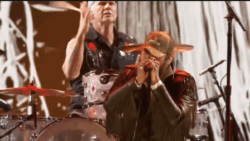
At the Grammy Awards, music’s biggest night briefly set aside its usual glitz for a moment of raw power and reverence, as a group of artists from different generations came together to honor rock legend Ozzy Osbourne. During the ceremony’s memorial segment, an all-star lineup featuring Post Malone, Slash, Duff McKagan, Chad Smith, and producer Andrew Watt delivered a thunderous performance of Black Sabbath’s classic anti-war anthem “War Pigs.”
Rather than softening the song’s ominous edge for mainstream television, the musicians leaned fully into its darkness. Slash’s blistering guitar work cut through the arena, Smith’s drums landed with unrelenting force, and McKagan’s bass provided a muscular backbone. Post Malone, who had previously collaborated with Osbourne, approached the vocals with restraint and respect, channeling emotion without attempting to imitate the original performance.
Emotion in the Audience
As the tribute unfolded, cameras turned toward the Osbourne family seated in the audience. Sharon Osbourne, along with children Kelly and Jack, appeared visibly moved, their reactions underscoring the deeply personal nature of the moment. Tears and applause followed in equal measure, capturing the weight of loss felt not only by fans, but by those who knew Osbourne best.
The scene added a human dimension to the spectacle, reminding viewers that behind the larger-than-life persona was a husband, father, and enduring creative force. In an arena often defined by celebration and competition, the tribute brought a rare hush — one filled with reflection rather than noise.
A Legacy Reaffirmed
Choosing “War Pigs” was no coincidence. The song remains one of Black Sabbath’s most powerful statements, embodying the confrontational spirit that defined Osbourne’s career and helped shape the sound and attitude of heavy metal. Its presence on the Grammys stage served as a reminder of how deeply his influence runs — not only through classic rock, but across modern music and culture.
For several unforgettable minutes, the Grammys transformed into something more than an awards show. It became a space for reckoning with legacy, rebellion, and the lasting power of uncompromising art. The tribute did not attempt to sanitize or modernize Osbourne’s work; instead, it honored it on its own terms — loud, defiant, and emotionally charged. Long after the final notes faded, the message was clear: Ozzy Osbourne’s voice may be gone, but his shadow still looms large over rock music, and it shows no sign of fading.