





Keith Richards Reveals the One Singer He Wishes He’d Never Met
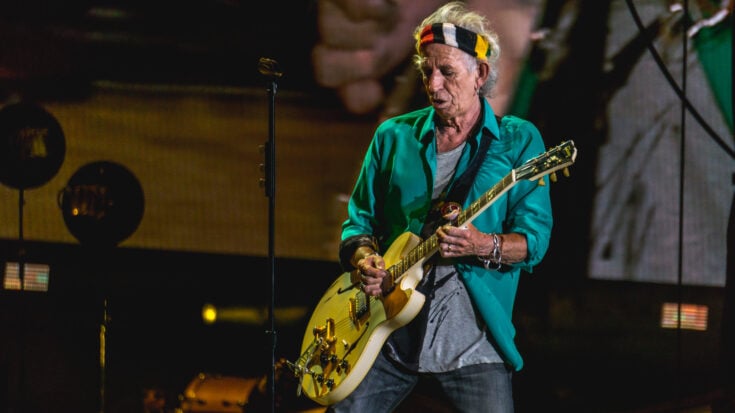
Photo by Raph_PH, CC BY 2.0, via Wikimedia Commons
For years, Keith Richards has been half-jokingly portrayed as indestructible, yet the myth persists because the image still fits. With his weathered features, pirate-inspired fashion, and unshakable self-assurance onstage, he continues to embody what a rock star is supposed to look like. While many musicians strive for authenticity, Richards appears to live it naturally, whether the spotlight is on or not.
Unlike many of his peers, he has never seemed to perform a version of himself for the public. That consistency places him alongside figures like Paul McCartney, another artist widely viewed as a living legend. The difference, however, is that Richards’ public persona and private identity appear virtually indistinguishable. His devotion to rock and roll is not an act—it is a way of life shaped by a deep, lifelong connection to the music that first inspired him.
Roots in the Blues and Country Tradition
Richards’ musical foundation was firmly established long before global fame. His early bond with Mick Jagger famously began over shared records spotted on a London railway platform. From the start, blues music occupied a central place in Richards’ world.
Artists such as Muddy Waters and Robert Johnson were not just influences but guiding forces. Richards’ reverence for American roots music extended beyond the blues into country, reflected in collaborations with legends like George Jones and his close friendship with Gram Parsons. These relationships underscored his belief that rock and roll was inseparable from its blues and country origins.
Chuck Berry: Genius, Influence, and Disillusionment
While the Rolling Stones explored multiple musical directions, Richards always returned to the pioneers who first ignited his passion. Performers like Elvis Presley and Little Richard helped define early rock’s visual flair and vocal intensity. But for Richards, no figure loomed larger than Chuck Berry.
Berry is widely regarded as the godfather of rock and roll, not because he arrived first, but because of how decisively he shaped the sound and spirit of the genre. His guitar work and songwriting resonated with generations of young listeners eager to challenge authority and turn their music up loud.
Richards placed Berry on a pedestal—until working with him shattered the illusion. Reflecting on that experience, Richards once said:
“I don’t know if Little Richard was more important to me than Chuck Berry. Chuck has always been my man. Except that now I know the man and I wish I didn’t. In a way, this is one of the few disappointments in my life. I gotta say, Chuck, you asshole.”
The disillusionment was understandable. Berry’s reputation for difficult behavior and troubling offstage conduct complicated his legacy. Still, Richards proved capable of separating the art from the artist. Whatever his personal flaws, Berry’s music retained its power.
Decades on, that distinction remains clear. Berry may not have been an ideal hero, but every time Richards launches into “Johnny B. Goode,” the original spark of rock and roll is still very much alive.