




Peter Criss Finally Speaks on KISS Reunion Cash
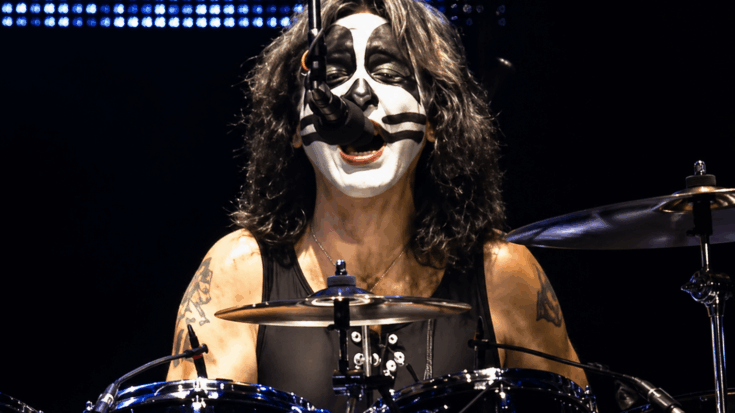
via "kissfan777" / Youtube
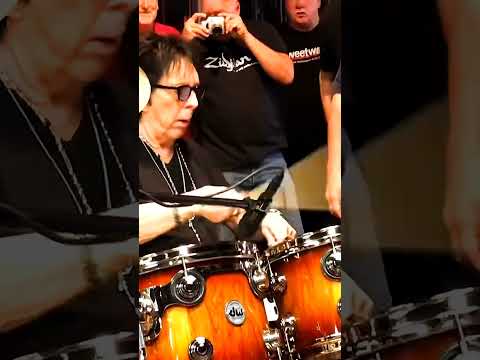
Former KISS drummer Peter Criss has revisited the financial and personal realities that led to the band’s blockbuster 1996 reunion, offering a candid retrospective during an appearance on Talkin’ Rock with Meltdown. His account paints a picture of a band—and its former members—at a crossroads, where nostalgia, necessity, and sharp business instincts converged.
Hard Times Before the Comeback
Before the reunion became a global phenomenon, Criss and Ace Frehley were navigating a far more modest chapter in their careers. Touring together on the “Bad Boys Tour,” the pair performed in venues that were a fraction of the size they once commanded.
“We were on a tour, on our own tour, Ace Frehley and I. It was called the ‘Bad Boys Tour’. And so we were touring together. And it was hard times. We weren’t playing stadiums. We were playing, like, 500 seaters, and we were missing it — we were really missing the life,” Criss said.
He noted that the then-current lineup of KISS was also struggling to maintain its former stature, appearing at fan conventions rather than headlining major arenas.
“And they [the then-lineup of KISS], too, weren’t doing great. They were playing these conventions — they were playing KISS conventions — so they were also not in the position where they used to love to be in that position.”
A Reunion Sparked by Instinct and Audience Demand
The turning point came during rehearsals, where Criss sensed a shift in the room—particularly from bassist and co-founder Gene Simmons.
“And so we got together and rehearsed. I looked at Gene’s [Simmons, KISS bassist/vocalist] eyes, and all I saw was ‘ka-ching, ka-ching, ka-ching’ rolling around in his eyeballs, when I did ‘Hard Look Woman’, and I went, ‘I got a vibe here,’” he recalled.
Momentum intensified during the band’s appearance on MTV Unplugged, where fan reaction made the demand for the original lineup unmistakable.
“And I remember the funny thing is when we were [playing at the ‘MTV Unplugged’ event], [fans] were booing [then-KISS drummer] Eric [Singer] and [then-KISS guitarist] Bruce [Kulick]. And Ace was, like, ‘Ah, shut up. They’re part of the family.’ And the fans, all of sudden, didn’t want them guys; they wanted the [original] band back,” Criss said.
Soon after, longtime manager Doc McGhee presented the proposal that would change everything.
“And then two weeks later I was on tour with my band in Canada somewhere, and I got a call from [KISS’s longtime manager] Doc McGhee, and he said, ‘We wanna put the [original] band back. We wanna go back out on a reunion tour. I already know for a fact you already sold out two years, and it’s gonna be around the world twice. [You’ll travel in a] jet, all the perks, all the good stuff.’ And I said, ‘You’re kidding me,’” Criss recalled.
Relearning the Past, Reclaiming the Spotlight
Returning to KISS after nearly two decades required intense preparation. Criss described a disciplined routine of rehearsals, physical training, and studying archival footage to recapture the band’s classic stage presence.
“So I had to work hard. I had to relearn all the KISS stuff that I hadn’t played in 17 years. I would get up in the morning and go to the gym. We took it real serious. Then we’d go to rehearsal. And then I’d go home and watch old KISS movies, like back-in-the-day stuff to relearn kind of the movements and the way we were on stage. So it was a lot of work, man,” he said.
When the reunion was unveiled, the response was immediate and overwhelming.
“We looked the same. It looked like we were ageless. We still looked like [we were] in our twenties. And we just looked at one another and said, ‘This is gonna be so good.’ And we got on the Intrepid, and there was a million photographers from all over the world snapping pictures. And we just knew we were gonna be on the ride of our life. We knew it was just gonna be great,” he said.
The reunion ultimately spanned eight years, including the Psycho Circus era, before familiar tensions resurfaced.
“And then I stayed with them for another eight years. And then it again got crazy, as it always does in bands — sometimes you can’t change the spots on a leopard, especially with certain members of the band — and so Ace and I kind of ducked out again and said, ‘I just don’t want a part of this anymore.’ But for those eight years with the ‘Psycho Circus’ tour and the other stuff and all, it was good. It was good. It was [KISS being] back in stadiums,” Criss concluded.
What followed validated the instincts Criss had observed early on. The 1996 reunion tour became one of the highest-grossing in rock history, earning tens of millions in North America alone and surpassing $200 million worldwide. Yet behind the spectacle, disputes over revenue distribution hinted at the same complexities that had long defined the band—proving that while the reunion restored KISS to stadium glory, it did not resolve the tensions that came with it.