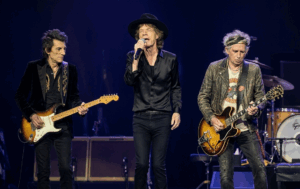





This 1983 Film Turned Nostalgia Into One of Rock Cinema’s Defining Moments
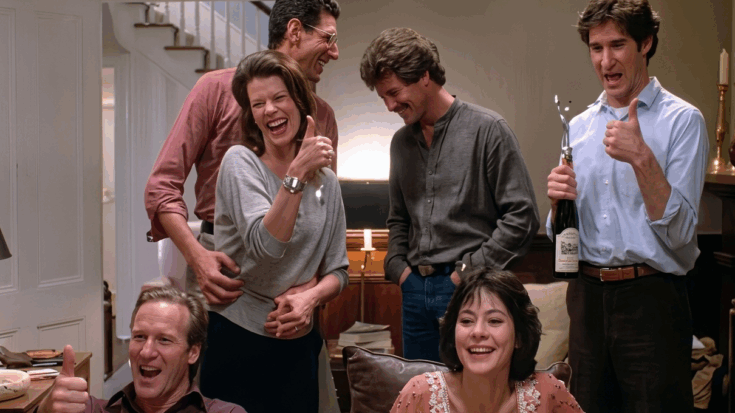
via Rotten Tomatoes Classic Trailers / YouTube (Screen capture enhanced)
Long before streaming playlists shaped how audiences discover old hits, one film proved that music from the past could carry an entire story on its shoulders. In 1983, a drama arrived that turned memory, friendship, and classic songs into a shared emotional space.
The project, The Big Chill, directed by Lawrence Kasdan, centered on a group of former college friends who reunite after the sudden death of one of their closest companions. Set mostly in a quiet house in Beaufort, South Carolina, the story unfolds over conversations, shared meals, and reflections on how life has changed since their youth.
Music as Memory in Motion
What gives the film its lasting identity is its soundtrack. Instead of original scoring, the movie relies on 18 carefully chosen tracks from the mid to late 1960s. These songs shape the emotional tone of every scene, turning familiar recordings into storytelling tools.
Artists like The Rolling Stones with “You Can’t Always Get What You Want,” The Young Rascals with “Good Lovin’,” Aretha Franklin with “(You Make Me Feel Like) A Natural Woman,” and Marvin Gaye with “I Heard It Through the Grapevine” help define the film’s emotional landscape. Each track reflects a different shade of memory, regret, or connection.
A Cast Built on Recognition and Risk
The ensemble cast brought together several rising and established performers of the time. Actors such as Jeff Goldblum, William Hurt, Kevin Kline, Meg Tilly, JoBeth Williams, and Glenn Close formed the core group navigating grief and personal history.
Close’s performance period was especially notable, as she received major award nominations across film, theater, and television within the same year. Meanwhile, Kevin Costner appeared as the deceased friend in flashback scenes, though those sequences were ultimately removed, leaving his role almost entirely unseen.
How a Story Became a Cultural Echo
Over time, the film developed a reputation not just as a drama, but as a reflection of an entire generation revisiting its past. Critics later pointed out how its use of music helped spark renewed interest in 1960s culture during the 1980s.
The film’s success contributed to a broader revival of that earlier decade’s sound, similar to how other works had previously revived interest in the 1950s. The blend of storytelling and soundtrack became a reference point for later filmmakers.

Lasting Place in Film and Sound
Even decades after its release, the film continues to be discussed for how seamlessly it connects narrative and music. In 2023 retrospectives, it was again highlighted as a standout example of rock-influenced cinema.
Its enduring appeal comes from a simple formula: familiar songs placed inside an emotional story about aging friends confronting change. That combination still resonates, showing how carefully chosen music can turn a quiet film into something unforgettable.