




10 Classic Albums Worth Hearing Again and Again
via "Video & Music Clips" / Youtube
Some albums grab listeners instantly—one spin is all it takes. Others require patience. They can sound strange, difficult, messy, or simply different from what fans expect. But once given time, those records slowly reveal their magic.
That kind of album creates one of the strongest bonds in music. It asks listeners to stay curious, to keep coming back, and to trust that something deeper is hidden inside. Sometimes, those albums even evolve from misunderstood releases into respected classics years later.
Many artists who take creative risks understand this trade-off well. They may sacrifice quick chart success, but by following their instincts, they can create music that ages beautifully. These are the records that uncover fresh details, richer moods, and stronger emotional impact with every listen.
Here are 10 albums that truly get better over time.
10. The Stranglers – The Gospel According to the Meninblack
Release Date: February 1981 | Producer: The Stranglers | Label: Liberty
Casual fans often head straight to The Stranglers’ earlier punk-era work or skip ahead to La Folie for the unforgettable charm of “Golden Brown.” As a result, many miss one of the band’s boldest records. The Gospel According to the Meninblack was a strange move at the time. The band blended heavy synthesizers from Dave Greenfield with lyrics about UFOs, aliens, and mysterious visitors, confusing both listeners and critics.
Years later, however, the album feels daring and fresh. Its unusual themes now sound exciting rather than perplexing, and its electronic textures give it a distinctive personality. What once seemed odd now feels fearless. With each revisit, the record sounds smarter, moodier, and more inventive.

9. Slint – Spiderland
Release Date: March 1991 | Producer: Brian Paulson | Label: Touch and Go
Few titles fit an album better than Spiderland. The music moves carefully, quietly, and nervously—like something crawling in the dark. Slint expanded far beyond their debut, crafting an album filled with tension. Whispered vocals, sudden bursts of noise, awkward rhythms, and eerie silence combine to create an unsettling atmosphere.
At first, it can feel cold and uncomfortable. But repeated listens reveal how carefully every moment is constructed. The pauses matter. The mood shifts matter. Even the smallest guitar lines matter. That is why Spiderland continues to grow in reputation—it rewards patience in a profound way.
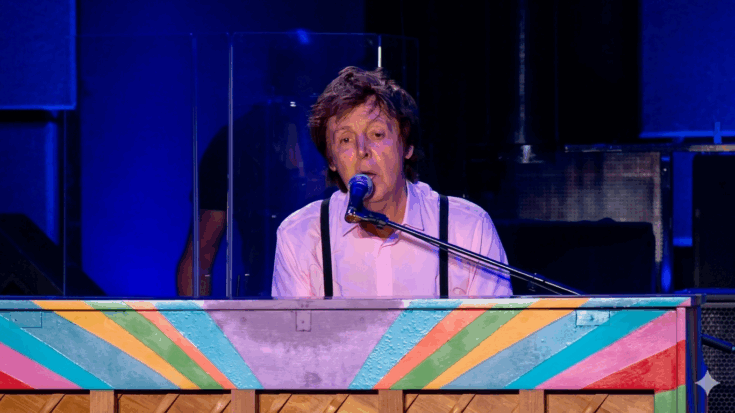
8. Paul McCartney – McCartney II
Release Date: May 1980 | Producer: Paul McCartney | Label: Parlophone
After years leading Wings, Paul McCartney returned to solo work and created one of the most playful albums of his career. Rather than chasing polished pop, he experimented with synthesizers, loops, and homemade sounds. The result was McCartney II, a record that felt loose, personal, and unpredictable.
At the time, some listeners were unsure what to make of it. Today, however, many consider it one of McCartney’s most adventurous releases. Songs like “Coming Up” still shine, while stranger tracks such as “Temporary Secretary” have gained cult status. Then there is the beautiful “Waterfalls,” which showcases his softer side. Each listen reveals how free and creative McCartney was when he followed his curiosity.
7. The Cure – The Top
Release Date: May 1984 | Producer: Robert Smith, Chris Parry, and David M. Allen | Label: Fiction
Robert Smith was incredibly busy in 1984. Between side projects and collaborations, he brought a tired and evolving version of The Cure into the studio to record The Top.
The result was colorful, strange, psychedelic, and difficult to define. It lacked the clear identity of some other Cure albums, which may explain why it is often overlooked. Yet that unpredictability is precisely what makes it special. While The Head on the Door would later bring the band greater success, The Top possesses a wild spirit of its own. Songs like “Bananafishbones” and “Dressing Up” grow stronger with time. Each revisit transforms the album from a forgotten detour into a hidden treasure.
6. Neil Young – Tonight’s the Night
Release Date: June 1975 | Producer: David Briggs, Neil Young, Tim Mulligan, and Elliot Mazer | Label: Reprise
This is not an album that is easy to love immediately. Neil Young recorded Tonight’s the Night while grieving the deaths of Crazy Horse guitarist Danny Whitten and roadie Bruce Berry, both lost to heroin addiction. That grief hangs over every track. Because of its raw emotion, the album remained unreleased for nearly two years.
On first listen, it can feel heavy and uncomfortable. Over time, however, that honesty becomes its greatest strength. Young sounds broken, human, and fearless. There is no hiding here. Every listen brings the audience closer to the truth within the songs. It remains one of the bravest records of his career.
5. Aphex Twin – Drukqs
Release Date: October 2001 | Producer: Aphex Twin | Label: Warp
During the 1990s, Aphex Twin seemed unstoppable. Richard D. James released a series of widely praised projects. Then came Drukqs, a sprawling double album that divided opinion.
Some critics found it too long and chaotic, while others felt it lacked focus. Those criticisms are understandable. However, listeners who stay with it often discover one of his richest works. The album shifts between delicate prepared-piano pieces and aggressive electronic compositions. “Avril 14th” gained fame for its beauty, while “QKThr” offers another softer highlight. Meanwhile, explosive tracks like “Afx237 v.7” and “Vordhosbn” showcase his technical brilliance. It can feel overwhelming at first, but each listen reveals another remarkable detail.
4. David Bowie – Lodger
Release Date: May 1979 | Producer: David Bowie and Tony Visconti | Label: RCA
Even dedicated David Bowie fans sometimes overlook Lodger. Positioned between the towering reputations of “Heroes” and Scary Monsters (and Super Creeps), it is easy to miss. Yet whenever Bowie collaborated with Brian Eno, something intriguing was bound to emerge.
Rather than repeating the colder tone of earlier albums, Lodger introduced world rhythms, art-rock experimentation, mutant disco grooves, and restless creativity. It may initially feel scattered, but repeated listens reveal its energy and inventiveness. Tracks like “DJ” grow sharper over time, while “African Night Flight” becomes increasingly daring. The album gradually transforms from an overlooked release into one of Bowie’s most compelling late-1970s statements.
3. SUNN O))) – Monoliths & Dimensions
Release Date: May 2009 | Producer: Mell Dettmer and Randall Dunn | Label: Southern Lord
This album can intimidate listeners within seconds. Its opening sounds are massive, slow, and overwhelming. SUNN O))) built their reputation on drone metal, and Monoliths & Dimensions can feel all-consuming.
Yet beneath that heaviness lies remarkable depth. With time, beauty begins to emerge—brass arrangements, ambient textures, jazz influences, and even classical elements rise from the darkness. What initially feels punishing gradually becomes hypnotic, then almost spiritual. Each listen uncovers another layer of its complex world. It is not just for metal fans; anyone interested in atmosphere, minimalism, or sonic exploration may find it rewarding.
2. Portishead – Third
Release Date: April 2008 | Producer: Portishead | Label: Island
Portishead rose to prominence through trip-hop but had no desire to repeat themselves. On Third, they pushed far beyond the sound of Dummy. Familiar scratches and smoky beats were replaced with post-punk tension, icy electronics, krautrock rhythms, and psychedelic textures.
This shift surprised many longtime fans. Initially, the album can feel distant and severe. However, once listeners adjust, its brilliance becomes undeniable. Beth Gibbons delivers a haunting performance, while the band explores new sonic territory with confidence. Over time, Third reveals itself as equal to—if not greater than—their earlier work.
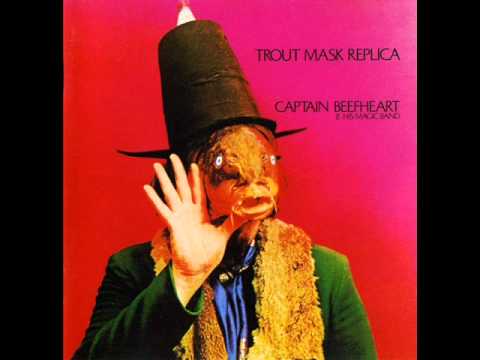
1. Captain Beefheart – Trout Mask Replica
Release Date: June 1969 | Producer: Frank Zappa | Label: Straight
No album embodies the “grower” experience better than Trout Mask Replica. Its reputation alone can be intimidating. Captain Beefheart and His Magic Band created something wild, chaotic, and deliberately challenging. Blues, rock, jazz, and surreal spoken passages collide in unconventional forms.
The first listen can feel incomprehensible. But patience changes everything. Gradually, rhythms begin to align, guitars reveal their logic, and hidden structures emerge from what once seemed like chaos. Beefheart’s eccentric vocals become integral to the design rather than a distraction. It may take several listens—perhaps many—but the payoff is undeniable. Once it clicks, the album feels unlike anything else in rock history. Difficult? Absolutely. Worth the effort? Without question.
Final Thoughts
Not every great album makes an immediate impact. Some demand trust, attention, and time. They challenge expectations and refuse to reveal their secrets too quickly.
That is precisely why they endure. These albums demonstrate that music can grow alongside the listener. What once sounded confusing may later feel brilliant; what seemed messy may become meaningful. Sometimes, the greatest records are not those that impress instantly, but those that continue to unfold, revealing new layers forever.