




On This Day in 1973: ‘The Dark Side of the Moon’ Hits No. 1 During Historic Chart Run

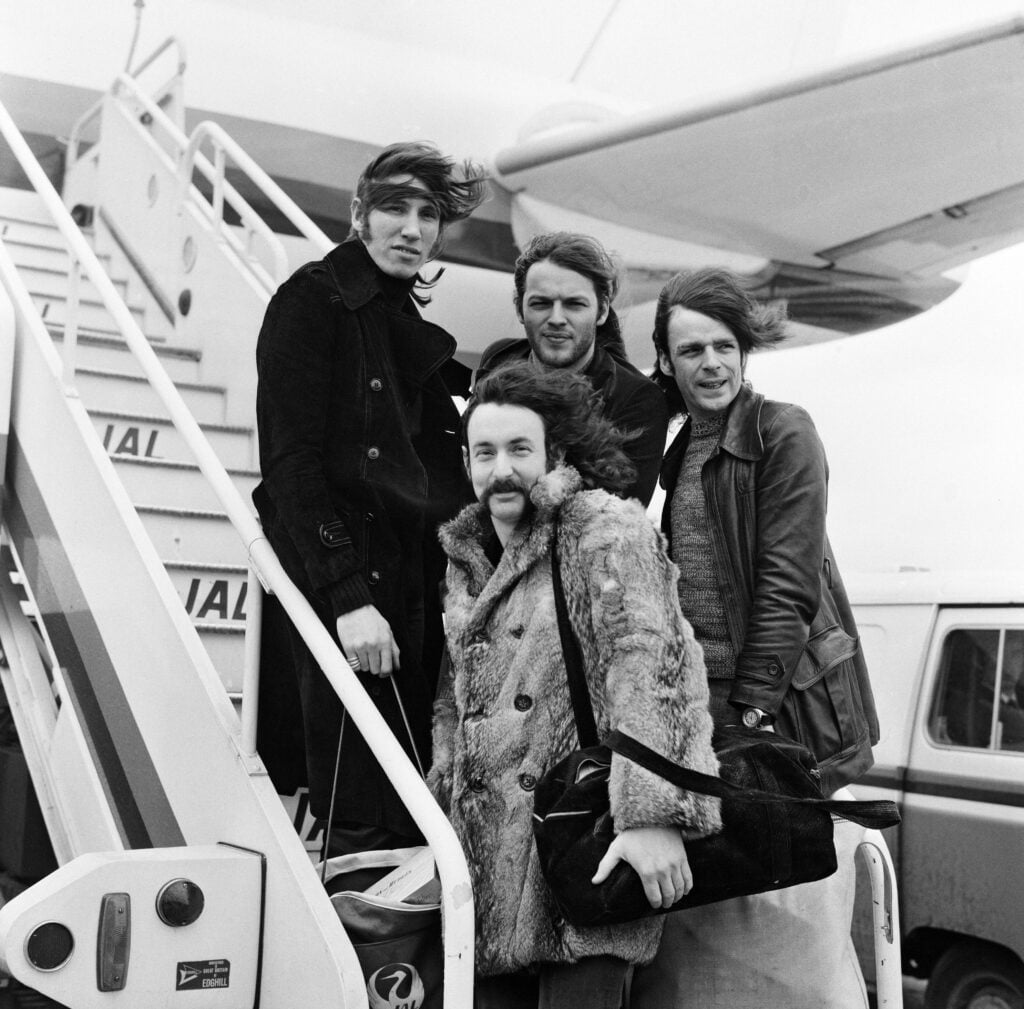
UNITED KINGDOM - CIRCA 1973: Pink Floyd, (L-R: Nick Mason, Dave Gilmour, Roger Waters and Rick Wright) pose for a publicity shot circa 1973. (Photo by Michael Ochs Archives/Getty Images)
Long before streaming numbers dominated music conversations, one album quietly rewrote what success looked like. When Pink Floyd released The Dark Side of the Moon in 1973, few could have predicted how far its reach would extend.
Its rise was not explosive in the usual sense. Instead, the record built momentum steadily, climbing charts while drawing listeners into its layered sound and reflective themes.
A Slow Rise to the Top
In the United States, the album eventually reached the No. 1 spot on the Billboard charts during its long run. That achievement marked a turning point, placing the band among the most important acts of the decade.
Unlike many releases that fade after a short burst of popularity, this one refused to disappear. It remained on the charts for years, setting a record for longevity that few albums have come close to matching.
Built on Experimentation
Part of that success came from how the music was created. The band spent months shaping the material in the studio at Abbey Road, working alongside engineer Alan Parsons. Songs were refined during live performances before being recorded, allowing ideas to evolve naturally.
The result blended rock with elements of jazz, electronic sound, and spoken-word segments. Themes explored pressure, time, money, and mental strain—topics that connected with a wide audience.
Sales figures tell only part of the story. Over time, the album became a constant presence in homes across America. At one point, estimates suggested that a significant portion of the U.S. population owned a copy.
Its influence stretched beyond charts. The cover design, featuring a prism splitting light into color, became one of the most recognized images in music history. That visual identity helped cement the album’s place in popular culture.

Endurance Across Decades
Even decades after its release, the album continued to appear on charts. Changes in Billboard rules allowed older records to return, and “The Dark Side of the Moon” reentered rankings years later, adding to its already massive total of charting weeks.
Sales also remained steady. Even in slower periods, thousands of copies still moved each week, proving that new generations kept discovering it.
What made this album different was its consistency. It did not rely on one hit single or a short-lived trend. Instead, it offered a complete listening experience that encouraged repeat plays.
That steady appeal turned a single chart-topping moment into something much larger. When it hit No. 1 in 1973, it was only the beginning of a record-breaking run that would stretch across decades and reshape expectations for how long an album could truly last.