




What Peter Criss Really Felt During KISS Reunion
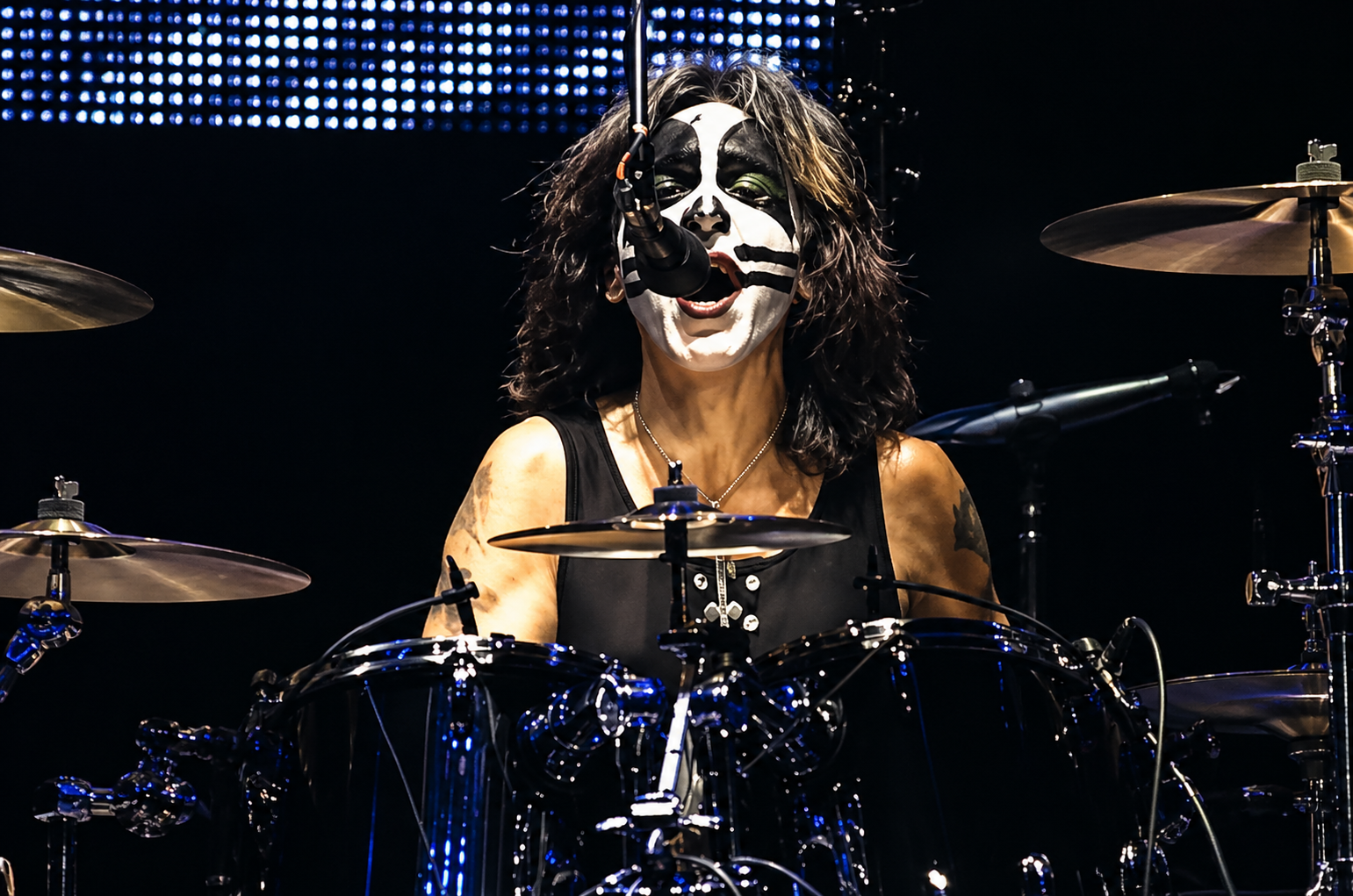
via "kissfan777" / Youtube
In a revealing interview with Detroit radio host Meltdown, Peter Criss revisited the unlikely chain of events that led to KISS’s monumental 1996 reunion tour. At the time, Criss and Ace Frehley were on their own “Bad Boys Tour,” performing in modest venues far removed from the band’s former arena dominance.
“It was hard times,” Criss admitted. “We weren’t playing stadiums. We were playing, like, 500 seaters, and we were missing it — we were really missing the life.”
Meanwhile, the then-current KISS lineup was also struggling to maintain its footing, often appearing at fan conventions rather than major stages. When the original members came together to rehearse for the 1995 MTV Unplugged taping, Criss immediately sensed something deeper at play.
“I looked at Gene’s eyes, and all I saw was ‘ka-ching, ka-ching, ka-ching’ rolling around in his eyeballs,” he said. “And I realized we still sounded amazing — we still sounded so good. The magic was still there.”
Fans Demand the Original Lineup
The Unplugged performance became a turning point—not just musically, but culturally. During the show, sections of the audience openly rejected then-members Eric Singer and Bruce Kulick, making their desire for the original lineup unmistakably clear.
Criss recalled the moment vividly:
“The funny thing is when we were playing at the ‘MTV Unplugged’ event, [fans] were booing Eric and Bruce. And Ace was, like, ‘Ah, shut up. They’re part of the family.’ But the fans… they wanted the band back.”
Just two weeks later, Criss received a call from longtime manager Doc McGhee with an ambitious proposal—to reunite the original band for a global tour that was already projected to sell out years in advance.
“I already know for a fact you already sold out two years, and it’s gonna be around the world twice,” McGhee told him. “Jet, all the perks, all the good stuff.”
Criss was stunned. “You’re kidding me,” he remembered thinking.
Rebuilding the Machine—and Facing Old Patterns
Determined to rise to the occasion, Criss immersed himself in preparation. He trained rigorously, both physically and musically, to reclaim the precision and presence that defined KISS in its prime.
“I had to relearn all the KISS stuff that I hadn’t played in 17 years,” he explained. “I would get up in the morning and go to the gym… I would go and have a drum coach. We’d work out for an hour. Then we’d go to rehearsal. And then I’d go home and watch old KISS movies… So it was a lot of work, man. But it was worth it.”
When the reunion was officially announced aboard the USS Intrepid, the band experienced a moment that felt almost surreal.
“We looked in the mirror… it was like time stood still,” Criss said. “We looked the same. It looked like we were ageless… We just looked at one another and said, ‘This is gonna be so good.’”
The reunion era would last eight years, restoring KISS to stadium-level success during tours like Psycho Circus. But as history had shown, internal tensions proved difficult to escape.
“It again got crazy, as it always does in bands,” Criss reflected. “Sometimes you can’t change the spots on a leopard… Ace and I kind of ducked out again and said, ‘I just don’t want a part of this anymore.’ But for those eight years… it was good. It was [KISS being] back in stadiums.”
Criss, who originally left KISS in 1980, would go on to pursue solo work and occasional reunions, including a final run in 2004. Beyond his drumming, he remained a defining voice of the band, delivering lead vocals on classics like “Beth,” “Black Diamond,” and “Hard Luck Woman.”
His last appearance alongside the original lineup came during KISS’s 2014 Rock and Roll Hall of Fame induction, though the band did not perform. More recently, Criss, Paul Stanley, and Gene Simmons were honored at the Kennedy Center in December 2025.
Following the death of Frehley in October 2025 at age 74, Criss closed another chapter of the band’s storied history. Yet he continues to move forward creatively, releasing his latest solo album, Peter Criss, in late 2025—his first new record since 2007’s One For All—proving that even decades after KISS’s peak, the Catman’s voice still resonates.