




Why Fans Hated This Grateful Dead Song Live
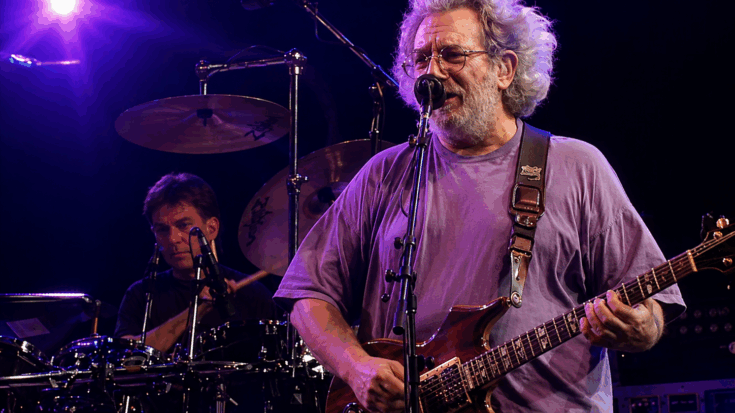
via "Grateful Dead" / Youtube
Few fanbases in rock history have matched the intensity of those surrounding the Grateful Dead. Known as Deadheads, these followers became synonymous with unwavering loyalty, helping elevate the band into one of the most culturally significant acts of their era. Their passion, however, extended far beyond typical fandom. What formed around the Dead was less a community and more a full-fledged subculture—one that shaped identity, lifestyle, and worldview.
This level of immersion came with its own tensions. While the band’s freeform, improvisational ethos encouraged participation, it also blurred the line between admiration and expectation. Some fans began to feel a sense of ownership over the group’s direction, believing they had a say in what the Dead should represent. As the band evolved, even minor shifts in tone or message risked being interpreted as a betrayal, exposing the fragile balance between artist and audience.
Life on the Road: When Fandom Became Identity
Deadheads came from all walks of life, but a particular archetype emerged: the nomadic superfan who followed the band from city to city. Often labeled “Dead Freaks,” these devotees embraced an alternative lifestyle, selling goods on Shakedown Street and avoiding conventional routines like steady employment. For them, the Grateful Dead was not just a band—it was a way of life.
The band occasionally encouraged this free-spirited culture, but its rapid growth became difficult to manage. By the late 1980s, concerts were drawing massive crowds, with thousands gathering outside venues to participate in parties, tailgates, and various illicit activities. Despite performing in stadiums, the scene beyond the gates often took on a life of its own. Efforts by the band to regulate vending and camping proved largely ineffective, as the traveling circus surrounding the Dead continued to expand.
“Keep Your Day Job”: A Rare Rift With the Faithful
Lyricist Robert Hunter maintained a complicated relationship with the Deadhead community. While he expressed gratitude for their embrace of his work, he grew increasingly uneasy with those who had fully detached from mainstream society in favor of a perpetual life on the road. His frustration culminated in the song “Keep Your Day Job,” a stark departure from his typically poetic style.
The message was unmistakably direct: “Ring that bell for whatever it’s worth / When Monday comes don’t forget about work.” Hunter’s tone sharpened further with the line, “If you ask me, which I know you don’t / I’d tell you to do what I know you won’t.” The song appeared to critique fans who had embraced an unstructured, party-driven existence—an audience that had long viewed his lyrics as a source of inspiration rather than admonition.
The response was swift and divisive. Within the band’s inner circle, not everyone agreed with Hunter’s stance. Fellow lyricist John Perry Barlow pushed back on the idea of prescribing behavior, stating, “I mean, the whole point with the Grateful Dead was that we didn’t tell anyone to do nothing.” Frontman Jerry Garcia echoed that sentiment, adding:
“Just the idea is repellant. The idea that we’re gonna now start telling people how to behave. I mean, we’re not the government, you know? We’re just musicians.”
Ultimately, the fans had the final say. “Keep Your Day Job” was performed just over 50 times between 1982 and 1986 before being quietly retired. In A Box of Rain, Hunter later offered a blunt explanation:
“This song was dropped from the Grateful Dead repertoire at the request of fans. Seriously.”
In a catalog celebrated for its depth and near-universal admiration, the track remains an anomaly—one of the rare instances where the bond between the Grateful Dead and their audience showed visible strain.