


Which Eagles Member Did Don Henley Call The Most Soulful?
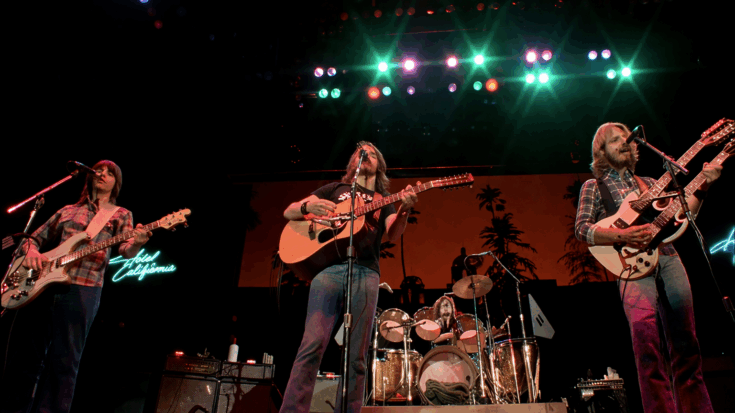
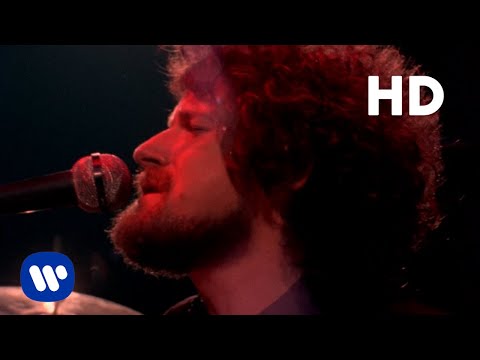
via "Eagles" / Youtube
When discussing the enduring legacy of the Eagles, their sound is more often associated with polished harmonies and California rock than with traditional soul. Yet for Don Henley, the band’s emotional depth was never confined to vocal delivery alone—it was embedded in the instrumentation, particularly in the guitars.
A Different Kind of Soul
During the 1970s, soul music flourished through the output of Motown and Stax Records, propelled by voices like David Ruffin and Teddy Pendergrass. Henley, however, never positioned himself within that vocal lineage. While widely respected as a singer, he believed the band’s “soul” was rooted elsewhere—specifically in the textures and interplay of their guitar work.
From the opening acoustic strum of “Take It Easy” to the iconic dual leads of “Hotel California,” the Eagles built a signature sound that leaned heavily on string arrangements. Even so, Henley admitted it took time for him to fully grasp the significance of what the band had achieved musically.
Glenn Frey: The Subtle Architect
Henley was quick to acknowledge that he was not in the same league as guitarists like Don Felder or Joe Walsh, while Bernie Leadon brought remarkable versatility to the group. What Henley valued most, however, was not virtuosity, but feel—and that was where Glenn Frey stood out.
With a background that included early piano training before relocating to Los Angeles, Frey approached guitar with a strong sense of musical structure and intuition. Henley regarded him as a crucial creative partner, someone who could instinctively translate ideas into something more expressive and complete.
Reflecting on Frey’s playing, Henley said:
“Glenn stuck with getting great rhythm and lead sounds out of that one guitar, that single operational pickup and, usually, one small amp. His rhythm playing was chunky and funky; his leads, if not the most technically proficient, were always imaginative, melodic. They were soulful and memorable.”
The Power of Rhythm
Although Frey was rarely the most technically dazzling player in the band, his contribution proved essential to the Eagles’ identity. Over time, his musicianship evolved, as heard in later releases like Long Road Out of Eden. Even alongside a player of Walsh’s caliber, Frey continued refining his approach, emphasizing melody and groove over flash.
His role as a rhythm guitarist anchored the band’s sound, much in the same way Keith Richards did for The Rolling Stones. Whether driving the urgency of “Life in the Fast Lane” or shaping the relaxed sway of “Tequila Sunrise,” Frey’s playing consistently injected character into the music.
Despite often working within simple chord structures, Frey’s instinct and dedication allowed him to leave a lasting imprint on every track. His style demonstrated that technical complexity was never a prerequisite for impact—what mattered was feel, intention, and the ability to serve the song.