




Nirvana Tour Trouble Nobody Talks About
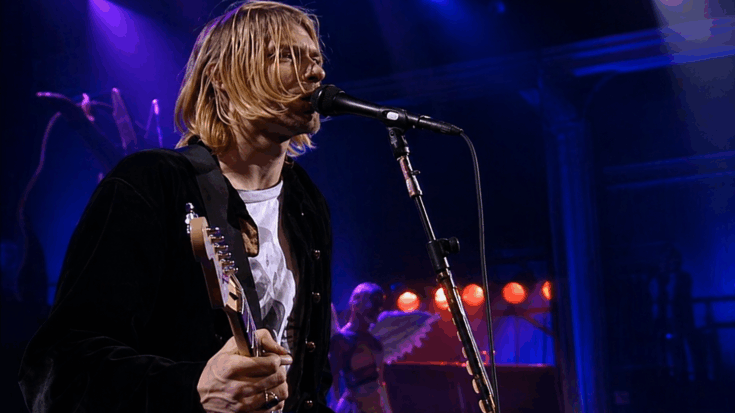
via "Nirvana" / Youtube
At its core, the grunge movement was never about excess or aspiration toward rock stardom. Bands emerging from the Pacific Northwest rejected the glossy image of fame, favoring authenticity and artistic integrity over commercial ambition. Even modest comforts felt secondary to maintaining credibility within a fiercely independent scene.
That philosophy began to shift, however, as groups found themselves sharing stages with Nirvana. Their meteoric rise signaled a turning point—not just for themselves, but for the entire alternative landscape. Suddenly, the underground was no longer insulated from mainstream attention.
Though widely positioned as the face of the movement, Kurt Cobain never fully embraced that role. Grunge had never been a clearly defined genre until “Smells Like Teen Spirit” catapulted it into global consciousness. In its wake, audiences attempted to box the scene into a singular aesthetic—flannel, boots, and brooding introspection—despite its inherent diversity.
A Scene Too Diverse for One Label
The so-called “Big Four” of grunge only reinforced how misleading that label could be. Soundgarden brought a sweeping, almost art-rock sensibility; Pearl Jam leaned into classic rock traditions; and Alice in Chains delivered a heavier, metal-influenced sound. The notion of a unified style was more myth than reality.
Cobain himself remained rooted in punk ideals. Nirvana’s music thrived on simplicity—stripped-down chord structures paired with visceral emotion. His disdain for corporate excess and mainstream rock culture placed him closer in spirit to bands like Mudhoney, whose raw, unpolished approach helped define the early scene.
That shared ethos made Mudhoney’s involvement in Nirvana’s In Utero tour appear like a natural alignment. But the reality proved far more complicated.
Touring the Machine
Mudhoney frontman Mark Arm offered a stark recollection of the experience, describing a band that had become unrecognizable amid its own success.
“We did the first few weeks of the In Utero tour in the States, and by this time, Nirvana was a big machine, and that tour was fucking painful. They had surrounded themselves with so many gross management people. Just sick gross people that I would never want to associate myself with in any kind of relationship, and this was the same band that came through Sub Pop and punk rock roots.”
Arm’s criticism captured the unease felt by many within the scene as grunge collided with mainstream infrastructure. Yet the reality surrounding Nirvana was more complex. Cobain remained deeply conflicted, but the band’s immense visibility demanded layers of management and security simply to function under constant public scrutiny.
The tension between independence and survival became unavoidable. What once defined grunge—its resistance to commercialization—was now challenged by the practical demands of global success. For Cobain, this dissonance was particularly acute, underscoring the realization that fame could not deliver the fulfillment it promised.
In the end, Mudhoney’s experience on that tour reflected a broader shift within alternative music. As the underground collided with the mainstream, the movement faced a difficult question: could it retain its identity while operating inside the very system it once rejected?