




Hollywood Mourns the Loss of Mariclare Costello
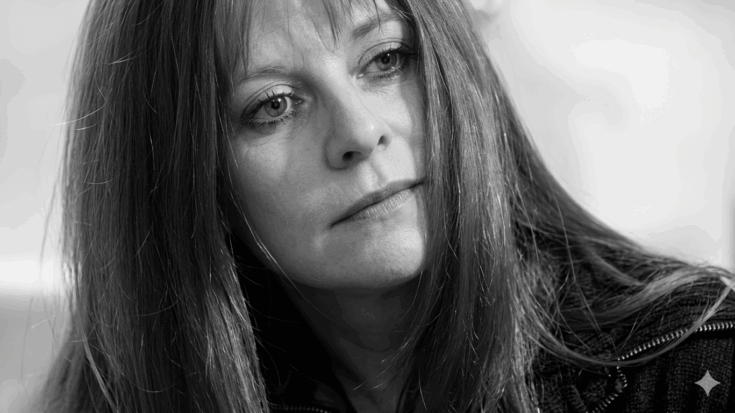
via "Daniel McLaughlin" / Youtube
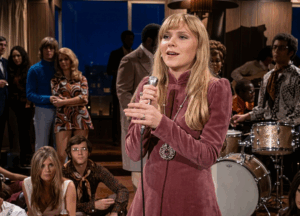
Mariclare Costello, a versatile actress whose work spanned television, film, and stage, has died at the age of 90. Best remembered for her role as Rosemary Hunter on The Waltons, Costello’s career reflected a quiet consistency that earned her a lasting place in classic television history.
A Familiar Face on Screen
According to her family, Costello “passed away April 17 in Brooklyn,” marking the end of a career that stretched across decades. While her appearances were often understated, they carried a warmth and depth that resonated with audiences. Her portrayal of the compassionate schoolteacher Rosemary Hunter made her a recognizable and beloved presence on The Waltons, appearing in 15 episodes during the show’s run.
Beyond that role, Costello demonstrated range in projects like the 1971 cult horror film Let’s Scare Jessica to Death and the ABC telefilm The Execution of Private Slovik, where she starred opposite Martin Sheen. These performances revealed an actress capable of moving fluidly between genres.
From Broadway to Primetime
Long before becoming a television regular, Costello honed her craft on Broadway throughout the 1960s and 1970s. That stage experience translated into a grounded, confident screen presence. She later took on another notable role as the matriarch in the CBS drama The Fitzpatricks, further cementing her reputation as a dependable character actor.
Her career may not have been defined by headline-grabbing roles, but it was marked by steady, meaningful contributions to ensemble storytelling.
A Life Beyond the Spotlight
Costello was married to Allan Arbus, known for MASH*, until his death in 2013. Together, they shared a life connected to the arts, even as they maintained a relatively private profile.
Though she has passed, Costello’s work continues to echo through reruns and archival performances, offering a reminder of an era when character actors shaped the emotional backbone of television. Her legacy endures not in spectacle, but in the quiet authenticity she brought to every role—a presence that, for many viewers, still feels unmistakably alive.