





John Lennon Was Let Down by This 1967 Recording
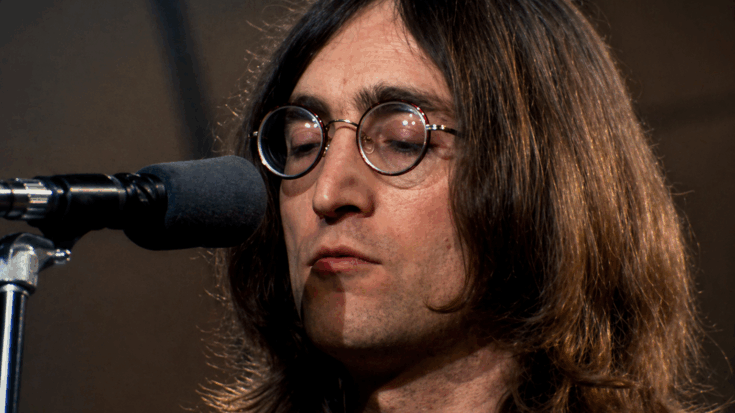
via "ABKCOVEVO" / Youtube
For someone so central to the creation of modern pop music, George Martin remains, in many ways, an underappreciated figure. While The Beatles commanded global hysteria, Martin operated behind the scenes, shaping their recordings with a precision that would become foundational to their legacy. His production instincts—knowing when to embellish, when to restrain, and when to challenge—helped transform a promising band into a groundbreaking force.
Yet the partnership did not begin with immediate admiration. When Martin first encountered the young musicians from Liverpool, he was far from convinced. Their early songwriting lacked refinement, and their initial material did little to suggest the revolution they would later ignite. Even as their skills sharpened, persuading him of the potential in songs like “Please Please Me” proved to be an uphill battle.
Experimentation, Doubt, and a Defining Track
By the time the band entered the studio to record Revolver, everything had changed. The sessions marked a turning point, with tracks like “Tomorrow Never Knows” pushing the boundaries of what pop music could be. It was during this period that John Lennon emerged as both visionary and critic, often questioning the very work he helped create.
That tension was especially evident in the making of “Strawberry Fields Forever.” Despite its eventual acclaim, Lennon remained dissatisfied with the final result—a sentiment that deeply affected Martin. Known for his exacting standards, Lennon’s critique lingered, leaving Martin to wonder whether he had failed to fully realize the song’s potential.
Revisiting the Past Through LOVE
Years later, Martin returned to the track while working on LOVE, viewing it as an opportunity to revisit and refine what he once considered unfinished. Reflecting on the original sessions, he explained:
“The song went through a few changes, and we recorded it more than once, eventually combining two completely different versions, in different keys and different tempos. I love the song to this day, but John told me many years later that he was never really satisfied with it and I felt that in its recording I had let him down. I hope he has forgiven me.”
The reimagined version unfolds like a sonic collage, opening with an intimate acoustic fragment before expanding into a layered reconstruction of the familiar recording. This approach mirrors the song’s dreamlike narrative, a psychedelic meditation on Lennon’s childhood that feels even more immersive through modern production techniques.
Whether Lennon would have embraced this reinterpretation remains uncertain. What is clear, however, is the shift it represents. In revisiting “Strawberry Fields Forever,” Martin stepped back from his role as mentor and, instead, followed the creative path Lennon had once carved—piecing together a vision guided not by instruction, but by memory.