




Bruce Springsteen Tops Charts With Low-Key Release of New MN Track
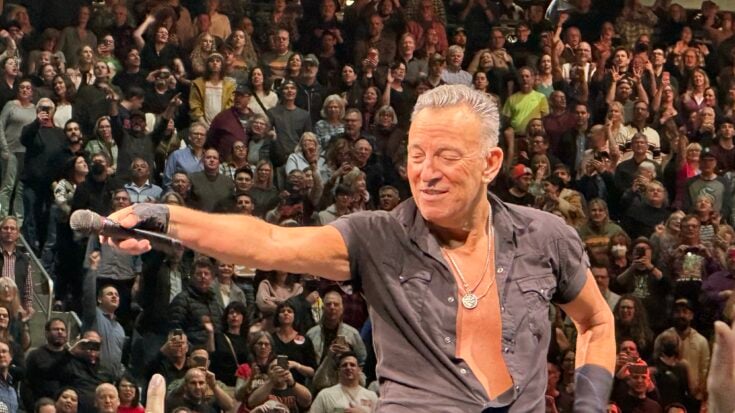
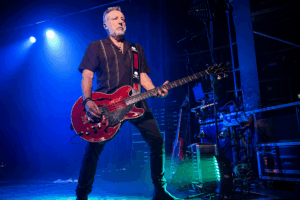
Photo by Dharmabumstead, CC BY-SA 4.0, via Wikimedia Commons
Bruce Springsteen has long been known for blending music with social themes. His new track, “Streets of Minneapolis,” has drawn attention far beyond his usual audience. The song debuted at No. 1 on the Billboard Digital Song Sales chart after being available for only two days in its first tracking week. That result is unusual for any release, especially a protest song that arrived without a major marketing campaign.
The single came out on January 28, 2026, with little warning. It was written and recorded in just a few days. The subject matter centers on violent events in Minneapolis, Minnesota. By addressing federal agencies, political leadership, and real-world loss, Springsteen placed the track in the middle of a national discussion about art, politics, and justice.
A Song Written in Urgent Circumstances
Springsteen created “Streets of Minneapolis” in response to the fatal shootings of Renée Good and Alex Pretti. Reports said the two residents were killed by agents from U.S. Immigration and Customs Enforcement during a period of stepped-up enforcement in the city. Springsteen wrote the song on January 24, recorded it on January 27, and released it the next day.
This fast process reflects how he has handled serious topics before. In earlier years, he released “American Skin (41 Shots),” which addressed police violence. He has also written about job loss and working-class life. In this case, he focused on what he and many protesters described as state terror, a phrase he used in posts and interviews about the situation.
Lyrics and Direct Language
The lyrics of “Streets of Minneapolis” name the victims and describe the cold streets where the shootings took place. The song paints scenes of grief, protest, and tension. It also includes a sharp line aimed at federal power, calling authorities “King Trump’s private army from the DHS.” That wording shows how direct the song is in its message.
Springsteen also refers to chants heard at protests, including “ICE out.” These lines place the track clearly within the debate over immigration policy and law enforcement. The tone is plain and emotional rather than symbolic. Listeners do not have to guess what the song is about.
Strong Chart Debut
Even with its heavy theme, “Streets of Minneapolis” rose quickly on the charts. It sold about 16,000 downloads in its first partial week. That made it Springsteen’s first No. 1 on the Billboard Digital Song Sales chart. Protest songs rarely reach that position in today’s music market, which is driven by streaming and pop promotion.
The song also appeared on other rankings, including the Hot Rock & Alternative Songs chart. Early streaming and airplay numbers helped push it there. The strong start suggests that many listeners were interested in both the artist and the issue he addressed.
First Live Performance
Springsteen performed the track live for the first time on January 30 at a benefit concert in Minneapolis organized by Tom Morello. His appearance was not listed ahead of time. When he took the stage, the crowd reacted with surprise and focus. The performance linked the song to a larger event meant to support community groups and raise awareness.
Before the official release, Springsteen had spoken about the events in Minneapolis at another concert. In New Jersey, he dedicated “The Promised Land” to Renée Good and called for ICE to leave the city. These actions showed that his public comments and his music were aligned.
View this post on Instagram
Political Reaction and Debate
The song’s message has drawn criticism from political figures connected to the Trump administration. Some described the track as “irrelevant,” saying it presents a false picture of recent events. Officials from the White House defended ICE and DHS actions, stating they were lawful enforcement efforts, not state terror.
This disagreement reflects a wider divide in the country. Supporters see Springsteen’s work as a strong artistic voice on justice and human rights. Critics view it as partisan speech that goes too far for mainstream music. The song has become part of the argument itself, not just a soundtrack to it.
Springsteen’s History With Protest Music
Springsteen has a long record of addressing social issues in his songs. From stories of factory closures to tracks about policing and inequality, he has often used plain language to talk about American life. “Streets of Minneapolis” fits into that pattern while focusing on a current event.
Releasing a song written and recorded within days shows how quickly music can respond to news. The chart result indicates that many people are still listening when artists speak on public matters. Even in a media world shaped by short clips and online feeds, a full song can still enter the national conversation.