




How John Bonham Turned ‘Moby Dick’ Into Rock’s Most Iconic Drum Solo
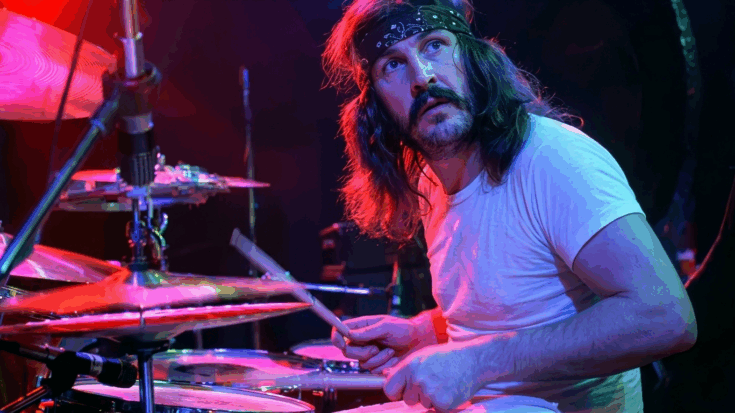
When rock concerts reached their peak in the 1970s, audiences often waited for one moment above all others—the drum solo. Among those, one performance rose far beyond the rest. It came from John Bonham, whose explosive playing helped define what rock percussion could achieve on stage.
Unlike many of his peers, Bonham did not rely only on speed or volume. His style blended influences from jazz and big band traditions, creating a powerful yet controlled sound. That mix allowed him to push boundaries while still keeping a deep sense of rhythm that anchored every performance.
A Song Built for One Man
The track that showcased this ability best was “Moby Dick,” featured on Led Zeppelin II. Rather than focusing on vocals or guitar, the piece gave the spotlight almost entirely to the drums. As the other members of Led Zeppelin stepped back, Bonham took over with a long, evolving solo.
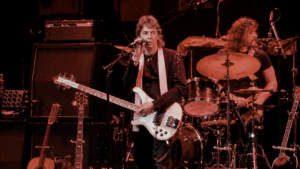
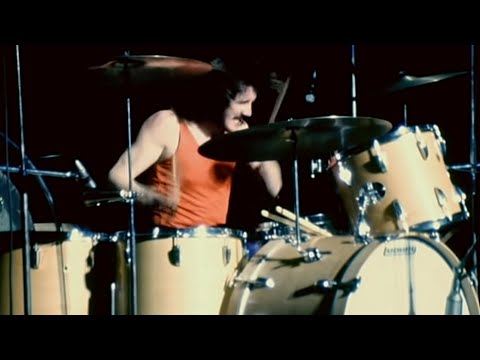
In live shows, this section stretched far beyond its studio version. Performances often lasted close to twenty minutes, turning the piece into a physical and musical challenge. He moved between snare, toms, and even hand-played sections, maintaining precision without losing intensity.
Live Performances That Became Legend
Concertgoers quickly learned that “Moby Dick” was not just another song. It became a highlight people expected and talked about long after the show ended. One widely remembered example took place at Led Zeppelin Royal Albert Hall concert 1970, where Bonham’s extended solo drew massive attention.
This kind of display helped shape the band’s reputation during a time when long instrumental sections were becoming more common. Even though the track was never released as a single, it played a role in pushing the album to the top of the Billboard 200, marking an important milestone in their rise.
Technique Shaped by Earlier Sounds
Bonham’s approach did not appear out of nowhere. He drew ideas from drummers such as Buddy Rich and Gene Krupa, along with other performers who emphasized rhythm and showmanship. These influences helped him build a style that felt both traditional and new.
Observers often pointed to his bass drum work as a defining feature. Jimi Hendrix once described his playing by noting he had “a foot like a rabbit,” highlighting the speed and control he achieved. That ability gave his performances a driving force that set him apart from others on stage.
Lasting Influence on Future Drummers
Musicians who followed continued to study his methods. Nicko McBrain described him as a major innovator, especially in developing fast bass drum techniques. His mix of power, timing, and visual flair left a strong impression on later generations.
Even today, “Moby Dick” remains a reference point for what a drum solo can be. It is remembered not just for its length, but for how it redefined expectations of live performance and musical endurance.