




On This Day in 1966: John Lennon Tells London Paper The Beatles Are “More Popular Than Jesus” — U.S. Outrage Ensues
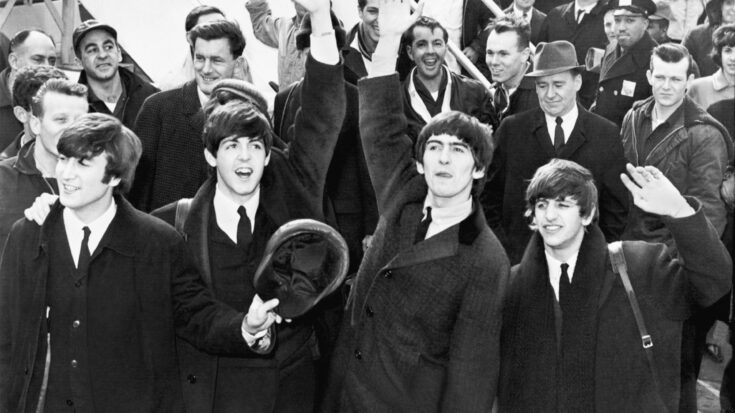
Photo by United Press International, photographer unknown, Public domain, via Wikimedia Commons
A Remarkable Interview in London
On March 4, 1966, John Lennon made a comment in an interview for The London Evening Standard that would later spark one of the most explosive controversies of his career. In a wide‑ranging conversation about fame, culture, and youth, Lennon was asked to reflect on The Beatles’ place in society. In a moment that was meant to express his amazement at the band’s global reach, he said, “We’re more popular than Jesus now.”
At the time, the article that contained this remark was published without major reaction in the United Kingdom. British readers noted Lennon’s words, but the comment did not provoke widespread upset. In the mid‑1960s, The Beatles were already a major part of British life, filling concert halls and dominating the charts. Lennon’s comparison was seen by many at home as another bold claim from a band constantly pushing boundaries.
The Interview’s Wider Context
The full interview with journalist Maureen Cleave covered topics ranging from music and fashion to changes in society. Lennon was discussing how young people were defining themselves in ways that differed from previous generations. He pointed out that traditional authorities, including religious institutions, were not as central to youth culture as they once had been. For Lennon, his comment was a reflection of changing social attitudes rather than a deliberate attack on faith.
At that moment, The Beatles were at the height of their fame. They had just released Rubber Soul and were preparing to record Revolver, albums that would expand their artistic reputation. Even in the United Kingdom, fans and critics sometimes reacted strongly to the band’s statements, but nothing had yet matched the intensity of what would unfold months later across the Atlantic.
View this post on Instagram
U.S. Reprint and Immediate Backlash
The comment remained relatively quiet until later in 1966 when Datebook, a teen magazine in the United States, chose to reprint Lennon’s remark as a headline in August. This was during a period when Beatlemania was still strong in America, and the band was touring the country. When readers saw the line “More popular than Jesus,” reactions varied widely from confusion to deep offense.
Many communities in the American South reacted with anger. Radio stations stopped playing Beatles records in protest. Some DJs organized public burnings of their albums and singles. Newspaper editorials and letters to the editor condemned what was seen as disrespect to Christian faith. In some towns, crowds demonstrated outside stores that sold Beatles records, chanting and holding signs that rejected the comparison.
Lennon’s Response and Aftermath
Lennon quickly realized the depth of the reaction and felt compelled to address it. He issued a statement clarifying his meaning and apologizing to those who were hurt. Lennon explained that he was not attacking religion or faith but commenting on how youth culture had shifted its attention toward popular music and away from traditional institutions.
“I’m not anti‑God,” Lennon said at the time. “I was not saying we were greater or better.” Despite his words, the controversy continued to affect the band’s U.S. appearances. The group faced cancellations and hostility at some tour locations, including threats to safety. The situation marked one of the first times popular music clashed directly with religious sentiment in modern media.
Historians later saw the episode as a defining moment in how rock stars’ public comments could influence cultural debate. Lennon’s remark and the reaction to it showed both the power and the risk of celebrity influence during a time of social change.