




Little-Known Facts About Pink Floyd’s Dark Side Of The Moon
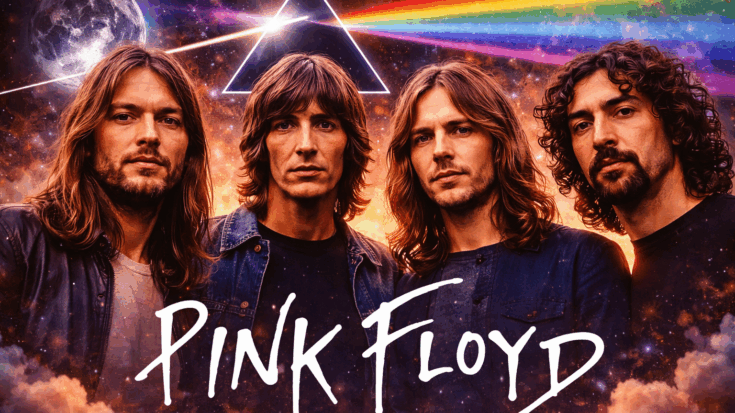
Pink Floyd didn’t just put out another rock album when they released The Dark Side of the Moon in 1973. They made a strong, emotive, and somewhat perplexing statement about existence itself. The album dealt with serious issues like the passage of time, mental health struggles, greed, fear, and death, yet somehow turned them into songs that millions of listeners wanted to hear over and over again.
By the early 1970s, Pink Floyd had come a long way from their psychedelic pop days. After original lead singer Syd Barrett left, bassist Roger Waters and guitarist David Gilmour helped guide the band toward more experimental and deeper music. Their 1971 album Meddle hinted at the big plans they had. But The Dark Side of the Moon would elevate things to a whole new level.
More than 50 years later, it remains one of the most talked-about and best-selling albums of all time. The story of how it was made is just as fascinating as the music itself.
1. From a Stage Experiment to a Studio Masterpiece
The Dark Side of the Moon started as a rough live project before it became a worldwide hit. The band spent more than two weeks in a London studio in 1971 assembling older musical ideas. The first working title was Eclipse, and Roger Waters was already developing the idea of a single piece centered on the pressures of modern life.
The band didn’t want to write random songs; they wanted everything to be connected. Stress, money, conflict, and time would all come together to form one unified concept. That was a bold idea for a rock band at the time.
They took this unfinished project on tour under the extended title Dark Side of the Moon—A Piece for Assorted Lunatics. The shows featured large lighting setups and sound effects. However, the first performance ran into major technical problems, and the band had to end the set early when equipment failed. It was embarrassing, but it pushed them to improve the material.
Instead of abandoning the concept, they kept developing it during live performances. Songs evolved and grew larger. Waters even added the song “Eclipse” late in the process because he felt the album needed a stronger ending. By the time they entered the studio to record the final version, the material had already been tested in front of audiences. It was during this period of live rehearsal that the album’s tight structure truly came together.
2. A Rare Moment of Calm in the Band
Pink Floyd had already experienced plenty of artistic disagreements and personal tensions. But while making The Dark Side of the Moon, something unusual happened: they got along well.
The album was recorded in early 1973 at Abbey Road Studios, the same legendary studio made famous by The Beatles. Despite the heavy subject matter of the songs, the atmosphere in the studio was surprisingly positive.
Keyboardist Richard Wright later said the sessions were open and collaborative. Drummer Nick Mason also recalled how carefully the band discussed the album’s structure to ensure it felt like a single, continuous statement. Everyone contributed ideas, and everyone was present in the process.
That unity wouldn’t last forever. Over time, disagreements would grow into major conflicts. But during these sessions, Pink Floyd felt more connected than they had in years.
3. The Voice That Made Everything Different
One of the album’s most powerful moments comes in “The Great Gig in the Sky.” The track contains almost no traditional lyrics. Instead, it builds around a soaring, wordless vocal performance that sounds like pure emotion being released.
That unforgettable voice belonged to Clare Torry.
When the band realized they needed a strong female vocal for the track, engineer Alan Parsons brought Torry in for the session. She was given only a chord progression and basic instructions. Instead of singing conventional lines, she decided to use her voice like an instrument, improvising dramatic runs that matched the mood of the music.
She recorded her part in just a few takes. At the time, she was paid a standard session fee and was not credited as a songwriter. Years later, she argued that her improvisation had significantly shaped the final composition. In 2004, she took legal action seeking official recognition. The dispute ended with a private settlement, and Torry was eventually credited alongside Richard Wright as a co-writer.
Today, it is almost impossible to imagine the song without her performance. It remains one of the album’s most unforgettable moments.
4. Studio Tricks That Went Too Far
In the early 1970s, there were no digital tools available. If Pink Floyd wanted strange or futuristic sounds, they had to invent ways to create them. Engineer Alan Parsons played a key role in turning the band’s ideas into reality.
For the track “On the Run,” the band experimented with tape loops and an early synthesizer known as the EMS VCS3. The final result sounded futuristic and slightly unsettling, perfectly matching the album’s themes of anxiety and travel stress.
They also created unusual effects by reversing tape recordings and running multiple machines at once to produce echo and delay. On “Us and Them,” several tape machines were used simultaneously to produce rich vocal echoes. The process required patience and careful experimentation.
The famous opening of “Money” was constructed entirely from real-world sounds. Coins were recorded, cash register samples were taken from a sound library, and paper was torn in front of microphones. The band even drilled holes into coins and strung them together to create rhythmic tape loops. It was a process that required both hands-on effort and creativity.
These experimental techniques helped give the album its distinctive sound, inspiring countless artists in the years that followed.
5. The Shadow of Syd Barrett
Although Syd Barrett had left the band years earlier, his presence still lingered. The group had moved forward without him because of his struggles with mental health and heavy drug use. It had been a painful and difficult decision.
Some of those emotions appear to echo in the song “Brain Damage.” The piece was originally written during the Meddle sessions and later found its place on this album. The lyrics explore the fragility of the human mind and the thin line between sanity and madness.
The band never officially confirmed that the song was about Barrett, but many fans believe it reflects his story. Watching a close friend go through such a difficult decline clearly left a deep impact on the other members.
6. Real People, Real Voices
One unusual feature of The Dark Side of the Moon is its use of spoken-word segments throughout the album. The voices heard on the record were not actors. They were real people discussing life, violence, fear, and death.
The idea came from Roger Waters. He handed out cards with questions to friends, studio staff, and members of the band’s road crew. The answers were honest and sometimes brutally direct.
Paul and Linda McCartney were even interviewed while recording nearby with Wings. However, their responses were ultimately left out because Waters felt they didn’t fit the serious tone of the album.
These voice snippets gave the record a deeply human element. Instead of sounding abstract, it felt grounded in real experiences and emotions.
7. The Cover That Became a Symbol
The album’s cover is simple yet unforgettable: a beam of white light passes through a prism and emerges as a rainbow against a black background.
Designer Storm Thorgerson created the image after hearing early versions of the music. The band wanted something clean and striking, without photographs or elaborate graphics. Thorgerson drew inspiration from Pink Floyd’s elaborate stage light shows and the album’s themes of clarity and complexity.
The prism symbolized how a single beam of light can break into many colors, much like how human experiences and emotions can split into countless different feelings. The design immediately stood out and has since become one of the most recognizable album covers in music history.
8. A Run That Set a Record
When The Dark Side of the Moon was released in March 1973, its success grew gradually. Then it kept going—and going.
The album remained on the Billboard 200 chart for an astonishing 741 weeks, which is more than 14 years. It also returned to the chart multiple times after rule changes were introduced.
According to the Recording Industry Association of America, the album has sold more than 15 million copies in the United States alone. Worldwide estimates place the total closer to 45 million.
That level of longevity is rare for any album in any genre.
9. The “Wizard of Oz” Story
In the late 1990s, fans began circulating a strange theory. When the album was played alongside the 1939 film The Wizard of Oz, the music appeared to sync with the film’s visuals in unusual ways. The phenomenon became known as “The Dark Side of the Rainbow.”
Some lyrics and musical moments seemed to match what was happening on screen almost perfectly. However, the theory doesn’t hold up under close examination. During the early 1970s, the band had no practical way to synchronize a movie with their recording sessions.
Engineer Alan Parsons later commented that if people look hard enough, they can find connections between almost any music and film.
In reality, it’s probably just an entertaining coincidence created by the human imagination.
10. A Legacy That Keeps Growing
The album’s impact didn’t end in the 1970s. For decades, planetariums and theaters have hosted laser light shows built entirely around the music, introducing the record to new generations through immersive visuals.
Roger Waters revisited the project in 2023 with a reimagined version titled The Dark Side of the Moon Redux. None of the other original members were involved. Waters explained that he wanted to reinterpret the material from the perspective of an older man reflecting on his life.
The decision sparked debate among fans, but it demonstrated one undeniable fact: the album still inspires powerful reactions.
11. More Than Just an Album
The Dark Side of the Moon is not simply a collection of songs. It is a carefully constructed journey through the pressures and emotions of being human.
It brought together four musicians at the perfect moment, pushed studio technology forward, and connected with listeners on a deeply personal level.
More than fifty years later, people are still pressing play and discovering new details hidden within its grooves.