Here’s Why Gen Z Is Buying Classic Rock Albums in 2026
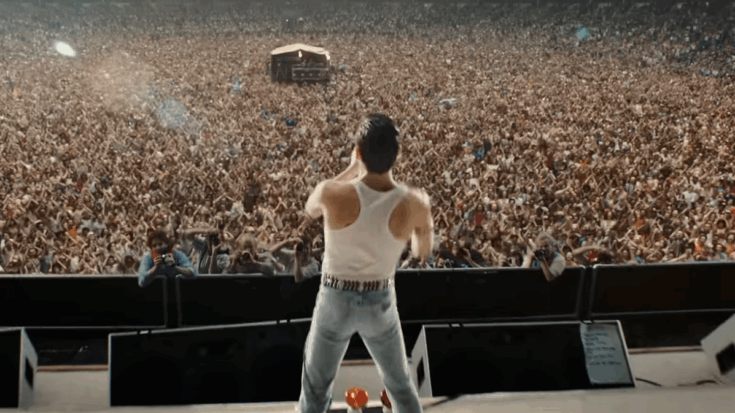
Via 20th Century Studios / Youtube
Timeless As It Is
They grew up on streaming, TikTok, and algorithm-fed playlists. So why are they standing in line at record stores for Led Zeppelin and Fleetwood Mac? The answer says a lot about what modern music is missing.
Walk into any independent record store on a Saturday morning in 2026, and something surprising happens. The people flipping through the classic rock section aren’t graying baby boomers hunting for a replacement copy of their old LP. They’re 19 and 22, wearing thrifted flannels, holding their phones in one hand and a copy of “Rumours” in the other. This isn’t a niche trend; it’s a genuine cultural shift, and it’s worth understanding why.
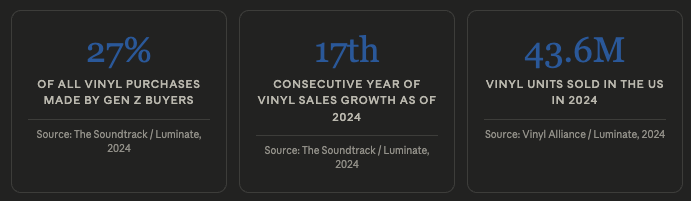
1. The algorithm gave them everything and left them feeling empty
Gen Z is the first generation to grow up entirely inside the streaming era. They have had access to virtually all recorded music since childhood, served to them in frictionless, personalized queues. And somewhere along the way, that frictionlessness started to feel like a problem. When music is always one tap away and costs nothing per listen, it stops feeling like it costs anything at all. Classic rock albums on vinyl require a physical trip to a store, actual money, and the decision to sit down and listen to a full side without skipping. That friction turns out to be a feature. It reintroduces stakes to the act of listening, and Gen Z is hungry for that.
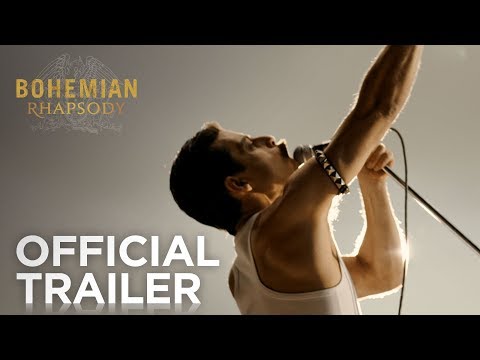
2. Classic rock sounds like it was made by people who needed to make it
There is a quality in the recordings of Zeppelin, Sabbath, The Stones, and Fleetwood Mac that younger listeners are picking up on, even if they can’t always name it. These records were made by bands who had something to prove, something to survive, or something to say that couldn’t wait. The tension between band members on “Rumours” is audible in every track. The hunger in “Led Zeppelin IV” is physical. Gen Z, raised on content that is engineered to be inoffensive and broadly palatable, finds that raw human need genuinely thrilling. It doesn’t sound like a product. It sounds like people.
“It doesn’t sound like a product. It sounds like people, and that distinction turns out to matter enormously to a generation that has spent their whole lives sorting real from manufactured.”

3. Vinyl is a rebellion against the attention economy
Gen Z has grown up as the most surveilled, most monetized generation in history. Their attention has been harvested since they were old enough to hold a screen. Buying a record and listening to it on a turntable is, in a very quiet and deliberate way, an act of refusal. It can’t be tracked the same way a stream can. There are no skip counts, no listener data sent back to a label, and no algorithm adjusting based on their behavior. It is just a person, a record, and a needle. For a generation hyperaware of how their digital behavior is commodified, analog privacy feels radical.
4. TikTok introduced them to the songs; the albums kept them
It would be wrong to ignore TikTok’s role in this. Fleetwood Mac’s “Dreams” had a second cultural life because of a viral video. “Black Dog” and “Bohemian Rhapsody” cycle through the platform constantly, introduced to new ears by creators who had no idea these songs were 50 years old. But what TikTok does is open a door; it doesn’t walk through it. The kids who heard 30 seconds of “Go Your Own Way” over a skateboard clip and then went and bought the actual album are the interesting ones. They used the algorithm as a discovery tool and then stepped outside it. That’s a more sophisticated relationship with music consumption than most observers give them credit for.

5. Owning a physical record means something that a playlist never can
Playlists don’t stack up on a shelf. They don’t have liner notes you can read while the music plays. They don’t get passed down to the next person you care about. A vinyl record is an object with weight and history; it accumulates meaning the way digital files simply cannot. For Gen Z, who grew up in a world where almost everything they owned was intangible and could be revoked by a terms-of-service update, the physicality of a record is genuinely meaningful. Owning a copy of “Dark Side of the Moon” on wax isn’t just about the music. It’s about having a thing that is yours, that no streaming service can remove from your library, that you can hold in your hands and say, ” This is mine. That’s not nostalgia. That’s a completely reasonable response to a lifetime of digital impermanence.

The classic rock revival among Gen Z isn’t about looking backward. It’s about finding something real in a landscape that has traded authenticity for convenience at almost every turn. The kids aren’t confused; they know exactly what they’re doing. And what they’re doing is choosing.