



On This Day in 1988: Alice Cooper Escapes Death When Hanging Stunt Rope Snaps During London Rehearsal
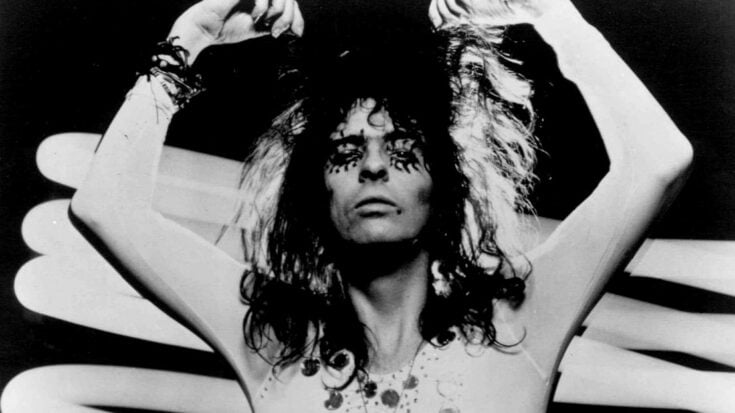
Photo by Associated Booking Corporation, Public domain, via Wikimedia Commons
Stunt Designed to Thrill Fans
Alice Cooper is known for shocking live shows that mix rock music with theatrical effects and staged fake deaths. One of the most famous moments in his show was a hanging stunt. The idea was to have Cooper appear to be executed by hanging at the finale of a concert. The stunt was created with help from magician James Randi and required Cooper to wear a harness hooked to piano wire, which held a noose just above his neck. This effect made it look real while keeping him safe.
On April 7, 1988, during rehearsals at London’s Wembley Stadium ahead of a concert, the routine went wrong. The piano wire that had held him safely snapped. According to Cooper’s later interviews, he heard the rope hit his chin. “That must’ve been a fraction of a second because if it caught my chin it would have been a different result,” Cooper said. The rope passed over his neck and burned him, and he fell to the floor and briefly lost consciousness. Remarkably, he survived.
Quick Reaction Saves Cooper
When the wire broke, Cooper’s team reacted fast. A roadie saw the accident and helped pull him out of danger before more harm could occur. Cooper later explained that he believed the wire would last indefinitely, so he had not thought about regularly replacing it despite doing the stunt many times. The break happened because the metal had reached its stress limit after repeated use.
Although the incident could have turned fatal, Cooper continued with the show after replacing the piano wire with a stronger one. He later said that part of what made his performances exciting was the sense that “what they’re seeing could be the last night of Alice Cooper.” That idea was part of his show’s appeal. Cooper pointed to performers like tightrope walkers and circus acts, where danger is built into the event and the audience knows there is always a slight risk.

More About the Stunt History
Cooper first introduced the hanging effect as part of a series of theatrical stage deaths used in his concerts, which often included electric chairs, swords, guillotines, and other unsettling props. These scenes were part of a broader shock rock style that fused horror imagery with rock performance, designed to surprise and engage audiences. The hanging illusion relied on carefully set up rigging and timing so the noose stopped just above Cooper’s neck.
Despite the 1988 mishap, Cooper continued performing the stunt for many years afterward. He remained active in live music and later projects, including stage roles and work with other musicians. In interviews, he has described the accident as a stark reminder of how close performance art can come to real danger, but also as something that pushed him and his team to improve safety for future shows.