




4 Legendary Frontmen Like Steve Perry Who Chose to Skip a Farewell Tour
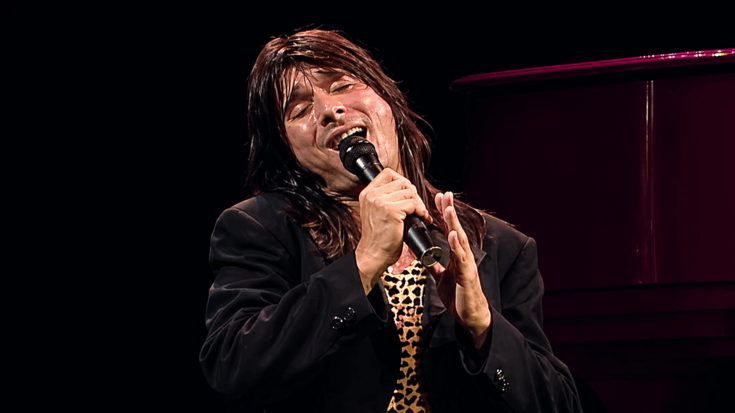
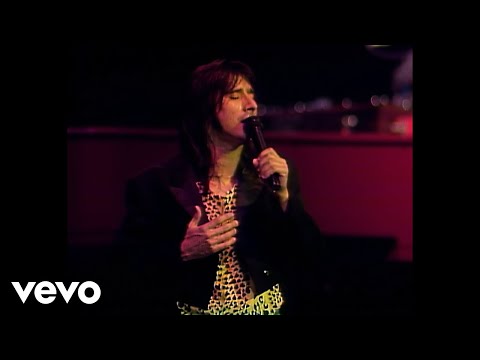
In February 2026, Steve Perry once again closed the door on speculation that he might reunite with Journey for its upcoming farewell tour. With the band preparing to conclude a career spanning more than five decades, fans had hoped Perry—the voice most closely associated with Journey’s stadium-era peak—might make one final appearance. Those hopes briefly intensified after keyboardist Jonathan Cain suggested Perry was welcome at any point on the road. “It’s never too late. We’ve got 100 shows, so he’s welcome at any one of them,” Cain told Ultimate Classic Rock. Days later, Perry personally shut down the rumors, writing on Instagram, “While I’m always grateful for the love people still have for Journey, the rumors about me rejoining the band are simply not true, and I want to gently put them to rest,” adding that he remains focused on making new music that “reflects where I am today.”
Perry’s decision places him among a small but notable group of iconic rock frontmen who have declined reunion or farewell tours, even as the modern live-music economy continues to reward nostalgia with staggering paydays.
Robert Plant (Led Zeppelin)
For nearly half a century, Robert Plant has resisted calls for a full Led Zeppelin reunion. The band ended following the death of drummer John Bonham in 1980, a loss Plant has long said made continuation unthinkable.
Even overwhelming demand—most notably the estimated 20 million ticket requests for the group’s one-off 2007 reunion—has not altered his position. “There’s certain people you don’t do without in life,” Plant said in 1982. “I listen to Zeppelin stuff now and I realize how important John was … you couldn’t have found anybody with the same kind of ingredient to make the band really take off like John did.”
Mark Knopfler (Dire Straits)
As the principal songwriter and guitarist for Dire Straits, Mark Knopfler helped define an era of understated, melodic rock. Dire Straits last performed together in 1992, and despite selling more than 110 million records, Knopfler has shown little interest in revisiting the band.
Speaking to BBC Breakfast in 2024, Knopfler explained that working with a broader range of musicians—and from his own studio—offers a creative freedom he values deeply. “I haven’t had a bad day in there,” he said, underscoring why a reunion tour holds little appeal.
Roger Waters (Pink Floyd)
The absence of Roger Waters from Pink Floyd reunions is rooted in decades-old conflict. Waters left the band in 1985, assuming it would dissolve. When David Gilmour and Nick Mason continued without him, legal battles and personal animosity followed.
Although the classic lineup reunited briefly for charity events in 2005 and 2011, Waters has since made his stance unmistakable. “I’m really glad that I was in that band for the 20 years that I was in it,” he told the BBC in 2011. “But I have no wish to do it ever again.”
Peter Gabriel (Genesis)
When Genesis played its final concert in 2022, Peter Gabriel attended—but only as a member of the audience. Gabriel left Genesis in 1975 and largely declined to participate in later reunions, even as Phil Collins returned for subsequent tours.
Gabriel has often spoken about the value of restraint and absence. “I think you can oversaturate people and they get bored with you,” he told MOJO in 2023. Still, witnessing the band’s final performance carried symbolic weight. “Me going was a rite of passage, really,” he said. “I’d been part of the creation of Genesis so I wanted to be there at the end.”
Together, these artists illustrate a quieter counterpoint to the reunion era. While farewell tours promise spectacle, closure, and enormous revenue, figures like Perry, Plant, Knopfler, Waters, and Gabriel suggest that legacy can also be preserved through refusal. In choosing not to return, they reaffirm that some endings resonate most powerfully when they are allowed to remain final.