

The Concert People Still Talk About 50 Years Later
vai Live Aid and Queen Official / Youtube
The Day Rock Music Stopped the World
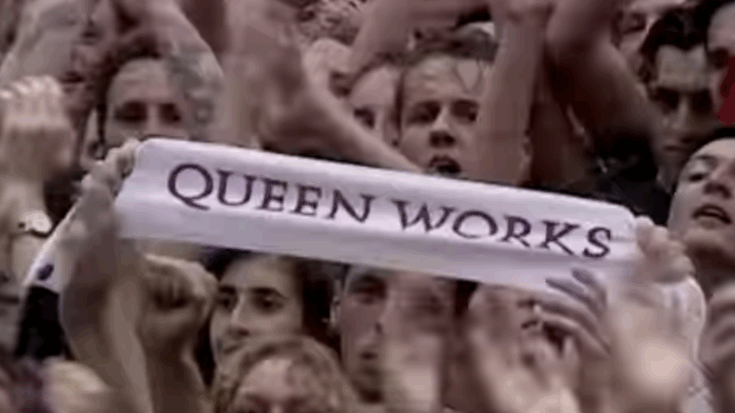
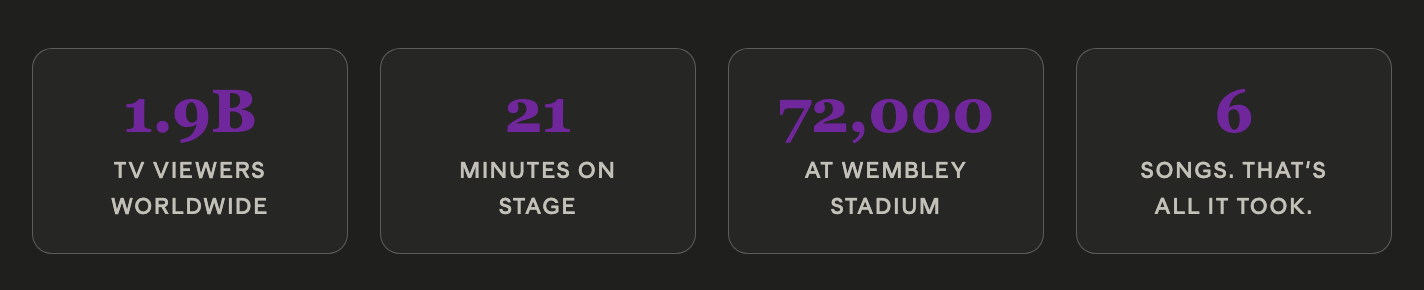
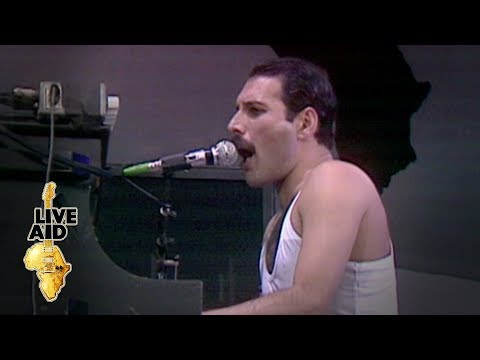
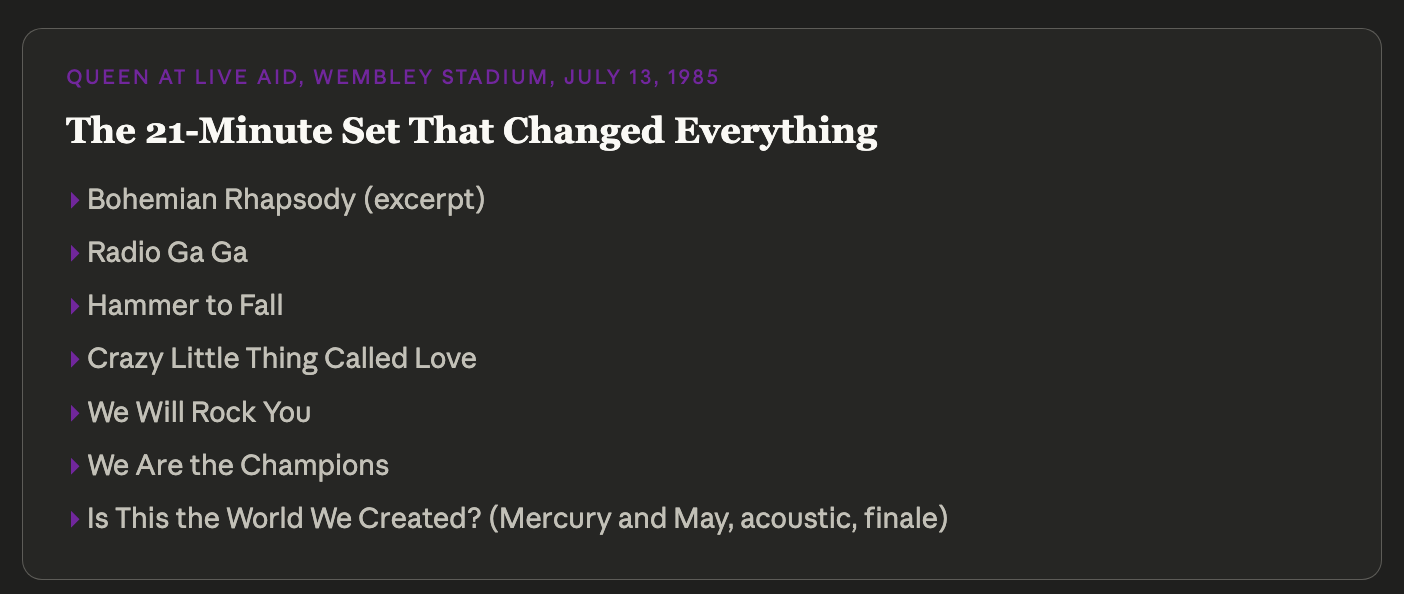
July 13, 1985. Wembley Stadium, London. The sun is still high in the sky at 6:41 in the evening when two comedians dressed as policemen walk to the microphone and introduce “the next combo” as “Her Majesty, Queen.” Seventy-two thousand people already on their feet. Another 1.9 billion watching on television in 150 countries, nearly 40 percent of the world’s population, gathered around screens in living rooms from London to Lagos to Los Angeles. And then Freddie Mercury jogs onto the stage, sits down at the piano, and plays the opening notes of “Bohemian Rhapsody.”
What follows over the next 21 minutes is the most argued-about, most analyzed, most replayed live rock performance in the history of the art form. In 2005, a poll of more than 60 artists, journalists, and music industry executives voted it the single greatest live performance in rock history. Bob Geldof, the man who organized the entire 16-hour global concert, put it simply: “Queen were absolutely the best band of the day. They just went and smashed one hit after another. It was the perfect stage for Freddie: the whole world.”
The Band Nobody Expected to Steal the Show
The remarkable thing about what happened at Wembley that afternoon is that almost nobody saw it coming. By the summer of 1985, Queen were widely considered a band past their peak. Their previous year had been badly damaged by a controversial series of shows in apartheid South Africa, which had earned them significant backlash from the music industry and a ban from Artists United Against Apartheid. Internally, the band was fraying. Freddie Mercury had stepped away to record a solo album, leaving his bandmates wondering whether Queen was finished. Guitarist Brian May later admitted: “Our personal relationships had all suffered. Freddie had stepped so far away, I thought we might not get him back.”
Queen almost declined Geldof’s invitation entirely. They were exhausted from touring all spring. Mercury, who had been left off the earlier Band Aid charity single, half-joked that he was “a bit old” for this kind of thing. They hesitated. They debated. And then they said yes, booked the 400-seat Shaw Theatre near King’s Cross for a week, and rehearsed their truncated five-song set down to the second, every solo timed, every transition locked in. While most of the other artists at Live Aid walked on with loose, spontaneous energy, Queen arrived prepared for the greatest performance of their lives.
“They understood the idea exactly. It was a global jukebox. They just went and smashed one hit after another.”
Bob Geldof, Live Aid organizer
What no amount of rehearsal could manufacture, however, was what Mercury brought to the stage that evening on a purely human level. He jogged out in white jeans and a white tank top, a studded band around his right bicep, and within seconds of the first piano notes he owned the stadium completely. He strutted, preened, fist-pumped, and wielded a cut-off microphone stand like a scepter. During “Radio Ga Ga” he led the entire crowd in a synchronized clap that was visible from the upper tiers as a single, unbroken wave. Then came the moment that has been replayed and analyzed for four decades: Mercury walked to the front of the stage and launched into an a cappella call-and-response with 72,000 strangers, his four-octave voice soaring up and then pulling the entire stadium with him. That single sustained “Aaaaaay-o” became known, in the days and years after, as “The Note Heard Round the World.”
Why It Still Hits Like the First Time
Freddie Mercury died on November 24, 1991, six years after Live Aid. He was 45. He never spoke publicly about his HIV diagnosis until the day before he died. What that means is that the man you watch in that Wembley footage, strutting across a stage the size of a football field, leading nearly two billion people in song, was already carrying something he had told no one. The knowledge of that, added to the performance forty years later, gives every frame of that footage a weight it did not have in real time.
There is also the matter of what the performance saved. Queen came to Live Aid as a band that was quietly falling apart. They left it as the most beloved rock group on the planet. Their Greatest Hits album jumped 55 places back into the UK top 20 the following week. The tours that followed were some of the biggest of their career. The concert did not just make history, it rescued a band that the world nearly lost several years too early.
Every generation of rock fans discovers it fresh. A teenager in 1988 stumbling onto a TV replay. A kid in 2018 watching the Bohemian Rhapsody biopic and then pulling up the real thing on YouTube and finding it even better. The performance does not age because it was never really about the era it happened in. It was about one man, a piano, a microphone, and the sheer audacious belief that he could make 72,000 strangers feel like they were the only person in the room. He was right. He always was.