




1975 Songs That Flopped — but Fans Still Can’t Help Loving

via Graeme ONeil / YouTube
It’s hard to comprehend just how many great musicians were active in 1975. This was a year when famous artists released songs that would eventually become defining works of their careers. “Fame,” which David Bowie co-wrote with John Lennon, became Bowie’s first number-one song in the United States. Fleetwood Mac was in the midst of redefining itself. Bruce Springsteen was on the verge of becoming a major star. The charts were filled with future classics, but here’s the thing: not every outstanding song from that year became a hit.
In reality, several songs now considered timeless barely made an impression or didn’t chart at all. Many fans believe “Born to Run” is Springsteen’s greatest song, yet it failed to reach the Top 20 upon its initial release. That alone shows how difficult it was to sell records and secure radio airplay at the time.
There were plenty of remarkable songs that never reached the top of the charts. Some were too strange for radio. Others were released at the wrong moment. Some simply didn’t align with what DJs were inclined to play. For various reasons, these tracks struggled when they were first released, even though many are widely adored today. These five songs from 1975 failed to succeed as singles, but they’ve grown in stature over time. Four were released in the United States, and one only appeared in the United Kingdom. All of them deserved far more recognition than they received at the time.
Bad Sneakers – Steely Dan
By the mid-1970s, Steely Dan was already regarded as one of the sharpest and smoothest bands around. Walter Becker and Donald Fagen weren’t chasing trends. Instead, they fused rock with jazz and soul, pairing the music with lyrics that felt more like short stories than pop songs. Their records were polished, intelligent, and slightly cynical, which made them stand out.
Earlier tracks like “Reelin’ in the Years” and “Dirty Work” had performed well and helped build a loyal audience. So when “Bad Sneakers” was released in 1975, it seemed like another strong addition to their catalog. The song had a confident groove, a cool attitude, and exceptionally tight musicianship. It moves at a slow but steady pace, with guitars providing just enough bite while the rhythm section keeps everything smooth. The lyrics, full of Steely Dan’s trademark irony, paint vivid pictures of cocktails, stylish clothes, and city life. It’s the kind of song that rewards close listening. Yet when it was released as a single from the album Katy Lied, it failed to chart. No radio breakthrough. No Billboard appearance. Nothing.
Over time, listeners came to appreciate it. Today, Steely Dan fans often cite “Bad Sneakers” as a hidden gem, and it eventually became a staple of the band’s live performances. In hindsight, its failure seems more about timing than quality. Sometimes a song is simply too cool for the moment in which it appears.

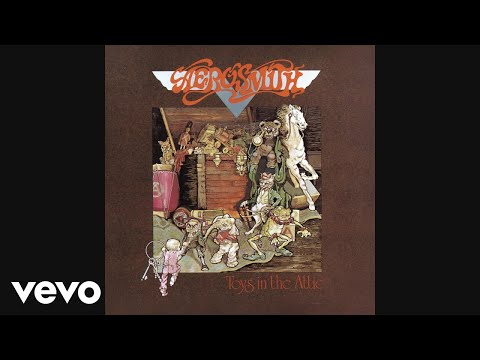
Walk This Way – Aerosmith
This one still surprises people. “Walk This Way” is now one of the most recognizable rock songs of all time. The opening percussion, crunchy guitar riff, and playful lyrics are quintessential Aerosmith. But when it was first released in 1975, it barely registered.
At the time, Aerosmith was still finding its footing. The band spent much of its life on the road while working on Toys in the Attic, the album that would turn them into rock stars. The initial version of “Walk This Way” came together quickly, drawing inspiration from funk rhythms and improvised soundcheck jams. According to the story, the lyrics were written at the last minute after the original draft was lost somewhere between a cab ride and the studio. What could have been a disaster turned into magic. The words were loose, funny, and full of personality. Joe Perry shaped his guitar parts around them, and the chemistry was undeniable. Still, when the song was released as a single in 1975, it failed to make an impact.
Radio stations largely ignored it, and the charts followed suit. The song didn’t truly take off until it was re-released the following year. By 1977, it had cracked the Top 10. Years later, a groundbreaking collaboration with Run-DMC would introduce it to an entirely new audience. It’s remarkable to think that one of rock’s most iconic songs was once a commercial disappointment.
Little Johnny Jewel – Television
Television was never meant to be easy listening. Led by Tom Verlaine, the band helped define the sound of New York’s underground rock scene in the mid-1970s. Their music was sharp, angular, and often challenging. It wasn’t designed to please; it was meant to provoke thought. From the start, it was clear that their debut single, “Little Johnny Jewel,” would not follow conventional paths.
The track opens with a dark, hypnotic bass line before launching into erratic guitar lines and steady, almost mechanical percussion. When Verlaine’s voice finally enters, it sounds distant and strange, yet oddly memorable. The song sounded like nothing else on the radio in 1975, and that was precisely the point.
Reports suggest Verlaine chose it as the band’s first single because of how uninviting it was. Guitarist Richard Lloyd reportedly objected, believing the band was alienating the few listeners it had. Making matters worse, the song ran seven minutes and was split across both sides of a seven-inch single, severely limiting its radio potential.
Unsurprisingly, the single failed to gain traction. It may be harsh to call it a flop since it never received a wide release, but it did little to bring Television mainstream attention. The band remained largely unknown outside select music circles until Marquee Moon arrived in 1977. Even then, success came slowly, and the group disbanded not long after. Still, “Little Johnny Jewel” stands as an early statement of artistic intent. It wasn’t trying to climb the charts. It was trying to sound unlike anything else.

The Carpet Crawlers – Genesis
By the mid-1970s, Genesis was operating at the height of progressive rock’s creative peak. Peter Gabriel’s theatrical storytelling and Phil Collins’ growing influence helped the band craft music that stretched far beyond standard pop forms.
Their 1974 double album The Lamb Lies Down on Broadway was an ambitious rock opera set in a surreal version of New York City. Each song contributed to an overarching narrative, making the album feel like a journey rather than a collection of tracks. “The Carpet Crawlers,” released as a single in the United Kingdom in 1975, appeared in the latter half of the album. The song is haunting and elegant, built on gentle rhythms, tender keyboards, and lyrics that hint at spiritual searching and transformation. Despite its beauty, it failed to chart.
At the time, critics and listeners often dismissed it as too quiet, too strange, or too dependent on the album’s broader storyline. Without the context of the full narrative, it may have seemed understated compared to louder, more immediate radio hits. Over time, however, fans embraced it. Today, “The Carpet Crawlers” is widely regarded as one of Genesis’ most moving and emotionally resonant songs. It captures the band at its most introspective and restrained, proving that music can truly blossom long after its initial release.

Soon – Yes
By 1975, Yes was firmly established as one of the world’s leading progressive rock bands. Their albums were celebrated for technical brilliance, complex arrangements, and moments of soaring beauty. The band was never afraid to take risks, even if it meant challenging listeners.
“The Gates of Delirium,” from the album Relayer, is an epic exploration of chaos and conflict, inspired by themes of war and destruction. Embedded within it is a closing section titled “Soon,” which serves as a gentle, emotional release after the storm.
When “Soon” was released as a single, it was meant to highlight Yes’ softer side. The arrangement is warm and delicate, with flowing keyboards and a vocal performance that quietly soars. It’s reflective, serene, and deeply affecting. Unfortunately, it failed to gain traction on the charts.
Radio programmers may have found it too subdued without the dramatic buildup of the full composition. It lacked the punch of a conventional hit and didn’t fit neatly into pop radio formats. As a result, it passed by with little notice. For longtime fans, however, “Soon” remains one of the band’s most touching moments, a reminder that impact doesn’t always come from volume or spectacle.

When Great Songs Don’t Get Their Chance
The music scene in 1975 was crowded and constantly shifting. Even songs by well-known, talented artists could fall through the cracks if they didn’t align with radio trends or audience expectations. Looking back, it’s clear that chart performance isn’t always the best measure of quality.
These five songs may not have succeeded upon release, but time has been kind to them. Each has found its audience through live performances, reissues, or listeners digging deeper into classic rock history. Sometimes a song simply needs patience. Often, the best music is the kind that waits for listeners to catch up.