




’70s Singers Who Took Brutal Shots at Fellow Rock Stars
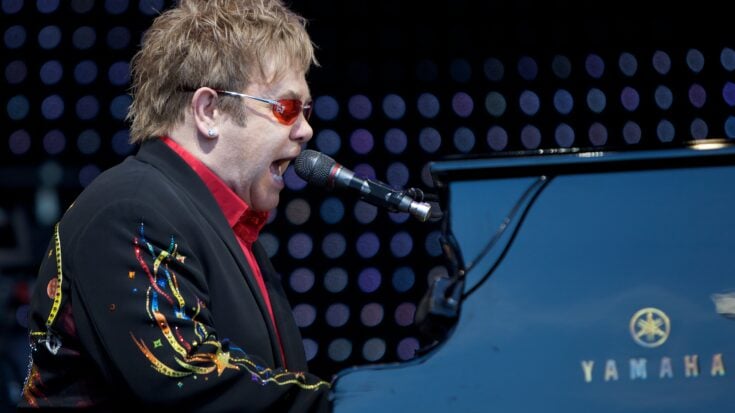
Photo by Ernst Vikne, CC BY-SA 2.0, via Wikimedia Commons
People often talk about music drama these days in terms of social media fights, cryptic lyrics, and not-so-secret diss tracks. It can all feel a bit tiring when pop singers throw shade in album liner notes and rappers feud in public. Some older fans shake their heads and say, “It wasn’t like this back then.” Except—it kind of was.
Musicians were fighting long before Twitter, Instagram, or streaming services. Instead of tweets, they used microphones, interviews, and album covers. The 1970s are often remembered as a golden age of rock music, but they were also filled with egos, grudges, and sharp tongues. These artists were changing music forever, but they were also very human. Fame, pressure, drugs, and artistic differences made it difficult for everyone to get along.
Even The Beatles, who once sang about love and togetherness, couldn’t escape conflict. After their breakup in 1970, the former bandmates criticized one another through songs and interviews. John Lennon and Paul McCartney, once close collaborators, became public adversaries. Other musicians didn’t hold back either, often mocking the Fab Four openly. The 1970s were full of feuds and hurt feelings—some rooted in jealousy, others in creative disagreement, and many fueled by drugs and volatile personalities. Whatever the reason, these artists didn’t mince words. Here are five notable figures from the 1970s who made headlines not only for their music, but also for the cutting remarks they aimed at their peers.
David Bowie — Smart, Brave, and Not Always Nice
In his later years, David Bowie appeared thoughtful, gentle, and almost serene. Interviews from the 1990s and 2000s portrayed a man at peace with himself and his past. He spoke carefully, avoided drama, and reflected deeply on his history. But that wasn’t always how people saw him in the 1970s.
During the height of his fame, Bowie was constantly reinventing himself. Through personas like Ziggy Stardust and the Thin White Duke, he pushed boundaries in music, fashion, and gender expression. That bold creativity, however, often came with a sharp edge. Bowie wasn’t afraid to criticize fellow artists, even if it made others uncomfortable.
One of his most frequent targets was Elton John. Though they moved in similar circles, they never formed the close friendships Bowie shared with artists like Mick Jagger or John Lennon. Instead, Bowie made remarks in interviews that mocked Elton’s appearance and personality—comments that would later be widely condemned as rude and offensive.
Elton John later admitted those words hurt. In his memoir, he wrote that while he admired Bowie’s talent and spent time with him, there always seemed to be an emotional distance between them. He described Bowie as cold and aloof, particularly during periods of heavy drug use, and ultimately blamed cocaine for much of the behavior. Years later, Bowie appeared to have outgrown that phase. His later reflections suggested regret and emotional growth, reminding fans that even musical geniuses can say things they wish they could take back.
Elton John — Kind Heart, Sharp Tongue
Today, Elton John is widely praised for his generosity and compassion. He has helped fellow musicians struggling with addiction, donated millions to charitable causes, and regularly speaks about empathy and kindness. But earlier in his career, he could be just as cutting as anyone else in the rock world.
One of his most notable feuds was with Rolling Stones guitarist Keith Richards. It began in the mid-1970s at a Stones concert, when Elton joined the band onstage to play piano for a song. What should have been a celebratory moment turned awkward when Elton stayed onstage longer than expected, continuing to perform despite the band already having multiple keyboard players.
Elton later admitted he was high and overly confident at the time. The crowd grew restless, and Richards—clearly irritated—made it obvious that he wanted Elton off the stage. The encounter ended badly, and the tension lingered. In later years, Richards made disparaging remarks about Elton, questioning his authenticity and dismissing some of his most successful work. One of his harshest critiques targeted Elton’s rewritten version of “Candle in the Wind,” recorded in tribute to Princess Diana. Richards dismissed it as emotional showmanship rather than a sincere memorial.
Elton didn’t stay silent. By then sober, he fired back with pointed insults about Richards’ appearance and lifestyle, portraying him as immature and trapped in self-destructive habits. Though the feud eventually cooled, it remains one of the clearest examples of how personal and cruel rock star rivalries could become.
Lou Reed — Brutal Honesty, No Filter
Lou Reed never pretended to be easygoing. From his days with The Velvet Underground through his solo career, he was known for his blunt honesty, dark outlook, and often confrontational attitude. Pleasing fellow musicians was never a priority.
Reed had strong opinions about nearly everyone. While he collaborated successfully with artists like David Bowie, John Cale, Metallica, and musicians from later generations, he was just as willing to publicly tear others down. In interviews, he dismissed bands widely regarded as untouchable legends. He considered both The Doors and The Beatles overrated, but reserved his harshest criticism for Frank Zappa.
The two first crossed paths in the 1960s while performing at experimental art events. Though both pushed musical boundaries, Reed felt Zappa embodied everything he disliked. He accused him of lacking true rock instincts and of prioritizing intellectual posturing over emotional substance. Reed’s remarks were blunt, personal, and impossible to ignore.
Interestingly, his attitude softened with time. After Zappa’s death, Reed publicly acknowledged his talent and influence. When inducting Zappa into the Rock and Roll Hall of Fame, Reed delivered a thoughtful and respectful tribute, proving that even long-held grudges can fade with perspective.
Frank Zappa — A Critic of Everyone
Frank Zappa was known for his complex compositions, sharp satire, and relentless criticism of hypocrisy within the music industry. Unlike many of his peers, he remained drug-free throughout his life, which only sharpened his disdain for the excesses of rock culture.
Zappa didn’t just criticize individuals—he challenged entire movements. He was openly dismissive of The Beatles, particularly at the height of their popularity. While the world saw them as cultural revolutionaries, Zappa viewed them as savvy marketers skilled at selling an image. His band, The Mothers of Invention, famously parodied the Beatles’ psychedelic era on one of their album covers. Zappa later explained that the parody wasn’t meant to insult, but to challenge the idea that the Beatles were beyond criticism. To him, they were talented entertainers, not untouchable icons.
He was similarly critical of bands like The Doors, who he felt relied more on mystique than musical skill. Ultimately, though, Zappa’s biggest issue wasn’t with artists—it was with the industry itself. He believed record labels manipulated audiences, promoted shallow trends, and prioritized profit over creativity. Despite backlash, Zappa never softened his views, valuing honesty and discipline above popularity.
Roger Waters — Great Music, Broken Relationships
Roger Waters was the driving force behind some of Pink Floyd’s most ambitious and influential work. Albums like The Dark Side of the Moon and The Wall helped define progressive rock. Behind the scenes, however, Waters’ forceful personality strained relationships within the band.
By the late 1970s and early 1980s, tensions among Pink Floyd members had escalated. As Waters gained greater creative control, his relationships with the others deteriorated. In 1985, he left the band under hostile circumstances, leading to lawsuits, public disputes, and years of bitterness.
Waters’ confrontational streak didn’t end there. Over the years, he openly criticized other artists, questioning Paul McCartney’s brief involvement with Pink Floyd during Dark Side of the Moon and downplaying John Lennon’s legacy by suggesting fame overshadowed his genuine musical contributions. More recently, Waters drew backlash after making disparaging remarks about Ozzy Osbourne shortly after the Black Sabbath singer died in 2025. Speaking on a podcast, Waters mocked heavy metal’s theatricality and minimized Osbourne’s influence, shocking fans with both the timing and tone of his comments.
True to form, Waters refused to apologize. Supporters admire his uncompromising honesty, while critics see it as unnecessarily cruel.
The Rivalry Soundtrack
The 1970s gave the world incredible music, but it also revealed the emotional cost of creativity. These artists weren’t saints—they were people grappling with fame, pressure, insecurity, and ambition. Their feuds and insults remind us that great art doesn’t always come from harmony.
In many cases, time healed old wounds. Some musicians eventually found mutual respect, while others never did. What’s clear is that musical rivalries are nothing new. Today’s pop and rap feuds are simply the latest chapter in a tradition that’s been unfolding for decades.
Behind every great album lies a human story—sometimes inspiring, sometimes uncomfortable, and often messy. And honestly, that messiness is part of what makes music history so fascinating.