




The Band That Said No to Jimi Hendrix—and Spent Years Regretting It
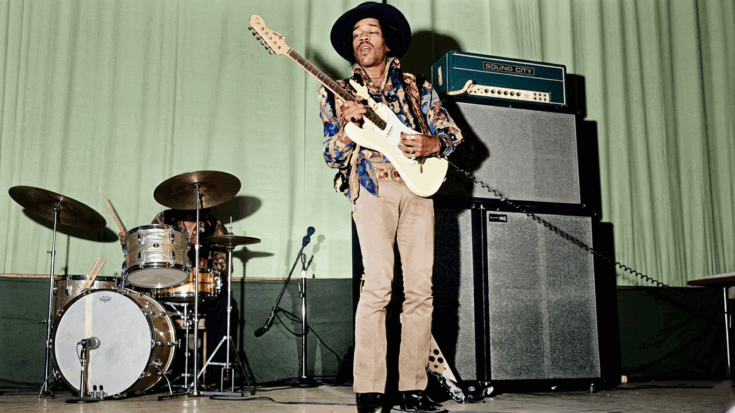
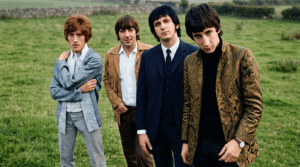
Photo by See page for author, CC0, via Wikimedia Commons (Image colorized and enhanced)
When an Unknown Guitarist Was Turned Away
The first time Jimi Hendrix appeared on stage, the reaction around him was confusion mixed with disbelief. His guitar work didn’t fit into what rock audiences expected in the late 1960s. Even experienced musicians struggled to process what they were hearing. The sound felt unfamiliar, almost unreal, and it challenged the standard approach to electric guitar playing at the time.
In those years, most rock bands followed established blues patterns or early rock structures. Hendrix stepped outside that frame completely. His use of distortion, feedback, and controlled chaos made his performances stand apart. Some listeners were excited by it, while others didn’t know how to respond. Even among touring bands he encountered, not everyone welcomed what he brought to the stage.
A Region That Quietly Shaped a Different Sound
Long before Seattle became known for a major rock movement in the 1990s, the Pacific Northwest had already been producing artists with a raw and unusual edge. The area didn’t have a strong, organized music industry at the time, but it still generated acts that later influenced alternative and punk directions.
One of the most notable early groups was The Sonics. Their aggressive style and stripped-down approach carried a rough energy that stood apart from mainstream rock. Songs like “The Witch” showed a heavier, more direct sound that would later echo in punk and grunge styles. While not widely commercial at the time, their influence grew in hindsight.
Hendrix himself had already spent time performing in the United Kingdom by then, where he found an audience more open to experimentation. Back in the U.S., especially in smaller regional scenes, reactions were often mixed. Even when musicians crossed paths with him, they didn’t always recognize the direction he was taking guitar music.
A Missed Moment in a Small Venue
Before his rise to global fame, Hendrix had already built experience as a backing guitarist, including work with Little Richard. Even then, he stood out for his stage style, which sometimes drew criticism for being too expressive for supporting roles.
Members of The Sonics once recalled a moment when a young guitarist asked to join them on stage at the Spanish Castle venue. The request was politely turned down, as the group didn’t recognize him. Only afterward did they learn it was Hendrix. Their frontman later admitted they assumed he was just another hopeful musician trying to impress a local crowd.
That moment stuck in memory because it reflected how unrecognized he still was at the time. Opportunities like that were common in small venues, where musicians often crossed paths without knowing each other’s future impact.

When Guitar Legends Collided on Stage
As Hendrix’s reputation grew, so did stories of how quickly he could outplay established performers. One well-known example involved Eric Clapton and Cream, where Hendrix’s appearance on stage reportedly shifted the entire mood of the performance. Even respected guitarists found themselves overshadowed when he joined in.
These encounters helped shape his reputation as a musician who could disrupt expectations in real time. His presence often turned familiar songs into something unpredictable, forcing other artists to adjust on the spot.
Looking back, The Sonics’ decision to turn down that early request is remembered as a small but notable moment in rock history. It didn’t change Hendrix’s path, but it became part of a larger story about how quickly music was evolving during that era.