How a 1970 Classic Rock Hit Became a Defining Song for The Who
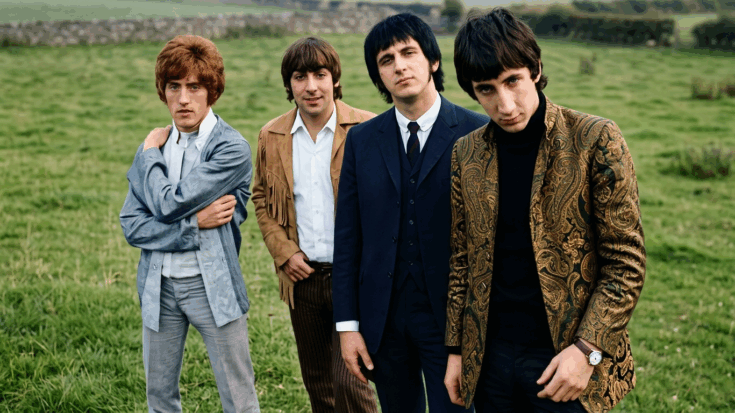
Photo by Unknown authorUnknown authorThis is a retouched picture, which means that it has been digitally altered from its original version. Modifications made by Dcameron814., Public domain, via Wikimedia Commons (Image colorized and enhanced)
When a Rock Opera Ending Became a Chart Hit That Refused to Fade
Few rock songs built from an album finale ever escaped their original context, but The Who managed exactly that in 1970. A section pulled from their rock opera Tommy ended up taking on a life of its own once radio stations and fans latched onto it outside the record’s story structure.
The piece known as “See Me, Feel Me/Listening to You” comes from the closing moments of “We’re Not Gonna Take It,” the final track on the 1969 Tommy album. What was originally designed as part of a continuous narrative soon became one of the band’s most recognizable standalone works after it was released as a single following unexpected audience demand.
From Festival Stage Energy to Radio Charts
A turning point arrived at the Woodstock Art and Music Festival in August 1969. The Who’s performance of “See Me, Feel Me,” led by Roger Daltrey, stood out for its intensity and emotional weight. The reaction from the crowd was strong enough that industry figures reconsidered how the song could be released.
Instead of leaving it as an album-only moment, producers issued the ending section of “We’re Not Gonna Take It” as a separate single. The decision paid off. In 1970, the track reached No. 12 on the Billboard Hot 100 and remained on the chart for 13 weeks. Even decades later, it still ranks as the band’s second-highest charting single.
Music critics later highlighted the track’s final passage, especially its rising refrain “Listening to You,” often describing it as a defining close to live Who performances. The performance style, anchored by Daltrey’s powerful delivery, became a reference point for the group’s stage identity during that era.
The Album Context That Shifted in Public Memory
On the Tommy album, the segment was never meant to stand alone. It exists as part of a larger closing sequence where “See Me, Feel Me” and “Listening to You” function as emotional climaxes within “We’re Not Gonna Take It.” In album form, it is one continuous piece rather than a single track.
After Woodstock exposure, however, listeners began separating it from the narrative. The shift turned a story-driven ending into a widely recognized anthem. Over time, it became one of the most frequently revisited moments from the album, with listeners often discovering it outside its original structure.
Listener Response Across Generations
Fan reactions have played a large role in keeping the track alive in public memory. Many describe it as one of the most emotionally charged pieces in rock history. Comments often point to its final section as especially powerful, with listeners noting how its message feels personal even outside the album’s storyline.
Some fans have written that the music feels like a form of prayer, pointing to lyrics such as “See me, feel me, touch me, heal me” as central to its emotional pull. Others describe returning to it decades later and finding it still resonates, with repeated listening deepening its effect rather than reducing it.

Roger Daltrey’s View on Its Meaning
Roger Daltrey, who portrayed the central character in Tommy, later reflected on how the project shaped his identity as a performer. He described the role as something that helped him find clarity in his work, saying it gave him direction and confidence at a time when he felt uncertain about his place as a singer.
In later interviews, he also explained why the song continues to connect with audiences. He pointed out that vulnerability lies at its core, suggesting that even the strongest people experience moments of emotional openness.