




Bob Dylan’s Protest Song, More Than Six Decades On, Still Carries a Controversial Legacy

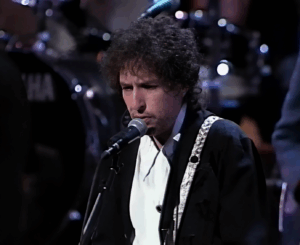
Photo by See page for author, Public domain, via Wikimedia Commons (Enhanced and colorized)
When a Protest Song Turned a Real Murder Case Into Public Debate
Released in 1964, it focuses on the 1963 death of Hattie Carroll, a 51-year-old Black bartender killed after being struck during a social event in Baltimore. The case involved William Zantzinger, a young white man from a wealthy Maryland family, whose actions led to her collapse and later death from a brain hemorrhage.
The song does more than recount events. It also places strong attention on the social divide between the two individuals involved, highlighting differences in class, race, and power that shaped public reaction to the case.
A Newspaper Story That Became a Song
Dylan came across the case in a newspaper report in August 1963. The article appeared alongside major civil rights coverage, including a speech by Martin Luther King Jr.. The placement of Carroll’s story in a less prominent section of the paper reportedly influenced how Dylan viewed its importance, leading him to write and record the song later that year.
Recording took place in late 1963, and the track was later included on The Times They Are a-Changin’. The lyrics follow the sequence of events closely, but the focus extends beyond the incident itself, pointing toward broader patterns of inequality in the justice system.
Accuracy, Art, and Public Pushback
While the song is rooted in real events, Dylan altered several details. Names were slightly changed, some facts were adjusted, and the legal outcome was described in a more severe way than the actual conviction. William Zantzinger was convicted of manslaughter, not first-degree murder, and some personal details about Carroll were also modified for lyrical structure.
These changes led to criticism from some observers who felt the song blurred fact and interpretation. Zantzinger himself later reacted strongly when discussing the track, rejecting its portrayal and expressing anger over how he was represented in popular culture.

Another Real Case Revisited Years Later
Dylan returned to similar subject matter in 1975 with “Hurricane,” centered on boxer Rubin Carter. Carter had been convicted in 1967 alongside John Artis for a triple murder in New Jersey. The case drew widespread attention due to claims of racial bias and doubts about the evidence used in court.
After reading Carter’s autobiography, Dylan wrote the song to highlight concerns about the trial and sentencing. Like the earlier track, it transformed a legal case into a public story, drawing attention far beyond courtroom records and into mainstream discussion.