




’70s Rock Songs That Hid Shockingly Dark Meanings

Photo by SolarScott, cropped CC BY 2.0, via Wikimedia Commons
Music from the 1970s has a way of lingering. Those songs are still played on radio stations, in movies, and on playlists around the world. Many fans know the lyrics by heart and sing along without even thinking. The music feels familiar, comforting, and almost timeless—but that familiarity can be misleading.
When people listen to these songs today, they often focus on the catchy melodies, soaring choruses, and iconic guitar solos. Over time, the true meaning of the lyrics can fade into the background. Many of these beloved tracks carry messages that are far deeper and darker than they initially appear, even when they sound joyful or inviting.
When a song has been around for decades, it’s easy to stop questioning its words. The lyrics blend into the music, and listeners stop paying close attention. But if you slow down and really listen, many of these songs reveal stories of addiction, disappointment, exploitation, and deep emotional pain. Numerous rock songs from the 1970s fit this description, though some conceal their darker themes better than others. On the surface, they may sound smooth, energetic, or even uplifting. Beneath that surface, however, lie far more complex meanings. These famous rock songs from the 1970s hide somber messages behind their irresistible melodies.
Hotel California – Eagles
“Hotel California” is instantly recognizable. The opening guitar notes capture attention immediately, and the chorus seems tailor-made for group sing-alongs. On the surface, it plays like a surreal road-trip story set in a warm, glamorous place. But once you pay attention to the lyrics, something unsettling begins to emerge.
The song follows a traveler who stumbles upon an elegant hotel filled with beautiful people, enticing sights, and endless pleasure. At first, everything feels inviting and magical. As the story unfolds, however, the mood shifts. The traveler realizes that while entering the hotel is easy, leaving it is not.
Over the years, listeners have offered countless interpretations of the hotel itself. Some see it as a symbol of the collapse of 1960s idealism. Others view it as a warning about fame, excess, and addiction—particularly within the California music scene of the 1970s. Some even interpret it as a metaphorical version of hell disguised as paradise. The band intentionally left the song open to interpretation, which is part of its power. The lyrics are meant to feel unresolved and slightly unsettling. At its core, the song explores the darker side of pursuing pleasure and success, showing how people can become trapped by their desires without realizing it.
What makes “Hotel California” especially effective is that it never sounds threatening. The relaxed rhythm and smooth harmonies create a comforting atmosphere, which makes the underlying message even more disturbing once it becomes clear.
Born to Run – Bruce Springsteen
“Born to Run” is often viewed as the ultimate anthem of freedom. It’s filled with vivid images of fast cars, open highways, and youthful rebellion. For many fans, it represents hope, escape, and the thrill of leaving everything behind. But a closer look reveals a far darker story.
The characters in “Born to Run” aren’t racing toward a dream—they’re fleeing a nightmare. Their hometown feels like a trap that drains the life out of its residents. The cars they drive aren’t symbols of joy but risky, almost self-destructive vehicles. There’s a constant sense of urgency in the lyrics, as if time is running out. Standing still feels like a slow death, yet escape offers no guarantee of happiness. The road is filled with people who once had dreams and lost them.
The song’s emotional power comes from its honesty. The narrator admits that sadness may be unavoidable, regardless of the path he chooses. That acknowledgment strips away the fantasy of endless freedom and replaces it with something far more real. This despair becomes even clearer in stripped-down, acoustic versions of the song, where the lyrics feel exposed and vulnerable. “Born to Run” isn’t just about escape—it’s about fear, frustration, and the painful realization that life rarely provides easy exits.

Tangled Up in Blue – Bob Dylan
Bob Dylan has always been drawn to complex storytelling, and “Tangled Up in Blue” is a prime example. The song shifts through time and perspective, never settling into a single, clear narrative. At its heart, it’s a meditation on heartbreak. The word “blue” suggests sadness and emotional weight, and the lyrics reflect fragments of a broken relationship—moments of love, confusion, distance, and regret. Each verse feels like a memory pulled from a different point in time, emphasizing how the past rarely unfolds in a neat, linear way.
Dylan wrote the song during a period of major personal change, and many listeners interpret it as the unraveling of a relationship. Rather than telling the story directly, he allows it to surface gradually, mirroring the way emotional pain is often processed.
The title may also carry another meaning. Some believe “blue” references the influence of another artist’s work on Dylan during that era. In that sense, the song becomes both deeply personal and a subtle reflection on artistic inspiration. What makes “Tangled Up in Blue” so haunting is its realism. Anyone who has looked back on a relationship and felt overwhelmed by conflicting memories can relate. The song doesn’t shout its pain—it quietly lets it linger.

Welcome to the Machine – Pink Floyd
Pink Floyd’s Wish You Were Here is rich with symbolism, and “Welcome to the Machine” stands as one of its bleakest moments. The song avoids catchy hooks or uplifting melodies. Instead, it creates a cold, mechanical atmosphere that feels uncomfortable from the very beginning. The “machine” is often interpreted as the music industry itself—a massive system that lures young artists in with promises of success while stripping away their individuality. Dreams are carefully shaped, packaged, and sold back to the people who once believed in them.
The lyrics describe a world where expectations replace creativity. Artists are told what to want, how to behave, and what to become. Fame becomes another product rolling off an assembly line. While the song is rooted in real experiences within the music business, its message reaches far beyond that context. The machine can represent any system that consumes people, corporate culture, social pressure, or society at large.
What makes the song especially chilling is its lack of anger. The tone feels resigned, as though the damage has already been done. The machine doesn’t need to shout or threaten. It simply continues operating, indifferent to the harm it causes.

Brown Sugar – The Rolling Stones
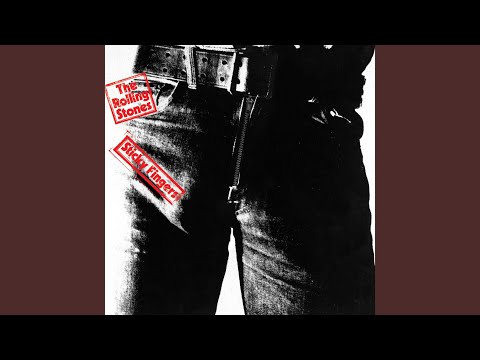
“Brown Sugar” is loud, fast, and immediately recognizable. It opens Sticky Fingers with swagger and confidence, driven by a sharp guitar riff and relentless energy. For years, many listeners treated it as just another high-octane rock song. The lyrics tell a far more troubling story.
The imagery in the song references some of the darkest chapters in American history, including slavery, exploitation, and violence. The upbeat delivery clashes sharply with the disturbing subject matter, making the song deeply uncomfortable once its meaning becomes clear. Beneath that, another layer exists. The title and certain lines can also be interpreted as references to heroin addiction. This dual meaning creates a troubling blend of historical trauma and personal excess.
Over time, criticism of the song grew louder. What once went largely unnoticed became impossible to ignore. Eventually, the band chose to stop performing it live, acknowledging that its themes no longer fit a celebratory atmosphere.
The song remains a powerful reminder that infectious music can sometimes disguise disturbing ideas. Its legacy is complicated, forcing listeners to confront how easily dark subject matter can be hidden behind an energetic melody.
Why These Songs Are Still Important
What unites all of these songs isn’t just their popularity, but how effectively they conceal their deeper meanings. The melodies draw listeners in, while the lyrics quietly explore loss, disappointment, control, and pain.
These songs endure because they operate on multiple levels. What you hear can change depending on your age, experience, and emotional state. A teenager might hear excitement and freedom, while an adult might hear regret and warning. That depth is what made 1970s rock so powerful. Artists weren’t afraid to confront uncomfortable truths, even when those truths were wrapped in beautiful music. They trusted that listeners would uncover the meaning—whether immediately or years later.
Revisiting these songs with fresh ears can be eye-opening. Their darkness doesn’t diminish their brilliance; it enhances it. They remind us that great music doesn’t just entertain—it reveals truths we didn’t realize we were singing along to. And that’s why these songs continue to resonate long after the final note fades.