




5 1980s Rock Bands That Nearly Vanished — And Some Say Should Have Stayed Gone

The 1980s produced some of the most memorable rock and pop acts in music history. While many bands thrived during the decade, a number of them disappeared quickly or struggled to maintain relevance after their peak. Some of these groups tried to return to the spotlight later, but fans and critics argue that their legacies might have been better preserved by staying inactive. Here are five 1980s bands that nearly vanished and the debates surrounding their attempts at revival.
Roxette
Roxette, the Swedish pop-rock duo, became an international sensation in the late 1980s with songs like “It Must Have Been Love” and “Listen to Your Heart.” Their polished sound and catchy melodies made them a staple on radio and MTV. Marie Fredriksson’s voice was central to their identity, giving the band a distinctive charm that defined their era.
The band effectively ceased activity following Fredriksson’s death in 2019. Some fans and critics argue that continuing under the Roxette name without her diminishes the impact of their music. They feel that the band’s legacy should rest on its original lineup and achievements, rather than attempting reunions or tribute performances that cannot capture the chemistry that made Roxette famous.

Autograph
Autograph gained recognition with their 1984 hit “Turn Up the Radio,” which became an anthem of the glam metal scene. Known for their melodic guitar work and MTV presence, they enjoyed mainstream success throughout the mid-1980s.
After the decade ended, Autograph largely faded from public attention. Although they have reunited in various forms to play nostalgia shows, critics argue that the band’s career was defined by a single hit. Returning to the stage may dilute the power of that success, with some suggesting it would have been better to let that moment remain iconic rather than attempting to extend it.

Frankie Goes to Hollywood
This British band achieved rapid fame with hits such as “Two Tribes” and “Relax.” Their theatrical style and bold image made them impossible to ignore during the mid-1980s.
Despite massive popularity, Frankie Goes to Hollywood vanished soon after their initial success. Some observers argue that the band’s short-lived prominence added to its mystique, and any attempts to reunite risk reducing the impact of their cultural presence. Their disappearance is seen as a natural end that preserves their unique place in 1980s music history.
Animotion
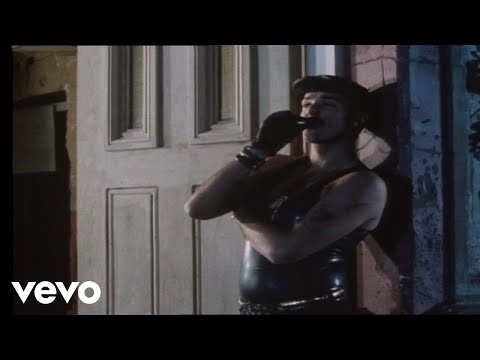
Animotion is best remembered for their 1985 synth-pop hit “Obsession,” which received extensive radio play and global recognition. Their sound reflected the era’s fascination with electronic production.
The band struggled to achieve further commercial success and gradually faded from the spotlight. While Animotion still performs on nostalgia circuits, critics suggest that bands built largely on one or two hits rarely translate well for modern audiences. They argue that continued performances may not add meaningful value to the band’s original work.
Ratt
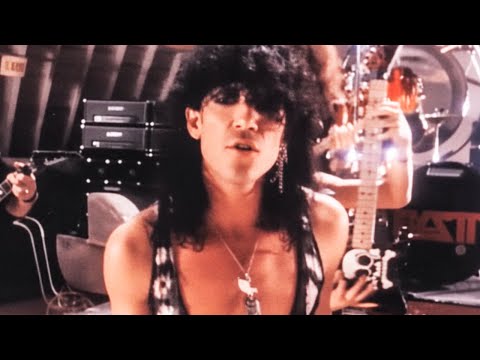
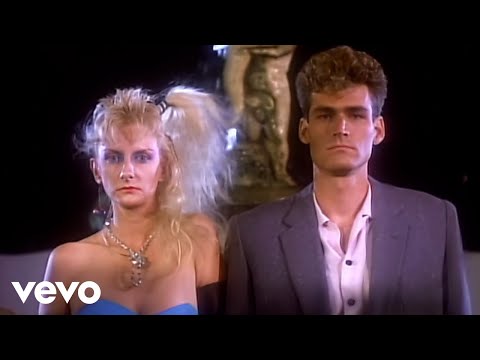
Ratt emerged from Los Angeles’ Sunset Strip scene, selling over 15 million albums with tracks like “Round and Round.” Their hard rock style and image defined much of 1980s metal culture.
The rise of grunge in the early 1990s ended Ratt’s mainstream momentum. The band faced decades of internal conflicts, lineup changes, and legal battles over the name. Many fans feel that repeated, dysfunctional reunions have tarnished the early achievements of the band, and that Ratt’s strongest legacy remains in their original era.