




Six Decades Later, This Rock Anthem Still Tops All-Time Lists
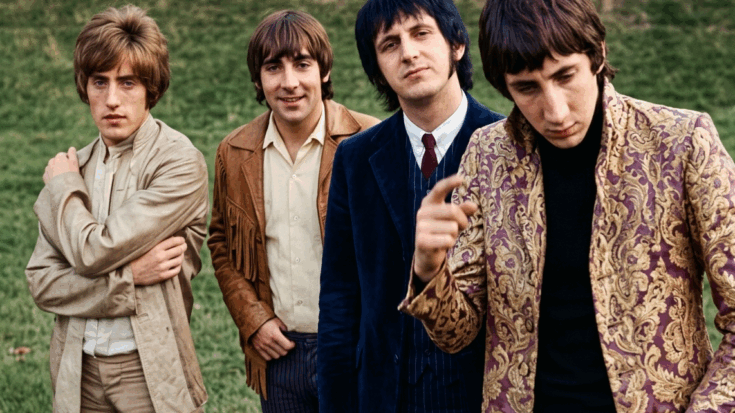
In 1965, as popular music was still finding its modern identity, The Who released a song that would come to define a restless era. My Generation did more than introduce a new band to a wider audience; it captured a mood that many young listeners had not yet heard reflected so directly in music. Decades later, the track continues to appear in conversations about rock’s most important recordings.
A Break from Convention
When “My Generation” reached listeners, it stood apart from many of its contemporaries. The track’s heavy use of distortion and driving rhythm created a more forceful sound than what typically played on radio stations. Its structure also broke expectations, most notably through a bass solo that helped redefine how instruments could be used in rock music.
The song was written by Pete Townshend and performed by Roger Daltrey, whose delivery gave the lyrics a distinct urgency. The line “Hope I die before I get old” became one of the most discussed phrases in rock, reflecting a refusal to accept limits set by older generations. Daltrey’s stuttered phrasing added tension, making the performance feel unsettled and direct.
Speaking for a New Audience
Beyond its musical qualities, the track resonated because it addressed a growing divide between young people and established norms. It voiced concerns about identity, freedom, and recognition at a time when youth culture was beginning to assert itself more strongly in public life.
Listeners connected with its straightforward message, which did not rely on complex imagery but instead focused on clear emotion. The result was a song that felt both personal and widely shared, allowing it to act as a voice for a broader group of people experiencing similar frustrations.
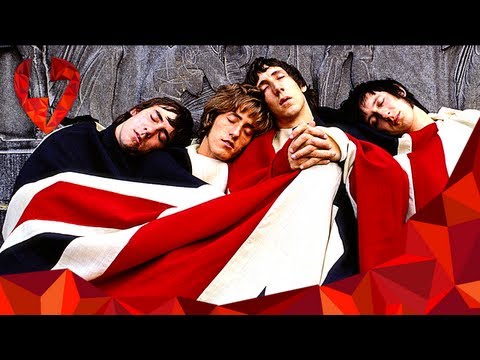
A Song That Continues to Echo
Over the years, “My Generation” has appeared in films, television programs, and advertising, extending its reach beyond its original audience. Its influence can be heard in later movements such as punk and alternative rock, where similar themes of resistance and individuality became central.
For many, the track remains an entry point into The Who’s catalog, while also standing on its own as a defining moment in rock history. Its sound and message continue to resonate, showing how a song from the mid-1960s can still feel relevant in a very different musical landscape today.