The One Song That Connects Two Iconic Bands
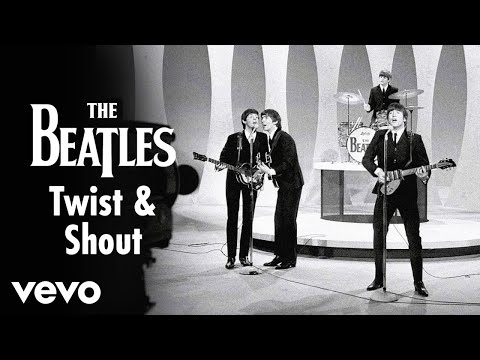
via "The Beatles" / Youtube
The entire purpose of The Traveling Wilburys was simple: gather five of the most iconic figures in rock history and let them enjoy themselves. There were no expectations to meet, no reputations to defend—just a group of friends making music on their own terms. By adopting pseudonyms and downplaying their identities, the band sidestepped the weight of their past successes. Still, for George Harrison, the legacy of The Beatles was never something that could fully fade into the background.
A Return to Band Brotherhood
For Harrison, the Wilburys offered something he had long been missing: the camaraderie of a true band. The breakup of The Beatles—and particularly his fallout with Paul McCartney—had left a lasting impact. While his solo career flourished, it never quite replaced the shared creative energy he once knew.
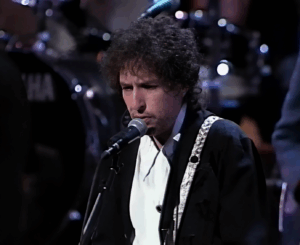
Working alongside Bob Dylan and Tom Petty reignited that spark. The Wilburys became a space where ideas flowed freely, egos were checked at the door, and collaboration felt effortless. It was, in many ways, the ideal band Harrison had always wanted—one built on mutual respect and genuine friendship rather than pressure or competition.
Personas and the Freedom of Reinvention
Part of what made the Wilburys so distinctive was their embrace of alter egos. By stepping outside their established identities, the members freed themselves from the expectations tied to their legendary careers. The concept echoed earlier rock experimentation, including the spirit behind Sgt. Pepper’s Lonely Hearts Club Band, though Harrison had once been skeptical of such approaches during his deep dive into Indian music.
Now, however, he welcomed the looseness it allowed. The band’s sessions often felt more like informal gatherings than formal recordings. That atmosphere carried over into their choice of material, including their rendition of “Nobody’s Child,” recorded at the request of Olivia Harrison for charity. As one might expect from a group of this caliber, the decision to record the song was described as “almost a no-brainer.”
Echoes of the Beatles in a New Era
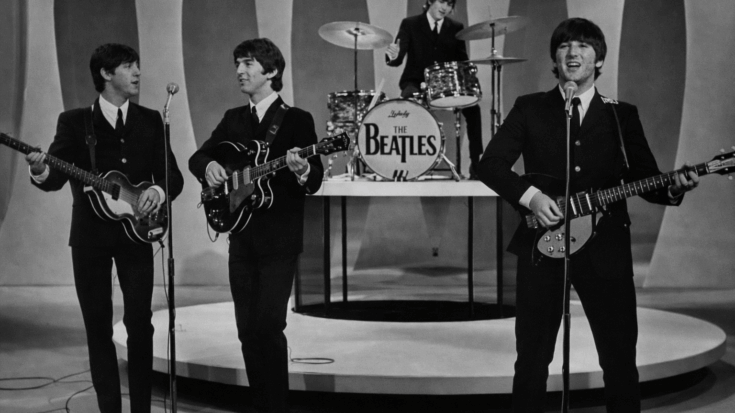
Though the Wilburys represented a fresh chapter, their roots stretched deep into rock history. “Nobody’s Child” had long been part of that lineage. Ringo Starr had sung it in his youth, and Harrison himself had performed it with John Lennon and McCartney during their early days backing Tony Sheridan.
The contrast between those early recordings and the Wilburys’ version was striking. Where the young Beatles had still been finding their footing in the studio, the Wilburys approached the track with confidence and ease. Their interpretation felt fuller, more assured—a reflection of decades of experience.
Even so, Harrison never fully distanced himself from his past. He had once floated the idea of bringing Dylan into The Beatles’ Get Back project, hinting at the collaborations that would later define the Wilburys. According to Petty, Harrison even believed that Lennon would have joined the group had circumstances allowed.
In the end, the Wilburys were not an escape from history but an extension of it. Harrison may have found a new creative home, but the echoes of where he came from were always present—woven into every note, every collaboration, and every song.